
Best Boat Insurance for Florida Boat Owners
A good day on the water can turn expensive fast when a lower unit meets an unmarked obstruction, a storm
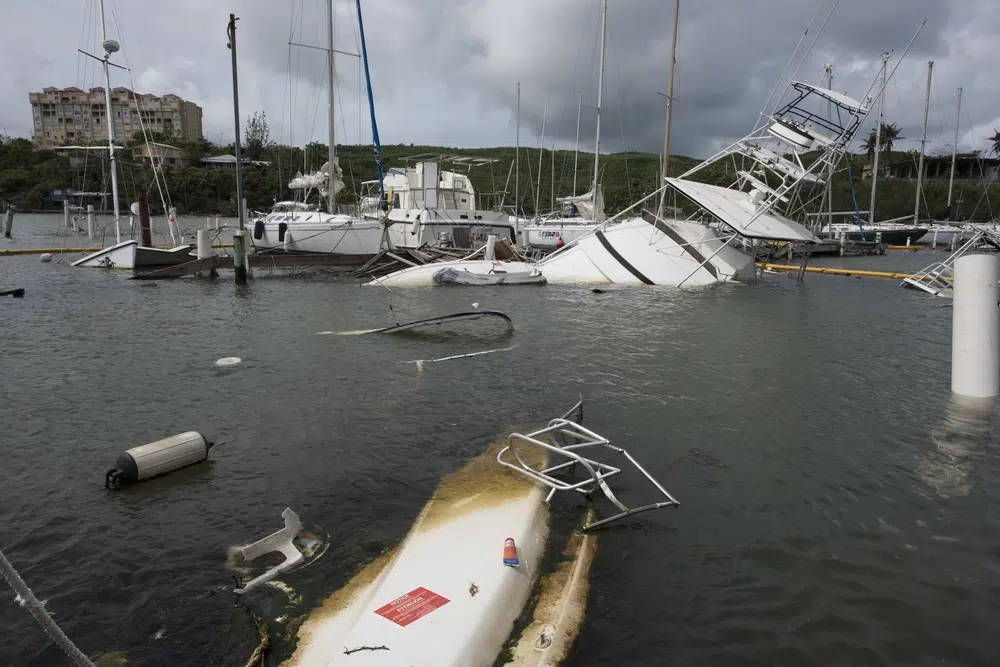
Ah, yes, boat insurance, the bane of boating existence. But the question remains. Is it worth it? Ask any boat owner whose boat is sitting on the ocean floor and can’t afford to salvage it, and they will say yes. Conversely, many people do not know that in the State of Florida, boat insurance is actually not required. Though not having it is like driving without a spare tire. (shot out to JB) When you need it, it won’t be there. When it comes to insurance, a low premium can look great right up until you file a claim after a grounding, a lightning strike, or a stolen outboard. That is why knowing how to compare boat insurance matters. You are not just shopping for a price. You are sizing up how well a policy will protect your boat, gear, liability, and time off the water.
For most boat owners, the hard part is not finding quotes. It is figuring out whether two policies that seem similar are actually very different where it counts. One may include agreed value coverage, fuel spill liability, and towing. Another may be cheaper because it strips those out or caps them so low they barely help. The fine print is where good comparisons happen.
Start by comparing policies for the same boat, operator history, navigation area, and storage setup. If one quote assumes inland freshwater use and another assumes year-round coastal use in Florida, the numbers are not really comparable. The same goes for hurricane haul-out options, named operators, and whether the boat is trailer-kept, lift-kept, or left in a marina.
It also helps to decide what kind of protection you actually want before you request quotes. Some owners only want to satisfy marina or lender requirements. Others want stronger protection because they fish offshore, run in shallow coastal water, or carry expensive electronics and gear. If you do not know your own baseline, it is easy to be swayed by a low number that leaves gaps.
One of the biggest differences between policies is how the boat itself is valued after a total loss. Agreed value means the insurer pays the amount listed in the policy, subject to the policy terms. Actual cash value factors in depreciation, which can leave you with a much smaller payout than expected.
This is where cheaper coverage can get expensive later. A newer center console, bay boat, or offshore fishing rig with upgraded electronics may be a better fit for agreed-value coverage. An older boat with a modest market value may push some owners toward actual cash value to save money. Neither is automatically right or wrong. It depends on the boat, the budget, and how much financial risk you are willing to carry yourself.
Liability is easy to overlook because it does not feel as tangible as damage to your own boat. But if your boat injures a passenger, damages another vessel, or causes dock damage, liability coverage becomes the part of the policy that matters most.
Look at the per-incident limit and any sublimits tied to specific situations. Pay attention to fuel spill liability and wreck removal, too. In coastal waters, those costs can add up fast. A policy with a lower premium but thin liability protection may not be much of a bargain.
Once you have matching quotes, compare each one line by line. The best policy for you is usually the one that balances broad coverage with a premium and deductible you can comfortably live with.
Physical damage coverage should be reviewed carefully. Does it include the hull, motor, trailer, and permanently attached equipment? What about trolling motors, fish finders, chartplotters, shallow-water anchors, and aftermarket upgrades? Some policies cover these automatically up to a limit. Others require them to be scheduled separately.
Personal effects and fishing gear are another common gap. If you carry rods, tackle, coolers, safety gear, and electronics every trip, see whether those items are covered and under what conditions. A policy may cover the boat itself well but offer very little for the gear that rides on it.
Medical payments coverage can also be worth a close look, especially if you regularly boat with family or guests. It is not a replacement for health insurance, but it can help with smaller immediate costs after an accident.
Uninsured or underinsured boater coverage is one more area to review. Not every boater on the water carries solid coverage, and not every operator makes smart decisions. If someone else causes a serious accident and their insurance falls short, this part of your policy can matter more than you hoped it would.
A lower premium often comes with a higher deductible. That can be fine if you have enough cash on hand to absorb it. But a deductible only works in your favor if it fits your real-world budget.
Some coastal policies also have separate hurricane deductibles, which may be a percentage of the insured value rather than a flat dollar amount. On a valuable boat, that can be a serious out-of-pocket number. If you boat or store your vessel in Florida, this is not a small detail.
Many owners assume their policy covers them anywhere they trailer or cruise. That is not always the case. Insurance may be limited by state, coastline, distance offshore, or named navigation territories.
If you run from Florida to the Keys, cross to the Bahamas, fish offshore beyond nearshore limits, or tow the boat to another state, make sure the navigation area matches how you actually use it. A policy that works for a weekend lake boater may not fit a coastal owner who covers more water.
Lay-up periods are another detail worth checking. Some policies reduce cost by limiting coverage during months when the boat is expected to be out of use. That can be reasonable in northern markets. For many Florida boaters, it may not reflect reality.
If you want to compare boat insurance like an experienced owner, spend time reviewing exclusions. This is where policy differences stop being theoretical.
Wear and tear, gradual deterioration, corrosion, mold, manufacturer defects, and mechanical breakdown are commonly excluded. That is normal, but the wording still matters. Saltwater use puts extra stress on boats, and older vessels can fall into gray areas where maintenance and covered damage are argued back and forth.
Named storm language deserves close attention, too. Some policies cover storm damage broadly; some add conditions; and some require documented storm-prep steps, such as haul-out or relocation. If the policy offers hurricane haul-out reimbursement, review the dollar amount and trigger conditions.
Operator exclusions are also easy to miss. If a family member, friend, or hired captain may operate the boat, confirm they are allowed under the policy terms. A claim can get messy if the wrong person is at the helm.
Price and coverage are only part of the decision. Claims handling matters just as much. A marine insurer that understands survey requirements, repair networks, salvage issues, and coastal boating risks is worth more than a carrier that treats your boat like an afterthought.
Look for signs of practical marine expertise. How easy is it to reach a knowledgeable person? Do they understand your type of boat and where you use it? Are they clear about claims, deductibles, depreciation, and exclusions, or do they stay vague until paperwork shows up?
This is one reason experienced boaters tend to value straightforward guidance. Brands built around real boating experience, like Boatsmans, understand that trust is earned in details, not slogans.
Before you buy, put each quote into a basic comparison sheet with the premium, hull valuation type, liability limits, deductibles, navigation territory, trailer coverage, gear coverage, towing, fuel spill liability, medical payments, uninsured boater coverage, and storm-related terms. Once you see it all in one place, the cheapest option often stops looking like the best option.
If one policy costs a bit more but offers agreed value, higher liability limits, broader navigation, and stronger equipment coverage, that extra premium may be buying real protection. If another policy is only slightly cheaper but comes with a large hurricane deductible and thin gear coverage, you are taking on more risk than the price difference suggests.
Boat insurance is one of those purchases where a smart comparison can save you money and headaches later. Ask blunt questions, match quotes carefully, and do not let a low premium distract you from weak coverage. The right policy should fit the way you actually boat, not just the way a quote form assumes you do.
When the weather turns, the channel gets tight, or an accident happens at the dock, you will not care how fast the quote came in. You will care whether the policy was built for the real world you boat in.
Safe Boating,
William B.
A good day on the water can turn expensive fast when a lower unit meets an unmarked obstruction, a storm
A calm morning at the ramp can make any boat look like the right boat. The real difference shows up