
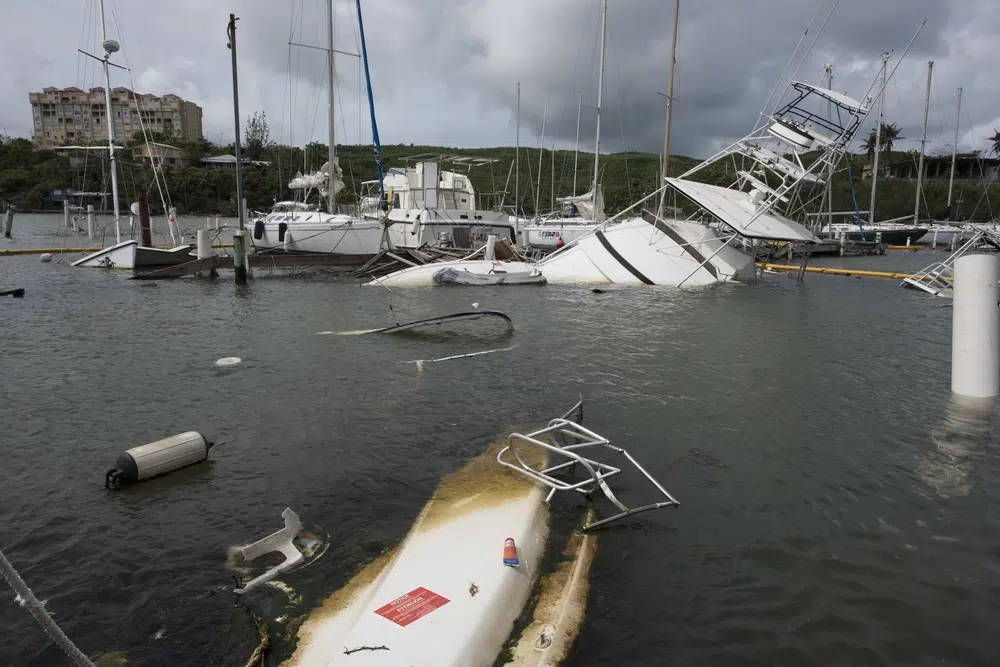
Best Boat Insurance for Florida Boat Owners
A good day on the water can turn expensive fast when a lower unit meets an unmarked obstruction, a storm
Boating is expensive. For sure. Many people are looking to get into a used boat these days, but a boat payment can look comfortable on paper and still put a squeeze on the rest of your boating budget. The right boat financing options should leave room for insurance, dockage, fuel, maintenance, safety gear, and the occasional repair that never waits for a convenient month. A little planning before you shop makes it easier to enjoy the boat after the paperwork is signed.
For many Florida boaters, financing is not about stretching for the biggest boat possible. It is about choosing a vessel that fits the way they actually spend time on the water, whether that means early runs to the reef, weekends at the sandbar, or family cruises along the coast.
Before comparing rates, establish a comfortable all-in monthly number. That is more useful than deciding what purchase price you can technically qualify for. Your payment is only one part of ownership, and a larger boat can bring much larger operating costs.
Build a realistic estimate for insurance, registration, storage or marina fees, fuel, routine service, towing coverage, and replacement gear. If you are buying a used boat, leave a reserve for immediate work after the survey. Batteries, pumps, upholstery, electronics updates, trailer tires, and safety equipment can add up quickly.
A down payment changes the picture, too. Putting more down reduces the amount borrowed and may improve the terms a lender offers. It can also help you avoid owing more than the boat is worth if values soften. There is no universal magic number, but many lenders expect a down payment, particularly on used boats or older models.
The best financing path depends on the boat’s price, age, condition, your credit profile, and how long you expect to own it. Compare the total cost of each option, not just the advertised monthly payment.
A secured marine loan is the financing route many buyers use for mid-priced and larger boats. The boat serves as collateral, much like a vehicle in an auto loan. Because the lender has security in the asset, rates may be more favorable than an unsecured personal loan for a qualified borrower.
Marine lenders understand the details that can complicate a boat purchase. They may finance new or used boats, trailers, and sometimes related equipment, though each lender sets its own rules. Larger loan amounts and longer terms are common, especially for vessels with higher purchase prices.
The trade-off is a more involved approval process. Expect the lender to review your credit, income, debt obligations, and the vessel itself. For a used boat, a survey, title search, or proof of insurance may be required before closing. That extra work can be worthwhile if it helps you identify a problem boat before it becomes your problem.
Credit unions can be a strong place to compare loan offers, particularly if you already have a relationship with one. Members may find competitive rates, straightforward service, and fewer surprises in the fee structure. Some credit unions have dedicated recreational vehicle or boat loan programs, while others use broader secured-loan products.
Ask whether the rate changes based on the boat’s age, loan term, or loan-to-value ratio. Also confirm whether the credit union will finance a private-party purchase. A great rate does not help much if the lender will only work with a dealership and you have found the right boat from an individual seller.
Buying through a dealer can make financing convenient. Dealers often work with several lenders and can submit an application on your behalf. This may save time when you are purchasing a new boat, package, or trailer together.
Convenience should not replace comparison shopping. Get a preapproval from your bank or credit union first, then see whether the dealer can beat it on annual percentage rate, term, fees, or total amount financed. A dealer may have access to manufacturer promotions on certain new models, but those offers may be subject to limits on term length, model availability, or other terms.
An unsecured personal loan does not use the boat as collateral. That can make sense for a smaller purchase, a repower project, or a buyer who wants a faster and simpler process. It may also be an option when the boat is too old or unusual for traditional marine financing.
The downside is usually a higher rate and a shorter repayment term. Those two factors can create a noticeably larger monthly payment. Personal loans are worth considering when you can repay them quickly, but they are not automatically the cheapest choice just because the application feels easier.
Some established homeowners consider a home equity loan or a home equity line of credit to purchase a boat. Rates can be attractive in some situations, and the available repayment period may be flexible. But the collateral is your home, not the boat.
That is a serious trade-off. A recreational purchase should not put your primary residence at risk. This route warrants a careful conversation with a qualified financial professional, especially if your income varies or you already carry substantial housing debt.
A long term can make a monthly payment easier to manage, which is why 15- or 20-year marine loans can be appealing on expensive boats. The catch is interest. The longer you carry the balance, the more you may pay over the life of the loan.
For example, a lower monthly payment is not always a better deal if it extends the payoff period by many years. Ask every lender for the payment, APR, total finance charge, and total of all payments. Those figures show what the boat will actually cost beyond the sticker price.
Also look for prepayment penalties. A loan without one gives you flexibility to make extra principal payments after a good season, a bonus, or the sale of another asset. Confirm whether additional payments are applied directly to principal and how the lender handles them.
Lenders want confidence that you can repay the loan and that the boat has enough value to support the amount borrowed. Your credit score matters, but it is not the only factor. Stable income, manageable debt, cash reserves, and a meaningful down payment can strengthen an application.
On the boat side, lenders often consider the make, model, year, condition, and market value. A late-model center console with a clean title and documented service history is generally easier to finance than an older project boat with unknown engines. For used boats, a professional marine survey and engine inspection are not just lender boxes to check. They are a practical protection for your budget.
If you are buying from a private seller, make sure the title and ownership records are in order before money changes hands. If there is an existing lien, understand exactly how it will be paid off and released. Do not rely on a handshake when a vessel title, trailer title, and lender payoff are involved.
A lender’s quote is only useful when you understand the details behind it. Ask whether the quoted rate is fixed or variable, what fees are included, whether insurance is required, and whether there is a penalty for early payoff. Confirm the exact term and whether the payment amount includes any optional products.
If insurance is required, get quotes before closing rather than assuming the premium will be minor. Florida’s weather, where the boat is stored, your experience, the vessel type, and hurricane-season requirements can all affect coverage and cost. For a financed boat, the lender typically needs to be listed on the policy as the lienholder.
Be cautious about rolling every extra into the loan. Electronics, service plans, accessories, and other add-ons can be valuable, but financing them over the long term increases their real cost. Buy the safety essentials and equipment you truly need, then add the nice-to-haves as your budget allows. Boatsmans was built around that same practical idea: dependable gear should support more time on the water, not create unnecessary financial strain.
A well-financed boat is one you can maintain, insure, and use without worrying over every fuel receipt or dock bill. Get at least two or three financing quotes, compare the total cost side by side, and do not rush past the survey or insurance step just to close quickly.
The best loan is not necessarily the one with the lowest payment. It is the one that keeps the boat safe, properly equipped, and ready when the weather turns right and the water is calling.
Safe Boating,
William B.
A good day on the water can turn expensive fast when a lower unit meets an unmarked obstruction, a storm
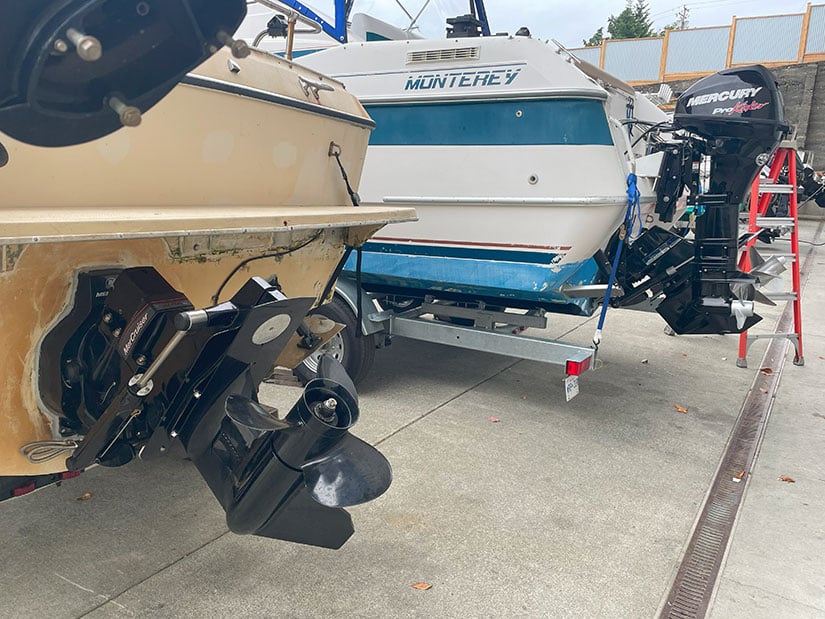
A calm morning at the ramp can make any boat look like the right boat. The real difference shows up