
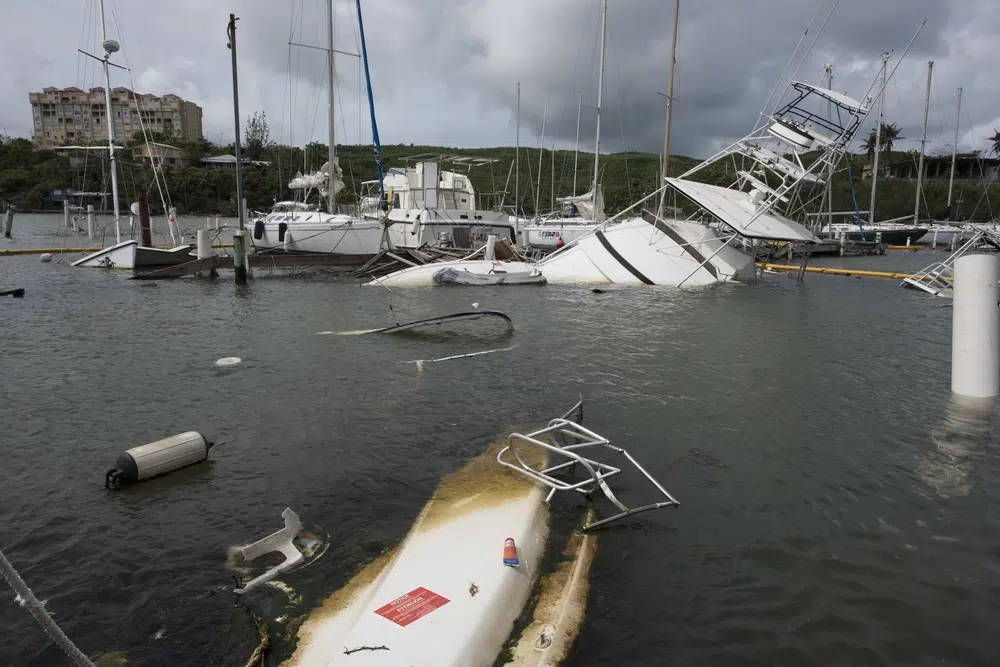
Best Boat Insurance for Florida Boat Owners
A good day on the water can turn expensive fast when a lower unit meets an unmarked obstruction, a storm
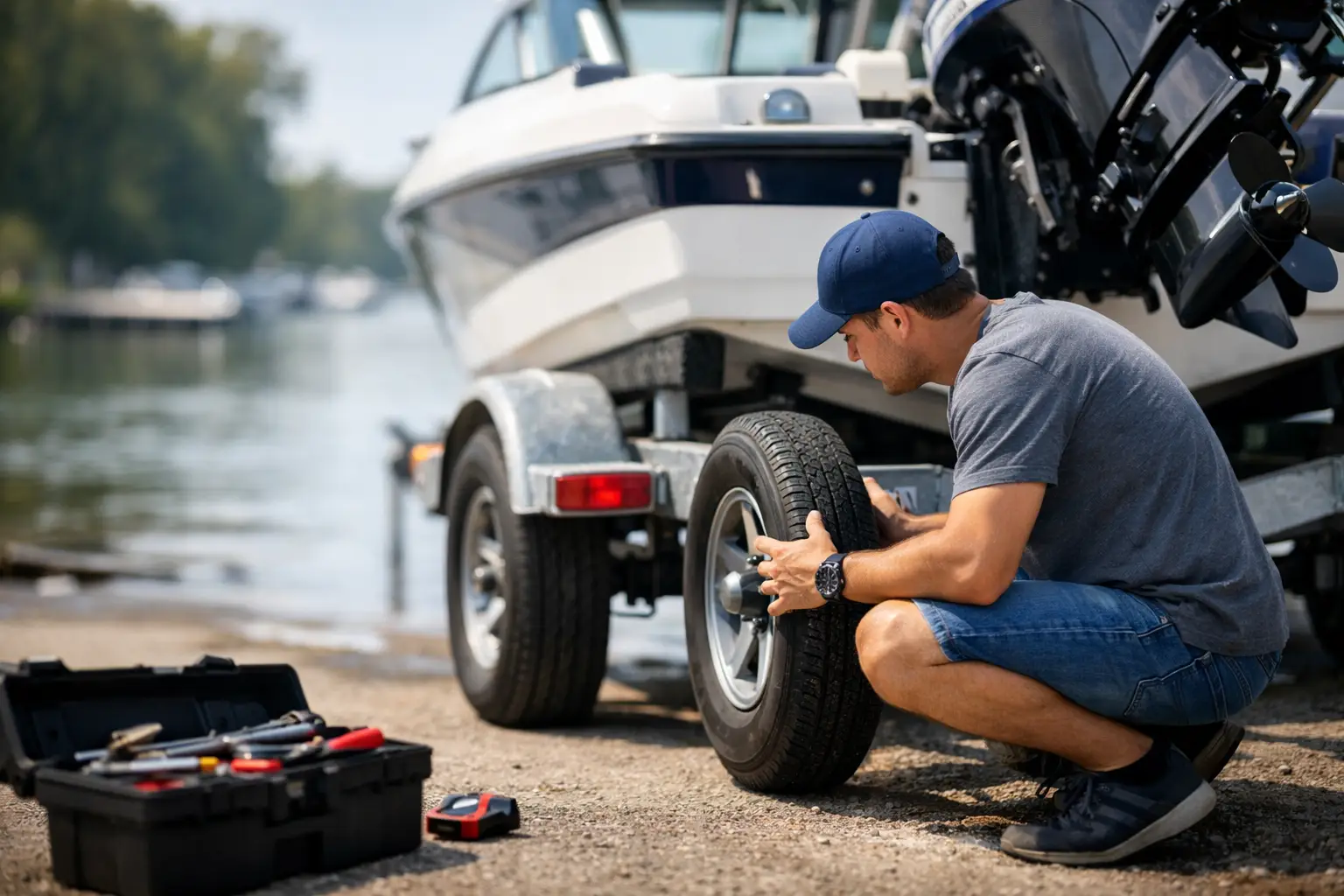
A boat trailer can look fine in the driveway and still leave you stranded on the shoulder of I-95 or at a busy ramp. ( been there, done that ) Saltwater, heat, sun exposure, and long stretches between launches are tough on every part beneath the hull. Knowing how to inspect boat trailer components before a trip gives you a chance to catch a small problem while it is still a simple fix.
A quick walk-around before each launch is smart. A more deliberate inspection at the start of the season, after a long road trip, or before towing to a distant fishing destination is even better. The goal is not to turn every outing into a maintenance project. It is to make sure the trailer carrying your boat is as dependable as the boat itself.
Begin at the coupler and work your way toward the rear of the trailer. This simple routine makes it less likely that you will skip something. Look closely at the tongue, winch post, crossmembers, axle mounts, spring hangers, and welds. Surface rust on older painted steel is common, but flaky scale, deep pitting, cracked welds, bent members, or rust around critical mounting points deserve immediate attention.
Galvanized trailers hold up well in coastal use, but they are not immune to corrosion. Check areas where hardware contacts the frame, where water can collect, and where bunk brackets or fenders attach. Aluminum trailers avoid red rust, yet corrosion can still develop around stainless hardware or where dissimilar metals meet. White powdery corrosion, loose fasteners, or thinning metal should not be ignored.
Make sure all bolts, U-bolts, and brackets are secure. Pay special attention to the axle U-bolts and leaf-spring hardware. If a fastener is visibly corroded or stretched, replace it rather than simply tightening it. A trailer frame works under constant vibration, and a loose component rarely improves on its own.
At the tongue, inspect the coupler for cracks, excessive wear, and smooth latching action. Confirm it fits the correct ball size and fully locks onto the ball. The safety pin or latch lock should be present and functional. Check both safety chains for worn links, damaged hooks, or attachments that are rusting through. Cross the chains under the tongue when towing, leaving enough slack for turns without letting them drag.
Trailer tires are one of the most overlooked safety items on a boat trailer. They may have plenty of tread but still be unsafe because of age, sun damage, or internal deterioration. Trailer tires often age out before they wear out, especially on boats that sit for months at a time.
Check tire pressure when the tires are cold, using the pressure printed on the tire sidewall or the trailer manufacturer’s tire placard. Do not use the pressure recommendation from your tow vehicle. Underinflation generates heat, which is a common cause of trailer tire failure.
Inspect each sidewall and tread for cracks, bulges, cuts, embedded objects, uneven wear, or exposed cords. Cracking around the sidewall lettering can be an early warning of dry rot. Uneven wear may indicate a bent axle, worn suspension components, a bearing issue, or incorrect tire pressure.
Find the DOT date code on the sidewall. The final four digits show the week and year the tire was made. For example, 1824 means the 18th week of 2024. Replacement timing depends on storage conditions, load, and visible condition, but a tire approaching five to seven years old deserves a careful evaluation even if it appears lightly used.
Do not forget the spare. It needs proper pressure, a sound sidewall, and a secure carrier. A flat spare is not a spare. Before a longer trip, confirm you have the correct lug wrench, a jack rated for the loaded trailer, and a solid block to support the jack on soft ground.
Wheel bearings have a hard life on a boat trailer. They carry the load, heat up at highway speed, and then may be backed into cool water at the ramp. Water intrusion and neglected grease are a bad combination.
With the trailer safely supported and the wheels off the ground, grasp each tire at the top and bottom and rock it gently. Noticeable play can indicate a loose or worn bearing. Spin the wheel and listen for grinding, rumbling, or roughness. After towing, carefully feel near each hub without touching a potentially hot surface. One hub that is significantly hotter than the others calls for inspection before the next trip.
If your trailer has bearing protectors, inspect the caps and seals for damage or grease leakage. Add the appropriate marine wheel-bearing grease only as needed. Overfilling can push grease past the rear seal and contaminate the brakes. If you do not know when the bearings were last serviced, repacking and inspecting them is inexpensive insurance compared with a roadside hub failure.
For trailers with brakes, check the actuator, breakaway cable, brake lines, calipers or backing plates, and wiring. The breakaway cable should be attached to the tow vehicle independently of the safety chains, not looped around the ball. Hydraulic brake fluid leaks, corroded steel lines, sticking calipers, or worn brake pads should be corrected promptly.
Surge brakes and electric-over-hydraulic systems each need slightly different checks, so follow the trailer and brake manufacturer’s guidance. What does not change is the need to test braking action before committing to a crowded highway. If the trailer pushes the tow vehicle, pulls sharply, or brakes unevenly, stop and diagnose the issue.
Trailer lighting problems are frustrating at best and dangerous at worst. Plug the trailer into the tow vehicle and test running lights, brake lights, turn signals, hazard flashers, and license plate light. Have someone stand behind the trailer, or use reflections in a garage door or storefront window if you are working alone.
Inspect the plug for green corrosion, bent pins, loose wires, and cracked insulation. In saltwater country, a little dielectric grease on clean electrical contacts can help keep moisture out. Secure dangling wires so they cannot rub against tires, suspension parts, or the road.
LED lights usually hold up well, but they still need inspection. Look for water inside a lens, cracked housings, dim output, or lights that flicker when the harness moves. Ground problems are especially common on older trailers, so inspect ground connections at the plug, frame, and each light assembly.
The parts that support and secure the boat matter just as much as the running gear. Check bunk boards for rot, splitting, loose brackets, worn carpet, or exposed fasteners. A staple, screw, or worn-through bunk covering can scratch or gouge a hull during loading. On roller trailers, make sure rollers turn freely and are not cracked, flattened, or missing.
Inspect the winch strap or cable from end to end. Replace a strap that is frayed, faded, cut, stiff, or damaged near the hook. A cable with broken strands can cause a painful injury and should be replaced. Test the winch gears and handle, then verify the hook’s safety latch closes completely.
The bow stop should contact the boat in the correct position and remain firmly mounted. Check the transom tie-down straps for UV damage, corrosion, and working ratchets. The winch strap holds the bow forward, but properly rated stern tie-downs help keep the boat planted on the trailer during bumps, braking, and evasive maneuvers.
Before pulling away, verify the coupler is locked, the jack is fully raised, safety chains are crossed, the breakaway cable is connected, and all tie-downs are tight. Make sure the drain plug is out while towing, and install it only when you are ready to launch. Confirm that the outboard or sterndrive is properly supported for travel, and secure loose gear inside the boat.
Walk around once more after moving a short distance. This is a good time to spot a shifted boat, a loose strap, or a tire that did not look right under load. On longer trips, stop periodically to check hubs, tires, straps, and lights, particularly after the first 20 to 30 miles.
A clean freshwater rinse after each saltwater launch will extend the life of nearly every trailer component, but it does not replace inspection. Give your trailer the same respect you give your engine and safety gear. When the trailer is ready, the drive to the ramp becomes part of the boating day instead of the part everyone remembers for the wrong reason.
Final Note: For the love of all that is holy…. Use the right-sized vehicle to tow your vessel!!!!!
Safe boating,
WIlliam B.
A good day on the water can turn expensive fast when a lower unit meets an unmarked obstruction, a storm
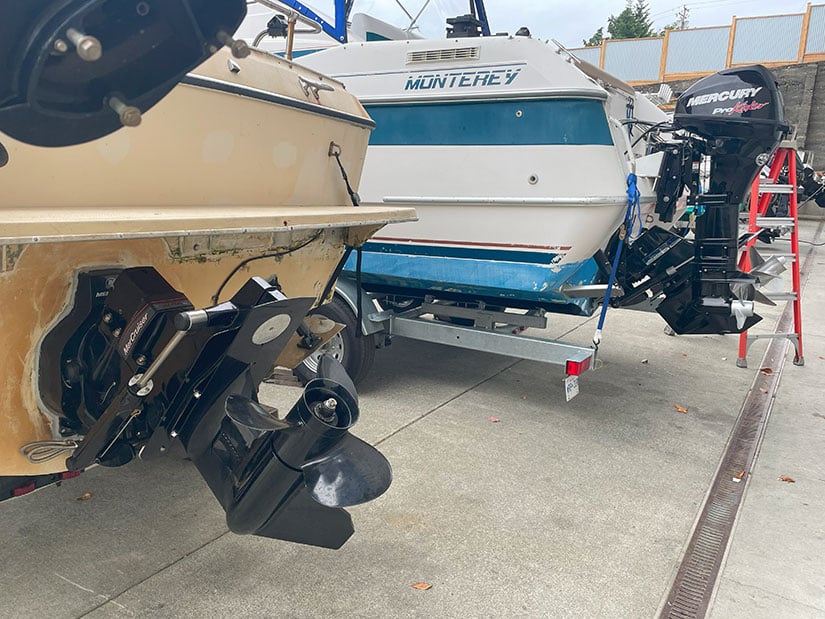
A calm morning at the ramp can make any boat look like the right boat. The real difference shows up