
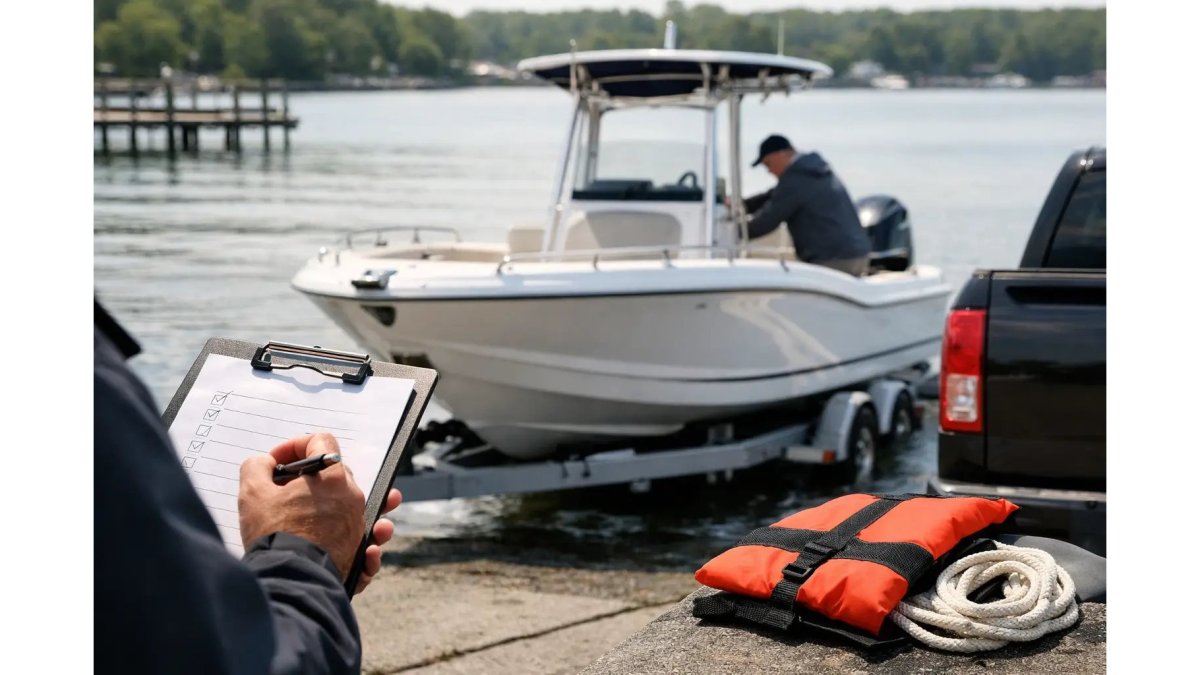
Affordable Marine Gear for Center Consoles That Lasts
Affordable marine gear for center consoles starts with safety, lighting, and corrosion protection. Compare real prices and find gear that fits your layout.

Quick Summary
Marine supply pricing transparency means a buyer can see the real total before purchasing, including freight, handling, and other charges. Sticker prices often differ from final prices, so comparing landed totals on a written quote is the reliable way to judge.
Is marine supply pricing transparent? It depends on what you are buying and where you buy it, since marine supply pricing can vary widely between sellers. Pricing transparency means a buyer can see the real cost of a part or product before committing to purchase, including any shipping, handling, or other charges that affect the final total.

Many boaters find that sticker prices and final prices do not match. A part listed at one figure may cost noticeably more once delivery and fees are added. Transparency is about closing that gap.
For Florida boat owners, clear pricing matters even more. Saltwater corrosion, heat, and humidity mean parts wear out faster, and replacements are a recurring cost. Knowing the true price helps you plan maintenance without surprises.
Boatsmans.com publishes its shipping terms openly so you can see how costs are calculated before you order. Our shipping policy explains how shipping is charged.
Boat owners expect to know what they will pay. A part that looks affordable online should not turn into a much larger bill at checkout.
Buyers have reason to be cautious. Marine parts can be specialized, and a wrong order costs time as well as money. When a price is unclear, many buyers stop shopping or move on to another seller.
Clear pricing builds trust. It lets you compare options fairly and decide with confidence. This matters most for larger purchases such as electronics, anchors, and engine components, where the difference between a quoted price and a final price can be significant.
Most boaters compare the wrong number. The headline price on a product page is not the price you pay, and two suppliers quoting the same part can land hundreds of dollars apart once freight, handling, taxes, and availability are folded in. A standardized comparison is the only way to see the real difference.
Build a simple comparison worksheet, a spreadsheet or a sheet of paper with one column per supplier, and capture the same fields for every quote:
Once the columns are filled, compare the landed total, item price plus freight plus handling plus tax, not the sticker. A supplier that looks higher on the product page often wins on the landed total because freight is lower or the item is in stock.
Watch out: A verbal quote is not a quote. Ask for the total in writing, including freight to your ZIP code, and confirm how long the number is valid. Marine pricing moves with fuel surcharges, container costs, and manufacturer increases, and a quote from last month may no longer hold.
For Florida boaters, add one more column: corrosion-rated specification. A cheaper non-marine-grade fastener or fitting may cost less today and fail within a season in saltwater. Comparing like-for-like means comparing the same material grade, not just the same shape.
If you are weighing delivery speed against cost, our guide on which marine supplies store ships fastest covers how lead time fits into the total picture.
Transparency is easiest to judge when you can see every line that turns an advertised price into a final charge. Marine supply orders typically pass through several cost layers, and each one is a place where the advertised number and the paid number can drift apart.
Here is how a final price is usually assembled:
At Boatsmans.com, standard shipping is $10.95 on orders under $199, and free shipping applies to qualifying orders of $199 or more. Oversized or heavy items may follow different shipping terms, so check the product details before ordering. Our shipping policy explains how shipping is charged.
A simple way to test transparency is to ask a supplier for a written quote to your ZIP code that lists each of these lines separately. If the response is a single number with no breakdown, you cannot compare it fairly against another supplier. If the response itemizes freight, handling, and tax, you can.
Watch out: Free-shipping thresholds can encourage you to add items you do not need just to cross the line. Compare the landed total on the items you actually need against the cost of paying freight on a smaller order, the smaller order is often cheaper.
For Florida boaters, delivery timing carries extra weight. During hurricane season, a part that arrives after the storm is worth far less than one that arrives before it. Factor lead time into the total cost, not just the freight charge. Our guide on which marine supplies store ships fastest covers delivery speed alongside cost.
Here is how a final price is usually assembled, and what each layer can add to the advertised number.
| Cost layer | What it covers | Why it matters |
|---|---|---|
| Item price | Posted price before anything else | Only fair starting point |
| Freight | Weight, dimensions, destination, service level | Varies widely by item |
| Handling | Per-order or per-item charge | Common on oversized goods |
| Oversize surcharge | Anchors, batteries, T-tops, long items | Easy to miss |
| Sales tax | Based on delivery address and item taxability | Confirm before paying |
| Optional services | Liftgate, inside delivery, installation | Add cost only if chosen |
| Return or restocking | Charges if something goes back | Check before ordering |
Some retailers offer price-match policies, but these usually come with conditions. A match may apply only to identical items, from specific sellers, and only when the competing price is current and verifiable.

Read the exclusions carefully. Clearance items, special orders, and bundled packages are often excluded. A price-match promise is only useful if you understand where it stops.
Before relying on a match, ask the seller to confirm in writing what qualifies. This avoids disappointment at checkout.
A low price means little if the part does not fit your boat. Compatibility should be confirmed before you pay, not after the package arrives.
Start with your boat’s make, model, and year, along with the engine model and serial number where relevant. Compare these details against the product listing. If a listing is unclear, contact the seller for help before ordering.
Check manufacturer documentation as well. Many parts list the engines or equipment they fit. Taking a few minutes to confirm compatibility can save you a return and a wait.
The cheapest option is not always the best value. A part that fails early in saltwater conditions can cost more over time than a better-built item.
Consider durability, corrosion resistance, and warranty terms. Materials rated for saltwater exposure often last longer on Florida boats. Think about how often the part will need replacement and what that adds up to over several seasons.
Florida boating also brings extra costs. Hurricane season may require quick repairs or storage preparation, and frequent use in heat and humidity can shorten the life of many components. Factor these conditions into your decision.
Before you order, confirm the part number, check compatibility, compare final totals including shipping, and read the return and price-match policies. These steps take little time and protect your budget.
Boatsmans.com is a Florida-focused, veteran-owned marine supply retailer built on the belief that boating is expensive, but maintaining one shouldn’t have to be. If you are unsure about fit or compatibility, contact the company before ordering for help.
Shop all Boatsmans.com marine supplies today and find reliable gear for your next trip on the water.
Transparent pricing means you can see the full cost of a purchase before you commit. That includes the item price, shipping charges, any handling fees, and applicable sales tax. A transparent seller states these clearly on the product page or at checkout, not after you have entered payment details. It also means the return policy and any restocking fees are visible up front. Pricing can still change with supplier costs and availability, so a good retailer will tell you how long a quoted price is valid. If you cannot find the total cost without digging, that is a sign to compare more carefully.
Start with the exact part number, not just the description, because similar-looking parts can differ in size or material. Compare the total landed cost: the item price plus shipping, sales tax, and any handling charge. Check whether each seller’s quote is for new or refurbished stock and what warranty applies. Note delivery timeframes, since a slightly cheaper part that arrives two weeks late can cost you more in downtime. Finally, confirm the return terms. A lower price with a restrictive return policy may not be the better deal for your boat.
Some do, but policies vary and usually carry conditions. A price-match policy often applies only to identical items, in stock, from a named competitor, and sometimes only to advertised prices rather than sale or clearance prices. Many policies exclude shipping, taxes, or special orders. Before relying on a match, read the written terms, ask whether the policy covers your exact part number, and keep a dated copy of the competitor’s listing. Requirements change, so verify the current policy with the seller before you order rather than assuming one applies.
Start with your boat’s make, model, model year, and hull identification number, then add the engine make, horsepower, and serial number if the part is engine-related. Compare these against the part’s listed fitment and any manufacturer cross-reference numbers. If anything is uncertain, contact the seller before ordering and describe your exact setup. Keep the original part number from your existing component handy, since matching it is often the most reliable check. A quick compatibility question costs far less than a return on a part that does not fit.
Affordable marine gear for center consoles starts with safety, lighting, and corrosion protection. Compare real prices and find gear that fits your layout.
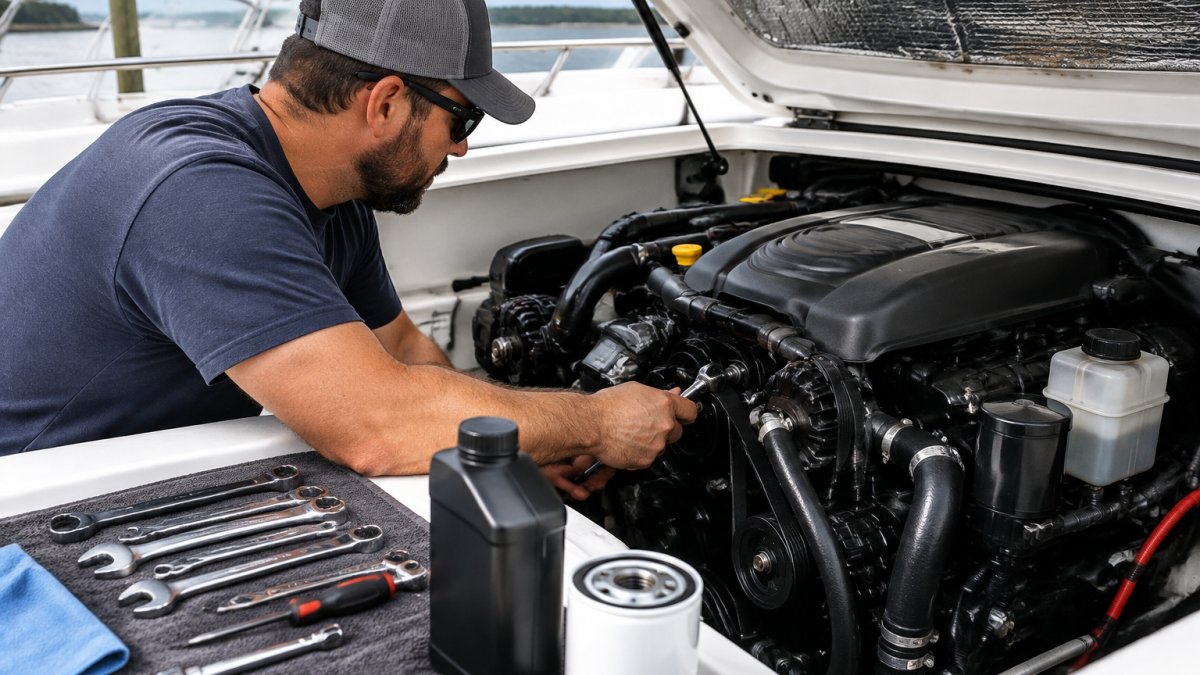
Boat engine maintenance keeps your outboard running in Florida saltwater. Learn the 8 tasks, service intervals, and flushing steps that prevent failures.