
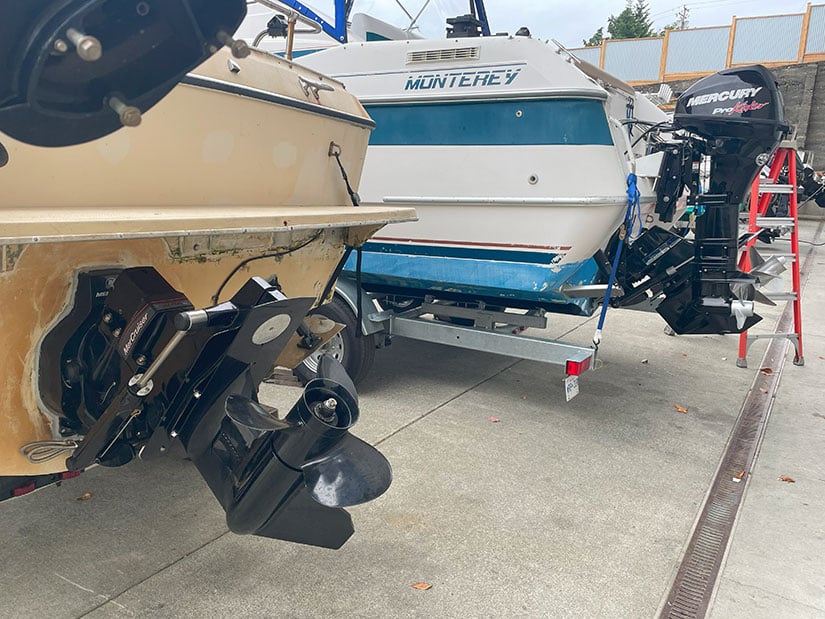
Outboard Versus Stern Drive Engines Compared
A calm morning at the ramp can make any boat look like the right boat. The real difference shows up
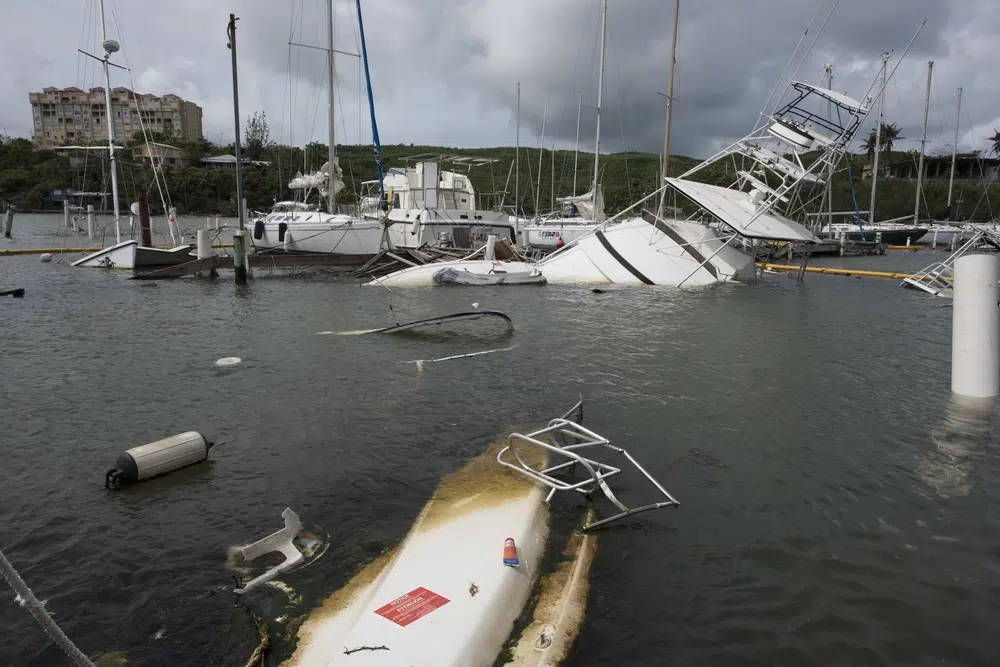
A good day on the water can turn expensive fast when a lower unit meets an unmarked obstruction, a storm damages the dock, or another boater turns too tight in the channel. The best boat insurance is not necessarily the policy with the lowest annual premium. It is the coverage that fits your boat, the way you use it, and the waters you run – with limits that can hold up when something actually goes wrong.
For Florida boaters, that decision deserves more than a quick online quote. Our weather changes quickly, crowded ramps create their own hazards, and hurricane season can expose weak coverage fast. A sound policy lets you focus on the next run offshore, the family cruise to the sandbar, or an early morning bite instead of wondering what is excluded.
No single carrier or policy is best for every boater. A 17-foot bay boat used on weekends in Charlotte Harbor has different needs than a center console making offshore runs from Jupiter, or a cabin cruiser kept in a South Florida marina year-round.
The right policy starts with an honest picture of your risk. Consider the boat’s value, horsepower, age, storage arrangement, navigation area, and how often you carry passengers. Then look beyond the headline price at what the policy pays for, what it will not pay for, and how claims are handled. Fun Fact: The State of Florida doesn’t require boat insurance to register a boat. But boat marinas, storage, and/or slip rentals might require it.
A policy worth considering should clearly address physical damage, liability, medical payments, uninsured boater protection, towing, and any equipment you depend on. For many owners, the key difference isn’t whether a category appears on the declarations page. It is whether the limit is high enough and the exclusions make sense for their real use.
This is one of the first details to clarify. With agreed value coverage, you and the insurer establish the boat’s insured value when the policy begins. If the boat is declared a total loss, the payout is generally based on that agreed amount, subject to the policy terms and deductible.
Actual cash value coverage factors in depreciation. It can cost less up front, but an older boat, electronics package, or engine may be worth less to the insurer at claim time than it is to you. That trade-off matters when replacement costs remain high.
Neither approach is automatically wrong. Actual cash value may be reasonable for an older vessel with a modest market value. For a newer boat, a well-equipped fishing rig, or a vessel you could not readily replace without a major out-of-pocket hit, agreed value is often easier to understand and budget around.
Physical damage coverage typically protects the boat itself from covered events such as collision, theft, fire, vandalism, and weather damage. Read how the policy treats the hull, motors, trailer, tender, and permanently installed equipment. A high-end chartplotter, trolling motor, power pole, or fishing electronics package can add meaningful value that should not be assumed to be fully covered.
Liability coverage pays when you are legally responsible for injury or property damage to others. Florida does not require boat insurance for every recreational vessel, but marinas, lenders, and certain launch or storage arrangements may require it. More importantly, liability is where a cheap policy can leave an owner exposed. Damage to another boat, a dock, or a passenger can quickly exceed a minimal limit.
Medical payments coverage can help with immediate medical expenses for you and your passengers after a covered accident, regardless of fault. It is not a substitute for health insurance, but it can be useful protection when an injury happens far from the ramp.
Uninsured or underinsured boater coverage is another feature worth asking about. Not every vessel on the water carries enough liability insurance, or any at all. If another operator injures you or your passengers and lacks adequate coverage, this part of the policy may make a significant difference.
Towing and assistance coverage is often inexpensive, but the details matter. A tow from offshore, a dead battery at the dock, or a fuel delivery can cost far more than most boaters expect. Check the per-incident limit, distance restrictions, and whether the insurer reimburses a provider of your choice or requires a particular service.
Finally, ask about fuel spill and pollution liability. Even a small release can create cleanup obligations, and standard liability language doesn’t always cover every expense the same way.
Florida brings a few considerations that owners in other states may not face as often. Hurricane deductibles, named-storm restrictions, haul-out requirements, and navigation limits deserve special attention.
Some policies require you to move, secure, or haul the boat from the water when a named storm approaches. Others apply a separate hurricane deductible, often calculated as a percentage of the insured value instead of a flat dollar amount. On a $100,000 boat, a 5 percent deductible means the owner could be responsible for $5,000 before coverage applies.
That does not make hurricane coverage a bad deal. It simply means you should know your responsibility before the forecast cone appears. Ask where your boat may be kept during storm season, whether your storage plan complies with the policy, and whether marina damage is handled differently from damage to your vessel.
Navigation territory also matters. A policy may cover inland waterways and nearshore use but limit offshore mileage, Bahamas trips, or travel outside a defined region. If your plans include running from the Keys to Bimini, fishing well beyond the beach, or trailering north for the season, say so before you bind coverage. Expanding territory later may be possible, but finding out after an incident is not the time to learn you were outside the covered area.
Comparing boat insurance quotes is smart. Comparing premiums alone is not. Two quotes that look similar can have very different deductibles, liability limits, valuation methods, towing allowances, and gear restrictions.
When reviewing quotes, place the declaration pages side by side. Confirm the named boat, hull identification number, engine information, trailer, and listed equipment are accurate. Then compare the same coverage categories at the same limits. If one premium is substantially lower, find the reason before assuming you found a bargain.
Pay particular attention to exclusions. Common problem areas include normal wear and tear, corrosion, mechanical breakdown, gradual water intrusion, damage caused by improper maintenance, and losses related to operating outside the navigation territory. Insurance covers sudden, accidental events, not routine upkeep. Keeping bilge pumps working, inspecting hoses, maintaining batteries, and securing the boat properly is still part of ownership.
The same goes for fishing and recreational gear. Some policies set separate limits for rods, reels, coolers, dive equipment, personal items, or electronics. If you regularly carry expensive gear, document it with photos, receipts, and serial numbers. That preparation is useful whether you ever make a claim or not.
A higher deductible can lower the premium, which may be sensible for a careful owner who can comfortably absorb a smaller loss. But do not choose a deductible just because it makes the annual number look better.
Think through a realistic claim. If a prop strike damages the lower unit, could you pay the deductible without delaying repairs? If a named-storm deductible applies, could you cover that amount while arranging safe storage and transportation? The best deductible saves money without turning an otherwise covered loss into a financial strain.
For some boaters, a separate wind or hurricane deductible is acceptable because the premium savings are meaningful. For others, predictable out-of-pocket costs matter more. There is no captain’s-answer-to-everything here. The right choice depends on the vessel value, where it lives, and your reserve funds.
Start with clean information. Gather the boat’s make, model, year, hull identification number, engine details, purchase price, storage location, intended navigation area, and records for major upgrades. Include the trailer and installed electronics, not just the base boat.
Be direct about how you use the vessel. Tell the agent if you fish offshore, keep the boat in a marina, tow it long distances, use it seasonally, or charter it. Personal recreational coverage usually does not extend to paid charters, commercial fishing, or other business use. A policy that does not reflect the operation can create an unpleasant surprise after a loss.
It is also reasonable to ask practical claims questions: Who handles claims locally? Can you use a qualified repair yard you trust? Are emergency repairs covered to prevent further damage? What documentation will be required after theft, collision, or storm damage? Clear answers are a better sign than vague promises.
At Boatsmans, we believe prepared boaters make better decisions on and off the water. Keep your policy documents accessible, update them after major upgrades, and take fresh photos of your vessel and gear at least once a season. If trouble finds you, that small bit of preparation can help you get back where you belong: safely underway, with the next good tide ahead.
Safe boating,
William B.
A calm morning at the ramp can make any boat look like the right boat. The real difference shows up
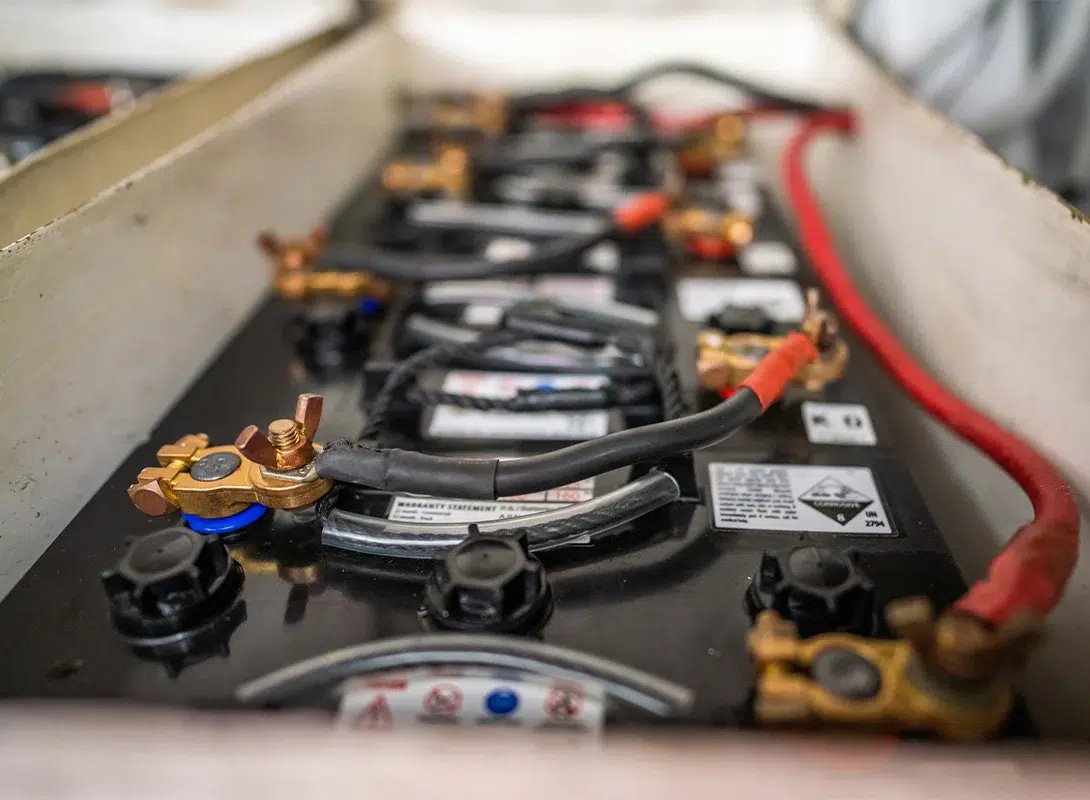
Trust me. Being on the water with a dead battery absolutely sucks. Even with a jump pack on board, you