
Best Boat Insurance for Florida Boat Owners
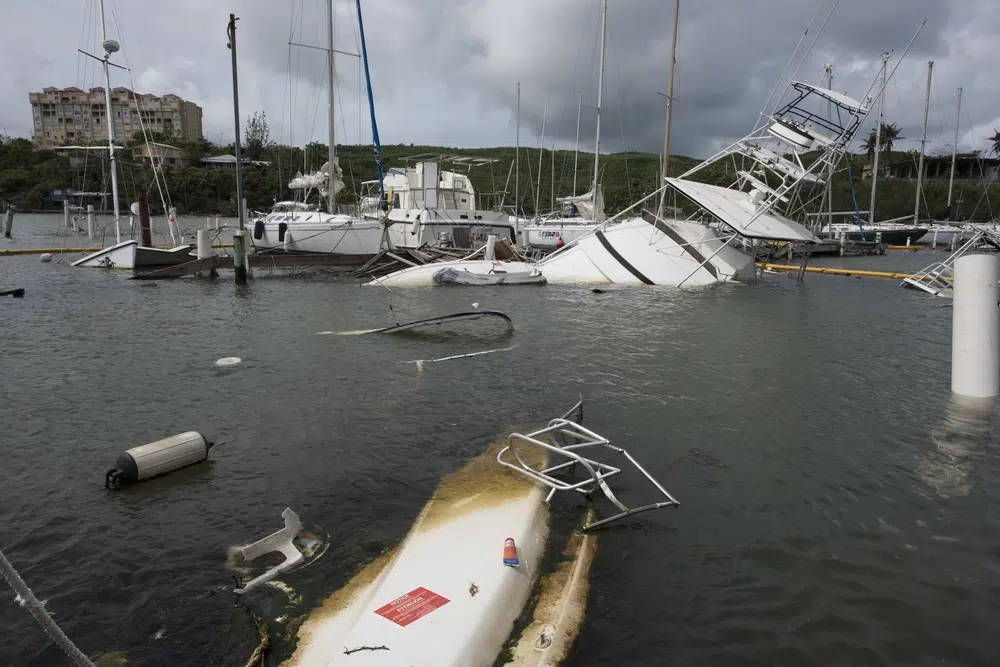
A good day on the water can turn expensive fast when a lower unit meets an unmarked obstruction, a storm
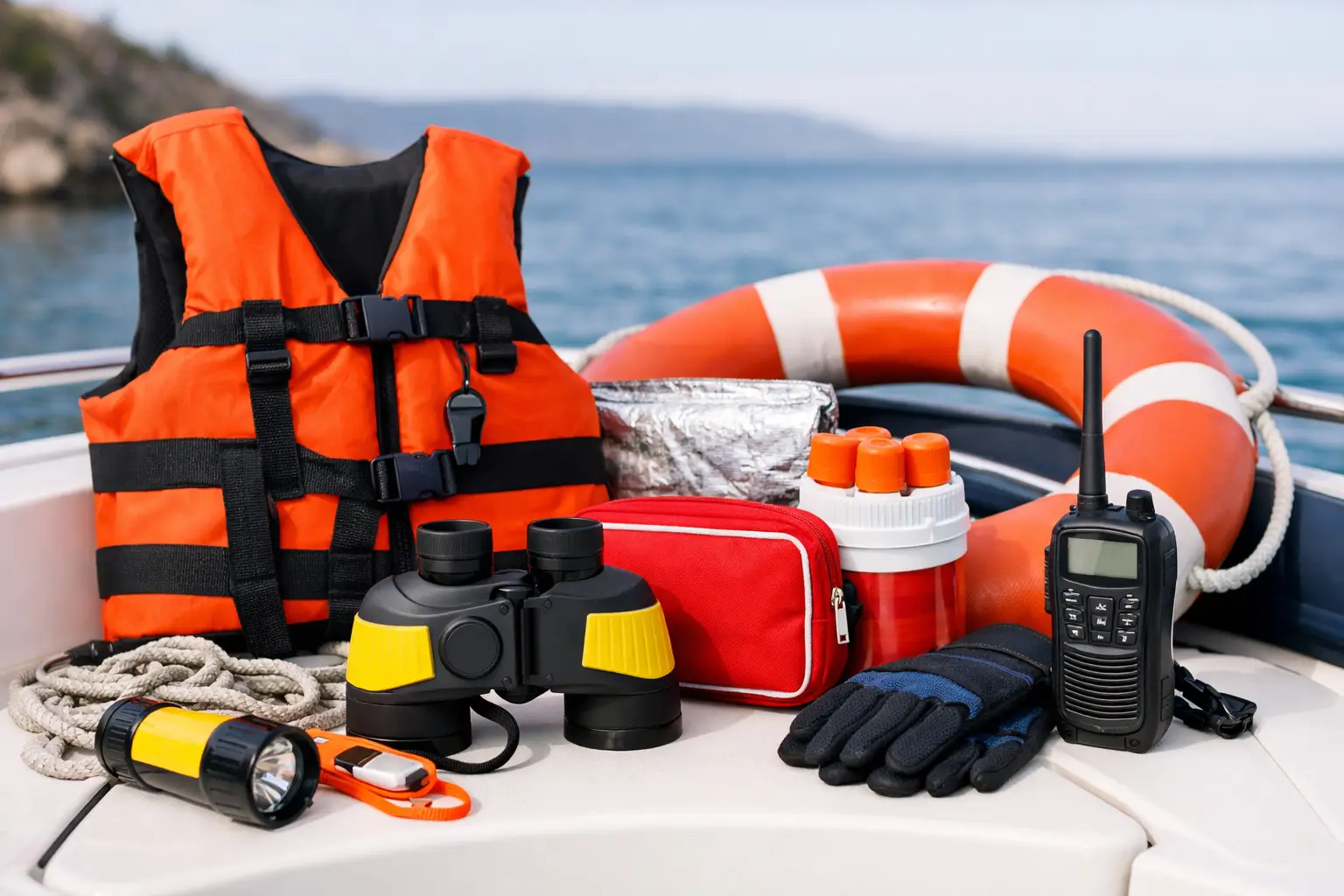
A calm forecast can turn fast on the water. One summer squall, a fouled prop, or a simple slip on deck is all it takes to remind you that the best boat safety equipment is not about checking a box – it is about buying time, staying visible, and getting home under your own power when possible.
For most recreational boaters, the right setup is not the most expensive one. It is the one that fits your boat, your waters, and the way you actually use it. A bay boat running the flats outside Tampa has different risks than a center console making long offshore runs, and both look different from a family pontoon on an inland lake. Good safety planning starts there.
The best gear does three things well. It helps prevent trouble, helps you manage trouble when it happens, and helps rescuers find you if the situation gets bigger than you can handle.
That sounds simple, but there are trade-offs. Compact gear is easier to store, though larger gear is sometimes easier to deploy under stress. Budget equipment may meet minimum legal requirements, but better-built gear usually lasts longer in salt, sun, and heat. And some items that are technically optional become close to essential once you run farther from shore, boat at night, or take kids and older passengers aboard.
If you only shop by regulation, you can end up barely compliant and poorly prepared. If you only shop by fear, you can overspend on equipment that does not match your boating life. The sweet spot is dependable gear you know how to use.
If there is one place not to cut corners, it is flotation. A properly sized, Coast Guard-approved life jacket is still the most important piece of safety gear on the boat.
For many adult boaters, the debate comes down to standard foam vest versus inflatable PFD. Foam jackets are simple, reliable, and a strong choice for kids, non-swimmers, and rough conditions. Inflatable PFDs are cooler and less bulky, which means adults are more likely to wear them – and worn is always better than stowed. The catch is that inflatables require inspection and maintenance, and they are not right for every user or every activity.
Fit matters more than many boaters realize. A life jacket that rides up or stays buried in a console might as well not be there. Keep enough wearable PFDs for every person on board, plus consider a throwable flotation device where required and wherever quick access makes sense.
When things go sideways offshore or even in a busy inlet, being seen is half the battle. Visual distress signals such as flares remain standard equipment, but they are not all equal in real use.
Traditional pyrotechnic flares are effective, though they expire, require careful storage, and can be difficult for inexperienced passengers to handle. Electronic distress lights avoid some of those issues and are worth a look for many boaters, especially if you want a lower-maintenance option. Still, redundancy matters. On coastal boats, many experienced captains carry more than one signaling method rather than relying on a single device.
A powerful waterproof flashlight and a signal mirror also deserve space in the safety kit. They are inexpensive, easy to overlook, and surprisingly useful if you lose power after dark or need to attract attention in daylight.
Cell phones are helpful, but they are not a marine communication plan. Coverage can be spotty, batteries die, and phones are not designed for fast distress coordination on the water.
A fixed-mount VHF with Digital Selective Calling is a smart upgrade for boats that regularly run coastal waters. Handheld VHFs are valuable backups and often make sense on smaller boats where installation is limited. If you boat offshore, a registered EPIRB or a personal locator beacon can move from nice-to-have to essential. Those devices are built for the exact moment when everything else has failed.
The choice depends on where you run. Nearshore boaters may be well served with a quality VHF and a charged phone in a waterproof case. Offshore anglers should think harder about dedicated emergency beacons. Distance changes the whole equation.
Most boating emergencies do not start as dramatic rescue scenarios. They start small – a wiring issue, a fuel problem, a slow leak, an overheated engine. The right equipment can keep those situations from becoming abandon-ship events.
A marine fire extinguisher is a basic requirement, but not all boaters check charge status, mounting condition, or expiration as often as they should. Keep extinguishers where they can be reached quickly, not buried under cushions or behind gear. On larger boats, more than one extinguisher is often the practical answer.
Bilge pumps and high-water alarms do not get much attention until they are needed. That is a mistake. A reliable bilge pump system is one of the best insurance policies you can have against a slow leak, a failed hose, or a rough-weather boarding sea. If you trailer your boat or keep it in a slip, test the pumps regularly rather than assuming they are fine just because they worked last season.
A sound-producing device matters too. A horn or whistle can help in situations of reduced visibility, mechanical failure, or collision risk. It is a simple gear, but a simple gear solves real problems.
Many boaters think of anchors and dock lines as convenience gear. In reality, they are safety gear. If your engine quits near a bridge, inlet, or lee shore, a properly sized anchor can keep a bad situation from getting worse in a hurry.
The key is matching the anchor, rode, and chain to your boat size and bottom conditions. A lightweight setup may be fine for a sandbar lunch stop, but not for holding position during an emergency in current or wind. The same goes for line condition. Sun-baked or chafed rope is not dependable when you need it most.
Towing gear deserves similar respect. A proper tow line, chafe protection, and strong attachment points are more useful than whatever spare rope happens to be under the leaning post. If you fish or cruise with other boaters, that preparation can help you assist someone else safely as well.
A basic first aid kit is required by common sense, even if many boaters treat it as an afterthought. The problem is that cheap kits are often packed with small bandages and not much else.
A better marine first aid kit accounts for hooks, knives, sun exposure, slips, burns, and motion-related issues. On a fishing boat, that means wound dressings, antiseptics, tape that holds in humidity, seasickness medication, gloves, tweezers, and supplies for more than paper-cut injuries. If anyone aboard has a known medical condition, personal medications should be part of the float plan, not left in the truck.
This is one area where your passenger mix matters. Families with kids, older boaters, and offshore crews all have slightly different needs. Build the kit for your crew, not for a generic checklist.
Some of the best safety gear does not look like safety gear. A spare fuel filter, basic toolkit, extra fuses, hose clamps, engine oil, and a sharp knife can be the difference between a short delay and a call for help.
For coastal boaters, corrosion is always working in the background. Battery terminals, wiring connections, pumps, lights, and radios all take a beating in salt air. A boat with neglected maintenance can carry every gadget on the market and still be less safe than a simpler boat that is properly cared for.
That is where experience matters. Seasoned boaters know prevention is cheaper than rescue and a lot less stressful for everyone aboard.
Start with where you run most often. Inland day cruising, nearshore fishing, offshore runs, and night boating each change what counts as essential. Then assess your boat’s size, storage space, passenger capacity, and your crew’s comfort with emergency procedures.
After that, prioritize reliability over gimmicks. Marine-grade construction, clear labeling, simple operation, and gear that can handle heat and salt usually beat flashy features. Fair pricing matters, but the cheapest option is not a bargain if it fails when you need it.
Finally, practice with what you buy. Let passengers know where life jackets are stored, how to use the radio, and what to do if they need to deviate from emergency procedures. Safety gear works best when it is familiar. Boatsman’s was built around that same idea – practical marine equipment backed by real-world boating experience, not guesswork.
There is no single perfect shopping list for every captain. But if your gear helps you stay afloat, stay in contact, stay visible, and stay calm, you are on the right track – and that makes every run a better one.
Safe boating,
William B.
A good day on the water can turn expensive fast when a lower unit meets an unmarked obstruction, a storm
A calm morning at the ramp can make any boat look like the right boat. The real difference shows up