
Best Boat Insurance for Florida Boat Owners
A good day on the water can turn expensive fast when a lower unit meets an unmarked obstruction, a storm
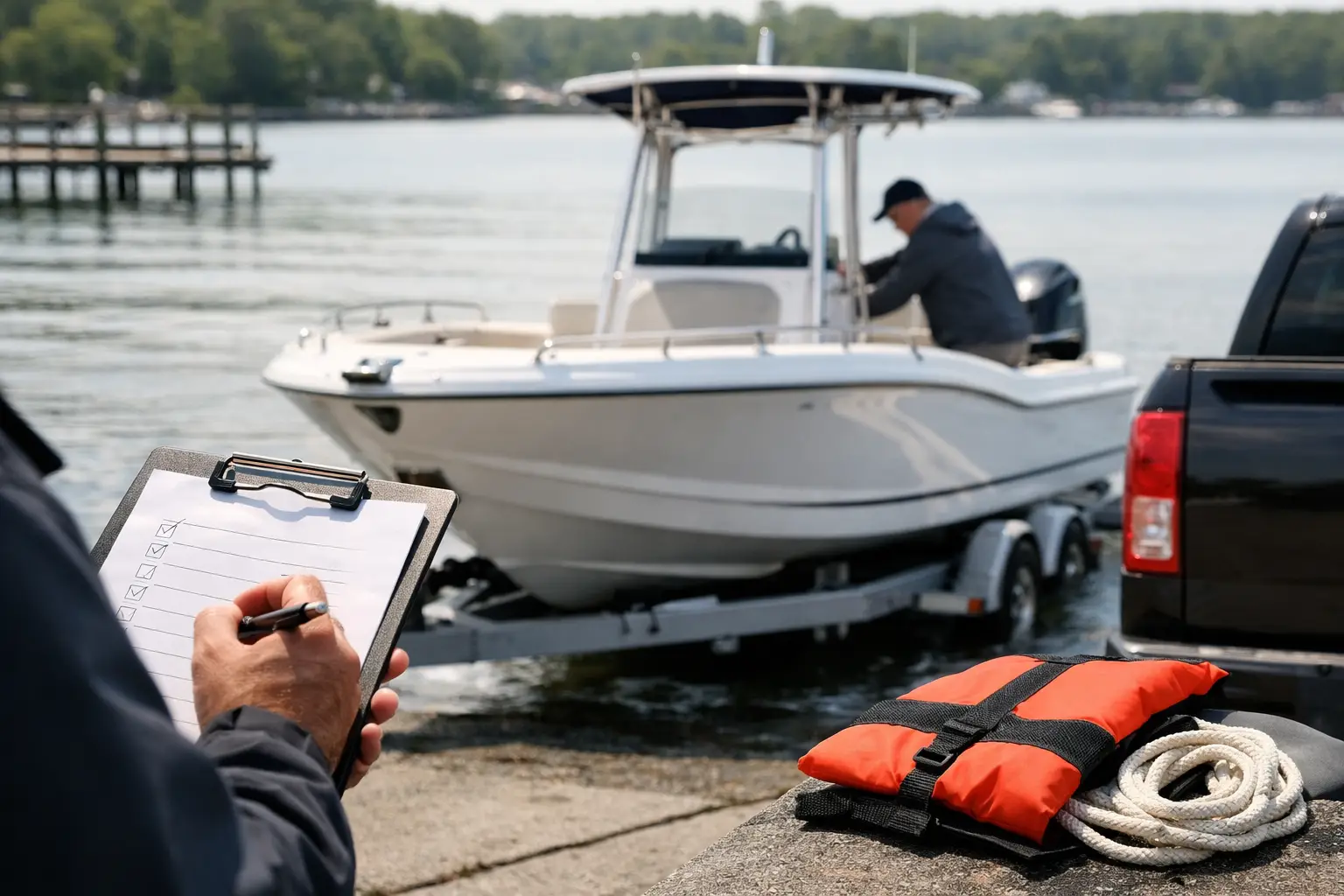
Trust me when I say this: The best place to find a problem is at home, where you have tools, time, and dry feet. If your boat is trailered, uncover it early enough to inspect the hull, trailer, and engine without rushing. If it lives in a slip, arrive before your guests and give yourself a quiet walk-around.
Begin with the obvious: look for loose hardware, cracked hoses, corrosion around terminals, water in the bilge, and signs that rodents or insects made a home aboard. Open the compartments and take a close look, rather than assuming everything is fine just because the boat was covered.
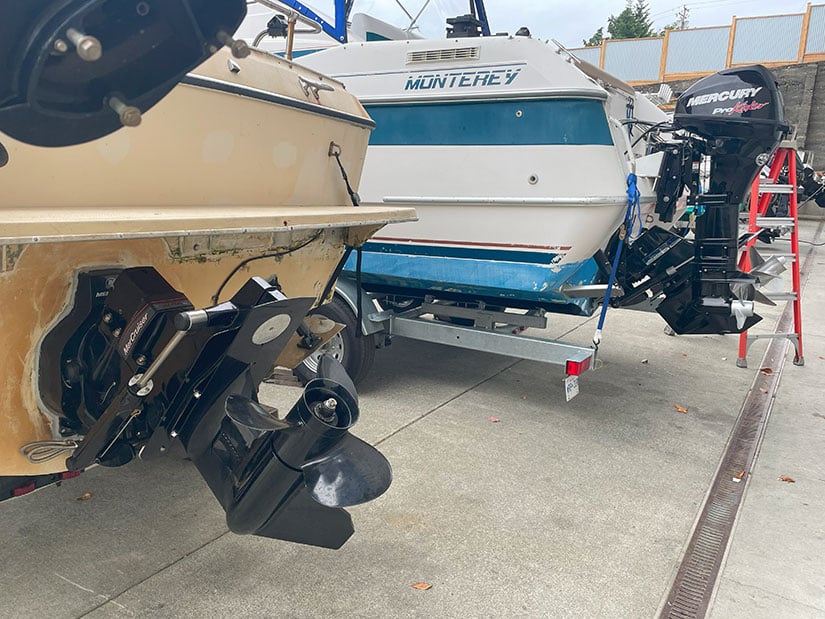
Check the hull and running gear as well. On an outboard or sterndrive boat, inspect the propeller for fishing line, bent blades, or damage around the hub. Fishing line wrapped behind a prop can damage a seal and allow water into the lower unit. Verify the drain plug is installed before launch. It sounds basic, but it remains one of the most common preventable mistakes at a boat ramp.
Trailer owners should inspect tire pressure, tread, lug nuts, lights, winch strap condition, safety chains, and the trailer jack. A tire that looked acceptable last fall can lose pressure over winter storage, and dry-rotted sidewalls are common in the Florida sun. Carry a properly inflated spare and the tools needed to change it.
A boat can look perfect and still leave you stranded because its fuel or electrical system was ignored. Check the fuel level first, then consider the fuel’s age and condition. Gasoline that has been sitting for several months may cause hard starting, poor acceleration, or clogged fuel-system components. If the fuel is questionable, do not simply top it off and hope for the best. The right remedy depends on how old the fuel is, how it was stored, and whether it was treated with a stabilizer.
Inspect the fuel-water separator for water or other contamination, and ensure the fuel lines, primer bulbs, and fittings are not brittle, soft, cracked, or leaking. If you smell gasoline in the bilge or engine compartment, stop there. Ventilate the area and identify the source before operating any electrical equipment.
Turn on the battery switch and check battery voltage. A fully charged 12-volt battery at rest should generally read around 12.6 volts, though charging systems and battery types vary. Clean tight terminals matter as much as the reading. Corrosion creates resistance, and resistance becomes trouble when you need the engine to crank or the bilge pump to run.
Start the engine on a hose at home when practical, following the manufacturer’s flushing and cooling-water guidance. Confirm that cooling water is discharging normally from the outboard telltale, that the gauges are working, and that the alarms are silent. Let the engine warm enough to reveal a rough idle or warning light. This is also the right time to test trim and tilt, steering movement, throttle response, and the shift control.
A quick note on marine batteries: do not rely on a charger indicator alone. A battery can show a full charge but fail under load. If it is older, slow to crank, or has a history of losing charge, have it load-tested before a long run.
Once the engine is ready, work through the boat as if you were already outside the inlet. Navigation lights, bilge pumps, horn, GPS, VHF radio, chartplotter, livewell pumps, and trim tabs should all get a functional test. You do not need every accessory for every outing, but you do need to know what is working before you cast off.
Pay special attention to bilge pumps. Test both automatic and manual functions if your setup has them, and clear debris from the bilge area. The pump should not be your only plan for managing water aboard, but it is a critical last line of defense.
For boats equipped with a VHF radio, confirm it powers on, receives clearly, and, if applicable, has the correct Maritime Mobile Service Identity programmed. Your cell phone is useful, but it is not a replacement for marine radio communication when coverage is weak or conditions turn bad.
If you have not updated your electronics recently, verify charts, software, and saved waypoints before departure. That matters on shifting coastal waters, shallow bays, and unfamiliar channels. A GPS display is helpful, but it cannot replace a proper lookout or local knowledge of tides, markers, and changing bottom conditions.
Your safety equipment needs to be present, accessible, and serviceable – not buried under cushions or stored in a damp compartment. Federal and state requirements vary by vessel type, length, location, and activity, so confirm the rules that apply to your boat and waters.
At a minimum, give these essentials a hands-on check:
For anglers, add sun protection, drinking water, a knife, a basic tool kit, and a way to manage hooks safely. Offshore crews should carry more redundancy than a family making a short run through protected water. The farther you go and the less traffic you expect, the less forgiving a minor equipment issue becomes.
A clear morning forecast does not automatically mean a comfortable afternoon ride. Review marine conditions, wind direction, thunderstorm potential, tide timing, and the route back to the ramp or marina. In Florida, an afternoon sea breeze can build quickly, and summer thunderstorms deserve respect even when the water looks flat at departure.
Check registration documents, insurance information, fishing licenses, and any local permits you may need. Keep them protected from spray but easy to reach. If your boat has been stored out of state or recently purchased, verify that decals and registration are current before a law enforcement stop turns into an avoidable headache.
Then make a realistic float plan. Tell a trusted person where you are launching, who is aboard, your destination, and when you expect to return. Be specific enough to be useful. “Somewhere near the inlet” is not a plan; “Launching from John’s Pass at 8 a.m., fishing three miles west of the pass, back by 2 p.m.” is.
The first trip after storage should be shorter than your confidence would like. Stay close enough to return easily while you confirm engine temperature, charging voltage, steering, and fuel performance under load. Listen for new vibrations, watch for leaks, and check the bilge after a few minutes underway.
Avoid loading the boat with a full crew, a packed cooler, and a long offshore run before you know everything is right. A short shakedown cruise may feel cautious, but it is cheaper than troubleshooting an engine problem with the wind building and the ramp forty miles away.
A dependable boat is not one that never needs attention. It is one whose owner notices small issues early and handles them before they become a reason to call for help. Take the extra time on launch day, keep your gear maintained, and let the first run of the season be about salt air, tight lines, and getting home with a good story.
Safe boating,
William B.
A good day on the water can turn expensive fast when a lower unit meets an unmarked obstruction, a storm
A calm morning at the ramp can make any boat look like the right boat. The real difference shows up