
Is Marine Supply Pricing Transparent? A Buyer’s Guide
Marine supply pricing is transparent only when you check the full cost. Our Florida veteran’s checklist shows how to compare the full cost before you buy.


Last Updated: November 7, 2026
Quick Summary
Coastal conservation means protecting the water, shorelines, and wildlife that boating depends on, and Florida boaters can help through everyday habits like slowing down in shallow areas, avoiding seagrass and reefs when anchoring, and preventing fuel and sewage spills. Most of these steps are simple routines rather than costly projects.
Coastal conservation is the work of protecting the water, shorelines, and wildlife that boating depends on. For Florida boaters, that work matters every time you leave the dock. Florida’s Gulf and Atlantic coasts support seagrass beds, reefs, and nursery habitat for fish that anglers and boaters enjoy. Many of these areas are shallow and slow to recover once damaged.
Florida boating also brings its own pressures. Saltwater corrosion, heat, humidity, and summer thunderstorms all affect how we maintain our boats. Those same conditions mean fuel, oil, sewage, and cleaning products can reach the water quickly. The good news is that most conservation steps are simple habits, not expensive projects.
Conservation starts with everyday choices, and small changes add up across thousands of boats.
Protecting marine life starts with awareness on the water. Slow down in shallow areas, watch for manatees and sea turtles, and keep your wake away from seagrass and shoreline vegetation. A slower speed gives wildlife time to move and reduces the risk of collisions.

Here are a few habits that make a real difference:
Florida’s regional rules on protected species and boating speed zones can change, so check current guidance from the Florida Fish and Wildlife Conservation Commission before you head out.
Whales and other large marine animals are a highlight for many boaters, but they need space. Federal guidelines from NOAA recommend keeping a respectful distance and avoiding sudden changes in speed or direction near whales. Approaching too quickly or from the front can stress animals and create a collision risk.
If you see whales, idle down and move parallel to the animal’s path rather than cutting across it. Keep the engine in neutral when animals are close, and never chase or surround a group. Once you spot a whale or dolphin, give it room and let it decide where it goes.
Read the latest vessel speed and approach rules for your area on the NOAA Fisheries website before you plan a trip near known migration routes.
Pollution from boats often comes from routine tasks. Fueling, bilge pumping, and washing down the deck can all send contaminants into the water if you are not careful. A little planning keeps those materials out of the water.
Watch out: A small fuel spill at the dock can spread across the water surface quickly and be hard to clean up, so keep absorbent pads on board and fuel slowly.
Start with these steps:
Good hoses and fittings reduce leaks and spills.
Routine maintenance is one of the best places to make a difference. Cleaning your boat with gentler products keeps harsh chemicals out of the water, and you can still get a good shine. We recommend a few practical swaps:
The TD Mop Frolic Soap – 1 Gallon is a biodegradable boat soap designed to clean without compromising a boat’s wax coating, priced at $34.99. For detail work, the Star brite Marine-Grade Short Handle Scrub Brush is a compact option for cleaning waterlines and hard-to-reach areas.
Inflatable boats need extra care. Harsh solvents can damage the rubber or coated fabric, so a gentle cleaner is the right call. When you shop for a biodegradable cleaner, look for a product labeled for use on marine surfaces and check that it is safe for your boat’s material.
Rinse thoroughly after cleaning so no residue is left on the tubes or floor. Avoid abrasive pads that can wear the surface over time. A soft brush and a mild soap usually work better than heavy scrubbing.
Anchoring is one of the most common ways boats damage underwater habitat, and Florida’s shallow coasts make it easy to do without meaning to.
The fix is to read the bottom before the anchor leaves the roller. In clear water, look for the darker, mottled patches that signal grass and the lighter tan patches that signal sand. Polarized sunglasses help.
A practical anchoring sequence for sensitive bottoms:
Watch out: Backing down hard to “test” the set is the most common way boaters tear up grass beds, the anchor holds, but the chain and shank scour a path first.
Where a designated mooring buoy exists, use it. Mooring fields in popular Florida anchorages are installed specifically to keep anchors out of sensitive bottom, and they are usually cheaper in effort than re-anchoring two or three times in a grassy bay.
For gear that supports low-impact anchoring, choose an anchor sized to your vessel and bottom type, along with adequate chain and a controlled drop method.
Before any trip into a protected area, check current anchoring and mooring rules with the Florida Fish and Wildlife Conservation Commission and the managing agency for that water body, since restrictions vary by bay, refuge, and season.
The steps below summarise how to anchor without damaging sensitive bottom.
| Step | What to do | Detail |
|---|---|---|
| Pick a spot | Choose sand at least a boat length from grass or reef | Avoid visible grass edges |
| Approach | Head into wind or current and stop before dropping | Approach slowly |
| Lower anchor | Lower by hand or controlled windlass feed | Do not free-fall |
| Set anchor | Steady low-throttle reverse | Bury flukes, avoid trenching |
| Scope | Roughly 5:1 to 7:1 in calm conditions | More in wind or current |
A conservation routine tied to the trip itself, something you do before you leave the dock, while you are on the water, and when you get back, is often easier to stick with than a list of tips.
Here is a routine you can run on every trip, adapted to the way most Florida boaters actually operate.
Before you leave the dock
While you are on the water
When you get back
Measuring whether it is working
You do not need a formal audit to see progress. A few simple indicators tell you whether the routine is taking hold:
The habitat items take longer, but they are the ones that protect the fishing and anchoring spots you return to.
Check local rules before each season, since protected areas, speed zones, and pump-out availability change across Central Florida, Tampa Bay, Jacksonville, Miami, and the Keys. The Florida Fish and Wildlife Conservation Commission and NOAA are the right places to confirm current requirements.
Find quality marine supplies, cleaning gear, spill-control products, and boating essentials at Boatsmans.com. Boating is expensive, but maintaining your boat shouldn’t have to be.
Start with the basics: keep fuel and oil out of the bilge, pump out holding tanks at designated stations, and avoid soap-heavy washdowns on the dock. Pick up trash before it blows overboard, and choose cleaning products labeled biodegradable. Anchoring in sand rather than seagrass beds and slowing down in shallow water also reduce damage. Small habits, repeated on every trip, add up across a boating season and across the many boats using Florida’s waterways.
Keep a safe distance from manatees, dolphins, sea turtles, and whales, and never feed wildlife. Reduce speed in posted zones and in areas where animals are known to gather, and keep a lookout ahead, since collisions with manatees and whales are a serious concern. Stay out of the water near nesting birds and turtles during nesting season. If you see an injured or entangled animal, report it to the appropriate state or federal wildlife authority rather than intervening yourself.
Use absorbent pads in the engine compartment, check for leaks regularly, and never pump oily bilge water overboard. Fuel up carefully to avoid spills, and use a fuel-absorbing product if you do spill. Use marine sanitation devices correctly and pump out at approved stations. Pick a cleaning product that is biodegradable, and rinse decks at the dock rather than in open water. Verify current discharge rules with the U.S. Coast Guard and Florida Fish and Wildlife Conservation Commission before you head out.
Seagrass is sensitive to propeller scarring and anchor drag. Stay in deeper channels when you can, trim your motor up in shallow water, and watch depth readings closely. When anchoring, choose sandy bottoms and use enough scope so the anchor sets without dragging across the grass. Mooring buoys are a better choice where they are available. Damage in these areas can take years to recover, so a little caution goes a long way.
Marine supply pricing is transparent only when you check the full cost. Our Florida veteran’s checklist shows how to compare the full cost before you buy.
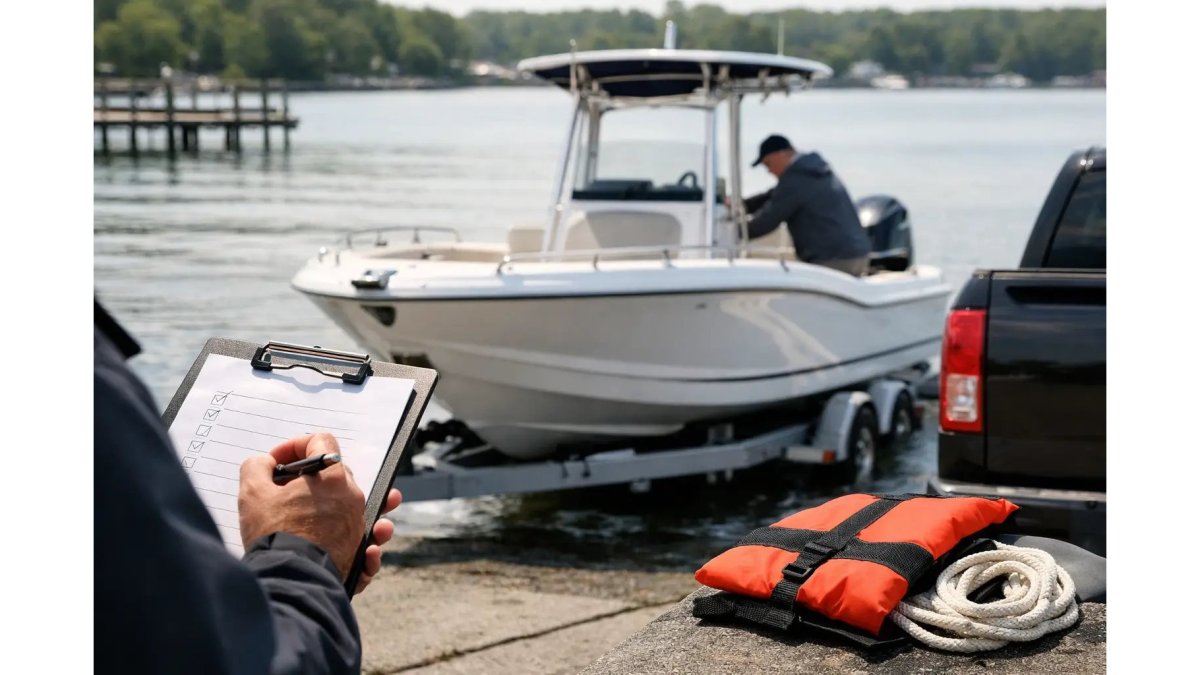
Affordable marine gear for center consoles starts with safety, lighting, and corrosion protection. Compare real prices and find gear that fits your layout.