
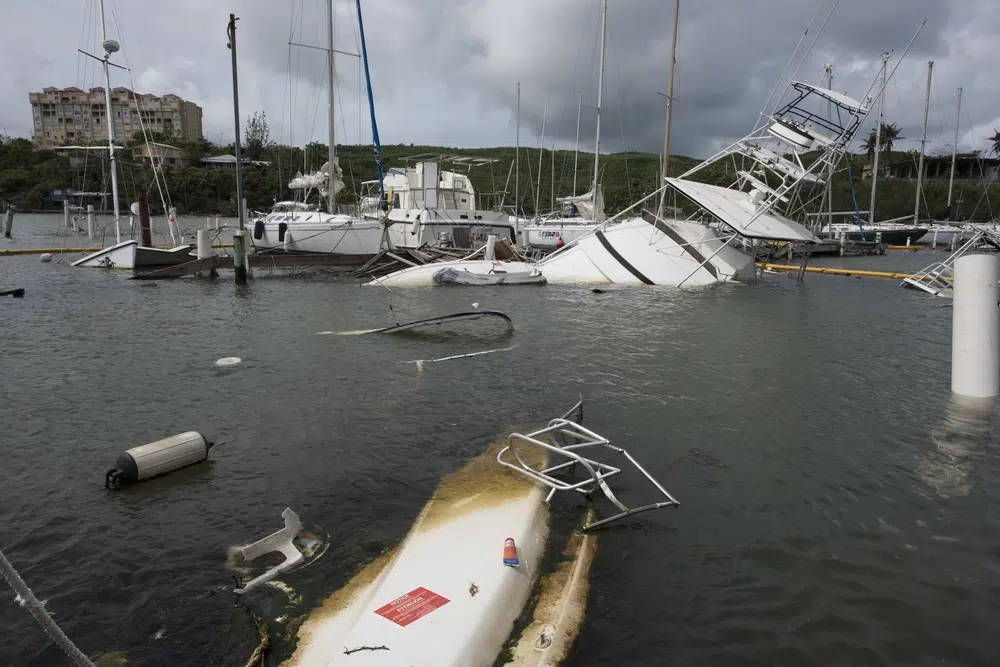
Best Boat Insurance for Florida Boat Owners
A good day on the water can turn expensive fast when a lower unit meets an unmarked obstruction, a storm

By BMC William Balcerski, USCG (ret.) / Founder, Boatsman’s.com
With new boat prices skyrocketing, recent trends show that more people are keeping, restoring, and maintaining older boats. However, the fastest way to turn a good boating season into an expensive headache is buying the wrong used boat for the right price. If you’re figuring out how to buy a used boat, the goal isn’t just to find a deal. It’s finding a boat that fits the way you use the water – and one that won’t surprise you with major repair bills after the first weekend.
A lot of buyers start with length, horsepower, and shiny upholstery. Experienced boaters usually start somewhere else. They think about where the boat will live, how often it will run, who will be on board, and what maintenance they’re realistically willing to take on. That’s the smarter starting point, especially in Florida and other coastal markets where salt, sun, and storage conditions can tell you a lot about a boat’s real condition.
Start with the right kind of boat
Before you inspect anything, get honest about your use case. A bay boat, center console, dual console, pontoon, and cabin boat can all be “good boats” while being completely wrong for your needs. If you mostly fish inshore with one or two people, a simple center console may serve you better than a larger family cruiser with systems you’ll rarely use. If your weekends are more sandbar and sunset than offshore runs, comfort and layout may matter more than top-end speed.
This is where many used-boat purchases go sideways. Buyers stretch for features they think they should want instead of buying for how they boat in real life. Bigger boats bring bigger fuel bills, more maintenance, more complicated systems, and higher storage costs. There are times when going larger makes sense, but only if you’re ready for the full cost of ownership.
How to buy a used boat with a realistic budget
The purchase price is just the opening number. A used boat also comes with registration, insurance, trailer work if one is included, engine service, batteries, safety gear, dock lines, electronics updates, cleaning supplies, and often a few immediate repairs the seller either missed or delayed.
A good rule is to leave room in your budget for the first round of catch-up maintenance. Even a well-kept boat may need fresh impellers, filters, fluids, bottom work, pumps, or new tires on the trailer. If you spend every dollar on the sale price, you’ll feel squeezed before the boat ever leaves the ramp.
If you’re financing, keep the monthly payment in perspective. An affordable payment can still hide an expensive boat if the engine is near a major service interval or the hull needs attention. A cheaper used boat with neglected systems is often more expensive than a pricier one with excellent records.
Look at the seller as closely as the boat
The condition of a used boat usually reflects the habits of the owner. A seller who can explain maintenance clearly, produce records quickly, and answer direct questions without getting defensive is generally a better sign than a polished listing with very little documentation.
Ask how the boat was used, where it was stored, how often it was run, and why it’s being sold. None of those answers alone tells the whole story, but together they paint a picture. A boat that sat for long stretches can have different problems than one used regularly. Dry storage, lift storage, trailer storage, and wet slip storage all affect wear in different ways, especially in saltwater.
Clean bilges, organized wiring, labeled batteries, and service receipts usually point to an owner who stayed ahead of maintenance. That doesn’t guarantee perfection, but it lowers the odds that you’re stepping into years of neglect.
What to inspect before you make an offer
Cosmetics matter, but structure and mechanical condition matter more. Faded gelcoat and worn cushions are easier to fix than a soft transom or a tired outboard.
Start with the hull. Look for uneven repairs, stress cracks around high-load areas, gouges, signs of impact, and anything that suggests the boat took more than routine wear. Check the transom carefully for softness or flex and pay attention to deck firmness underfoot. Soft spots can mean moisture intrusion and expensive structural work.
Then move to the engine. Ask for engine hours, service history, and whether major scheduled maintenance has been completed. On an outboard, look for corrosion, fluid leaks, damaged wiring, and poor rigging work. A clean engine isn’t the same thing as a healthy one, but a neglected-looking engine is rarely a great sign.
Test the electrical and plumbing systems too. Pumps, lights, switches, electronics, trim tabs, livewells, washdowns, and bilge functions should all operate properly. On older boats, small electrical issues can lead to bigger wiring problems hiding behind the panel.
If a trailer comes with the boat, inspect it like it’s part of the deal, because it is. Tires, hubs, bunks, brakes, lights, winch strap, and frame rust all matter. Plenty of buyers focus so hard on the boat that they forget the trailer can add a major repair bill before the first tow home.
Paperwork can make or break the deal
A clean boat with messy paperwork is not a bargain. Verify the title status for the boat and trailer where applicable, registration details, hull identification number, and any outstanding loans. Make sure the numbers on the boat match the documents exactly.
Service records are especially valuable because they show patterns, not just promises. An owner who changed fluids, replaced wear items on schedule, and addressed issues early is giving you useful evidence. Verbal reassurance is fine, but paperwork carries more weight.
If the boat has aftermarket electronics, trolling motors, power poles, or other upgrades, ask what was professionally installed and what was done by the owner. Some do-it-yourself work is excellent. Some of it creates electrical gremlins that show up later.
Never skip the sea trial
If you’re serious about learning how to buy a used boat the right way, this is one of the non-negotiables. A sea trial tells you things a driveway inspection never will. You want to see how the engine starts cold, how the boat idles, how it accelerates, how it tracks, how it handles at different trim settings, and whether any alarms, vibrations, smoke, or steering issues show up under load.
Don’t let the seller warm the engine before you arrive. A cold start can reveal a lot. Watch the gauges, listen for irregular idle, and make sure the boat reaches expected RPM and performance for its setup. If it struggles to plane, runs hot, pulls to one side, or shows electrical glitches underway, pay attention.
This is also the time to check the practical stuff. Does the layout work for your crew? Is visibility from the helm good? Can you access storage and batteries without becoming a contortionist? A sea trial is not just about defects. It’s also about fit.
A marine survey is money well spent
For many used boats, especially larger or more expensive ones, a marine survey is one of the smartest dollars you’ll spend. A qualified surveyor can spot structural concerns, moisture issues, aging systems, and signs of damage that most buyers won’t catch on their own.
On outboard boats, you may also want an engine inspection from a trusted marine mechanic. Compression checks, computer diagnostics, and service verification can save you from buying someone else’s expensive problem.
Yes, surveys and inspections cost money. So do transom repairs, fuel tank replacements, and powerhead failures. This is one of those places where trying to save a little can cost a lot.
Negotiating without getting burned
A fair offer should reflect the market, the condition of the boat, including equipment, and any immediate needs uncovered during inspection. Sellers often price with some room to negotiate, but a lowball offer without a reason usually wastes everyone’s time.
It’s better to negotiate from facts. If the trailer needs tires, the engine is due for a major service, the batteries are old, or the survey found issues, those are legitimate discussion points. A solid seller may not slash the price, but they may adjust enough to reflect the real condition.
This is also where discipline matters. If the boat has major structural issues, missing paperwork, or a seller who keeps changing the story, be willing to walk away. There will be another boat. The used market rewards patience more often than speed.
The best used boat is rarely the flashiest one
The smartest purchase is usually a boat with a consistent maintenance history, an honest seller, clean paperwork, and a setup that matches your real boating life. Not the one with the most add-ons. Not the one with the prettiest listing photos. And not always the cheapest one on the screen.
At Boatsman’s, we believe affordable boating starts with good decisions before you ever buy your next piece of gear. Take your time, ask direct questions, and trust what the boat is telling you. The right used boat should make you want to get on the water more often, not spend every weekend chasing repairs.
Safe boating,
William B.
A good day on the water can turn expensive fast when a lower unit meets an unmarked obstruction, a storm
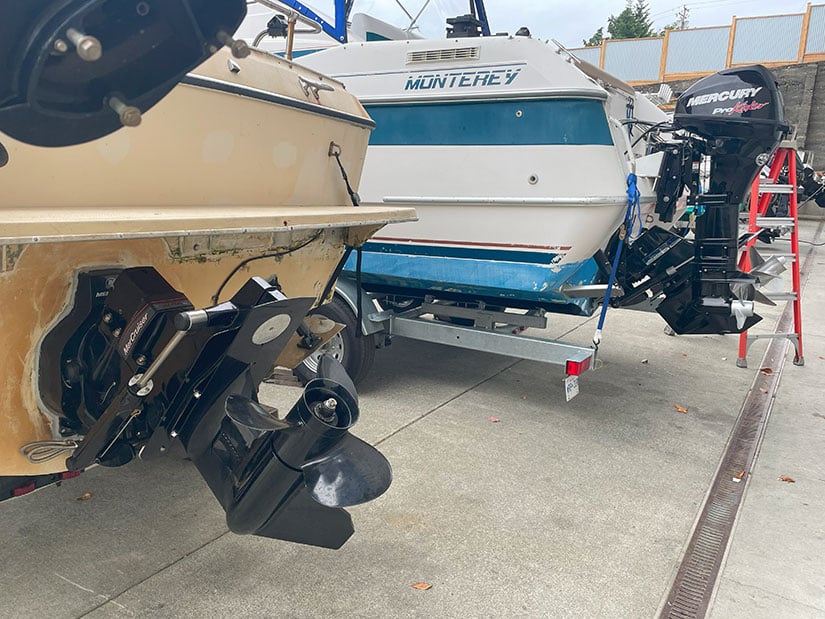
A calm morning at the ramp can make any boat look like the right boat. The real difference shows up