
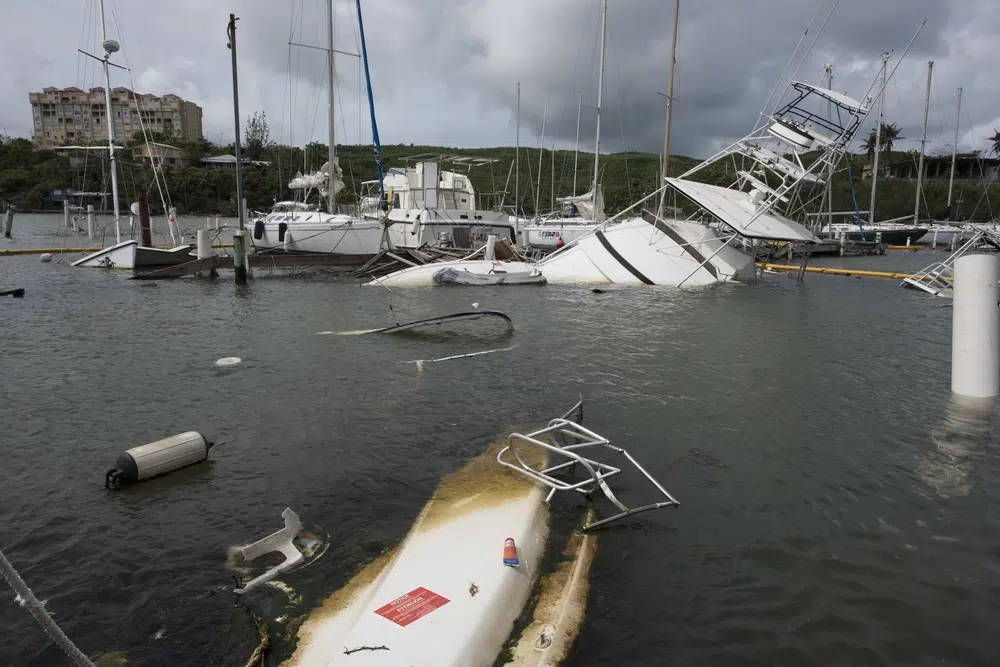
Best Boat Insurance for Florida Boat Owners
A good day on the water can turn expensive fast when a lower unit meets an unmarked obstruction, a storm
A rough-running engine often starts with a problem nobody can see: contaminated fuel. Water, debris, microbial growth, and deteriorating fuel can all find their way into a boat’s tank, especially in Florida’s heat and humidity. This marine fuel filtration guide covers the practical decisions that keep clean fuel moving to your engine and help you avoid losing a good day on the water to a preventable issue.
Fuel on a boat lives a harder life than fuel in a car. It may sit for weeks between trips, endure temperature swings at the dock, and collect moisture through tank venting. A compromised fuel fill cap, an aging hose, or a careless fuel stop can also introduce contamination. The result is often water at the bottom of the tank, stirred-up sediment in rough conditions, or clogged filters when you need power most.
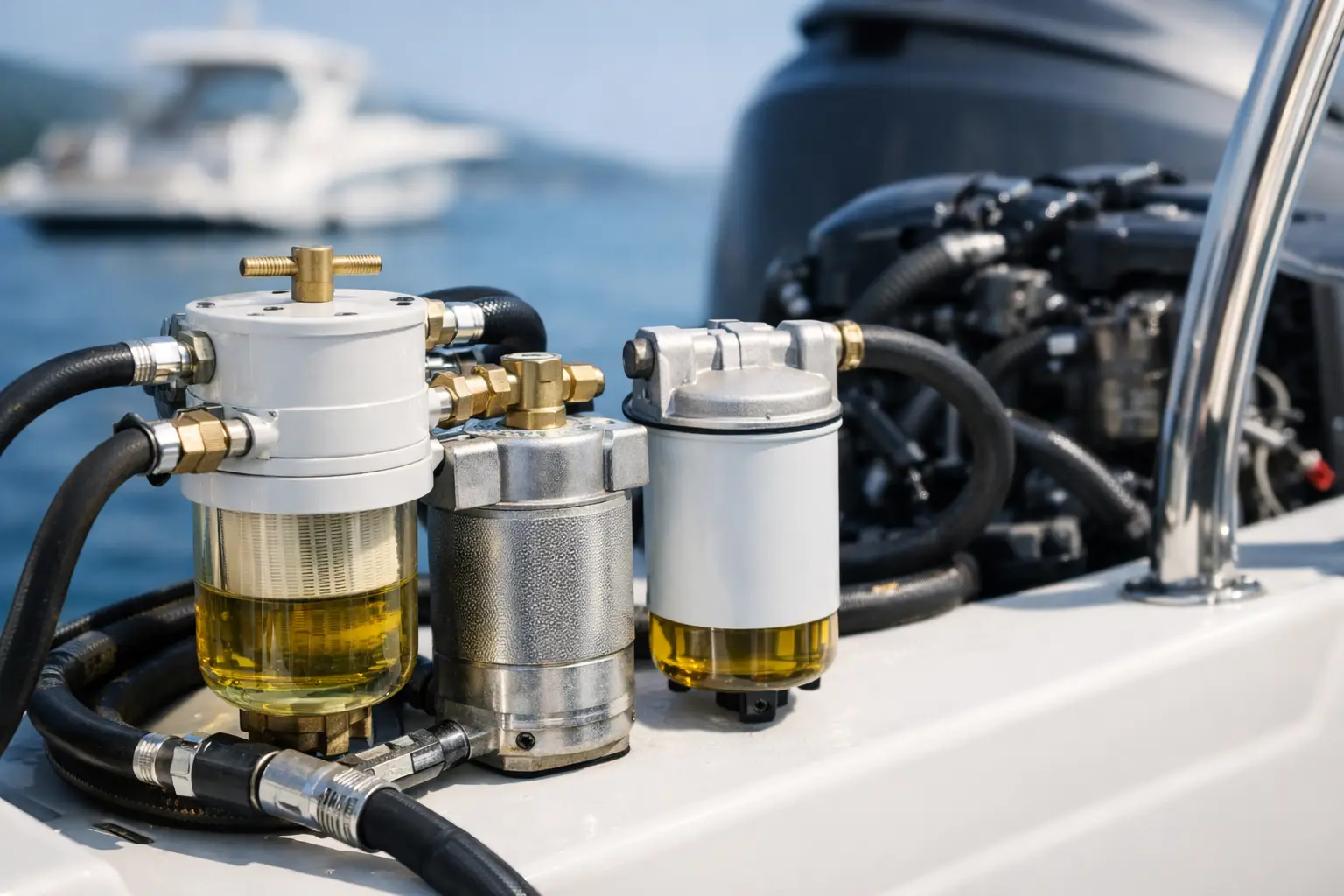
Most outboard and inboard systems use two stages of filtration. The primary filter is commonly a spin-on fuel-water separator installed between the tank and engine. Its job is to remove free water and larger debris before fuel reaches the engine. The engine then has a secondary, finer filter, often located under the cowling on an outboard or on the engine itself.
That two-stage approach matters. The primary separator protects the fuel system and gives you a serviceable place to catch water. The engine-mounted filter provides the final level of protection for sensitive fuel injectors, carburetors, or high-pressure components. Skipping either one is a false economy.
The right filter is not simply the one that threads onto the mounting head. It must match the fuel type, engine fuel demand, hose connections, and the manufacturer’s recommendations.
Gasoline and diesel systems face different risks. Gasoline engines are especially vulnerable to water and phase separation in ethanol-blended fuel. When ethanol absorbs enough moisture, it can separate from the gasoline and leave a water-heavy ethanol layer near the bottom of the tank. A separator can remove free water, but it cannot reverse severe phase separation. In that case, the tank needs professional attention and the bad fuel must be removed.
Diesel fuel does not have the same ethanol concern, but it can develop water contamination and microbial growth. The bacteria and fungi often called diesel bug grow at the boundary between fuel and water. They create dark sludge that quickly plugs filters and can spread through the system. A recurring black or brown filter problem deserves more than another filter change. It calls for tank inspection, fuel treatment where appropriate, and possibly fuel polishing.
Your engine manual remains the authority on approved filter types and service intervals. This is particularly important for newer electronically controlled engines, where an incorrect filter or fitting can restrict supply and create trouble that looks like an engine failure.
A micron rating describes the size of particles a filter is designed to capture. Lower numbers mean finer filtration, but finer is not automatically better. A filter that is too restrictive for the fuel flow required can starve an engine at higher rpm.
For many recreational gasoline applications, a 10-micron primary fuel-water separator is a common choice. It does a good job of protecting the engine-mounted filter without becoming the sole fine-filtering stage. Diesel systems may use a sequence of filters with different ratings, often using a coarser primary filter and a finer secondary filter. The correct arrangement depends on the engine manufacturer and fuel-system layout.
If you run twin engines, each engine should normally have its own separator and fuel supply path unless the builder and engine manufacturer specify a different setup. One filter serving two engines can become a bottleneck and make troubleshooting much harder.
A filter needs enough flow capacity for the engine at wide-open throttle, not merely enough for idling at the slip. Check the filter assembly’s rated flow against your engine’s fuel-demand specification. This is especially worthwhile on high-horsepower outboards, diesel sportfishing boats, and boats with long fuel runs.
Use components rated for marine gasoline or diesel service. Gasoline systems require parts suitable for a fire-prone environment, and every fitting must be secure and compatible with the hose and filter head. Do not mix thread types or force fittings that almost fit. A small air leak on the suction side may not drip fuel, yet it can still cause hard starting, stumbling, or fuel-pressure issues.
A fuel-water separator should be mounted upright, accessible, and protected from physical damage. Accessibility is not a convenience issue. If you cannot reach the bowl, drain, or spin-on element safely, routine inspection is postponed until a problem arises.
Choose a solid bulkhead or stringer location away from heat sources, moving equipment, and areas where bilge water is likely to collect. Keep the assembly close enough to the tank to intercept contamination early while adhering to the engine maker’s requirements for lift, line length, and placement. On many small outboard boats, the transom area or a dry compartment near the tank is practical, provided it remains easy to service.
Install the filter head with the fuel-flow direction clearly identified. Use marine-rated fuel hose of the correct diameter, support it to prevent chafe, and avoid sharp bends that can collapse or restrict the line. Prime the system according to the engine instructions before starting. Then inspect every connection carefully for fuel leaks and, where applicable, signs of air entering the system.
For gasoline boats, treat fuel-system work with respect. Shut down engines, eliminate ignition sources, ventilate enclosed spaces, and keep a proper fire extinguisher close by. If the installation requires changes to fuel lines, anti-siphon valves, or tank fittings, a qualified marine technician is the sensible choice.
There is no single calendar interval that fits every boat. A trailer boat used twice a month with fresh fuel may go a full season without a clogged primary filter. A charter boat, an offshore fishing boat, or a vessel with an older tank may require much closer attention.
At a minimum, inspect the primary filter at the start of the season, after a questionable fuel purchase, after extended storage, and whenever the engine shows signs of fuel restriction. Those signs include a loss of top-end power, surging under load, difficulty starting, repeated stalling, or a fuel-pressure alarm.
If your separator has a clear bowl, look for a distinct layer of water or sediment. Drain water promptly into an approved container and dispose of it according to local rules. A clear bowl is useful for inspection, though a metal bowl may be preferred or required in certain locations and installations. Always follow the filter and engine manufacturer’s guidance.
When replacing a spin-on filter, clean the mounting area first to prevent dirt from entering the fuel path. Lightly lubricate the new gasket with clean fuel or the lubricant recommended by the manufacturer. Screw it on by hand and follow the specified tightening instructions. Overtightening can damage the gasket or make the next service unnecessarily difficult.
Do not prefill a gasoline filter unless the manufacturer specifically directs you to do so. Spilled fuel is a real hazard. Diesel filters are sometimes primed as part of the prescribed bleeding procedure, but the right method varies by engine. After service, run the engine and check for leaks before leaving the dock.
A filter that plugs once may have done exactly what it was supposed to do. A filter that plugs again shortly afterward is telling you something about the fuel supply.
Repeated water in the separator can indicate a leaking deck fill, a damaged O-ring, a missing cap seal, or water entering through a vent. Repeated sediment may come from an aging tank, deteriorating fuel hoses, or debris introduced during fueling. On diesel boats, dark slime or a sour odor can indicate microbial contamination. Replacing filters without addressing the source turns a maintenance item into a recurring breakdown.
Keep a simple log of filter changes, drained water, fuel purchases, and engine symptoms. That record helps you spot patterns and gives a technician useful information if the problem moves beyond routine service. It also helps separate a fuel issue from ignition, air, or mechanical problems that can feel similar at the helm.
Clean fuel is one of the least glamorous parts of boat ownership, but it pays off every time the engine lights quickly, holds rpm in a head sea, and brings you home without drama. Make filter checks part of your pre-season routine, carry the correct spare element and tools aboard, and give any repeat contamination the attention it deserves before the next run offshore.
Safe boating,
William B.
A good day on the water can turn expensive fast when a lower unit meets an unmarked obstruction, a storm
A calm morning at the ramp can make any boat look like the right boat. The real difference shows up