
Best Boat Insurance for Florida Boat Owners
A good day on the water can turn expensive fast when a lower unit meets an unmarked obstruction, a storm
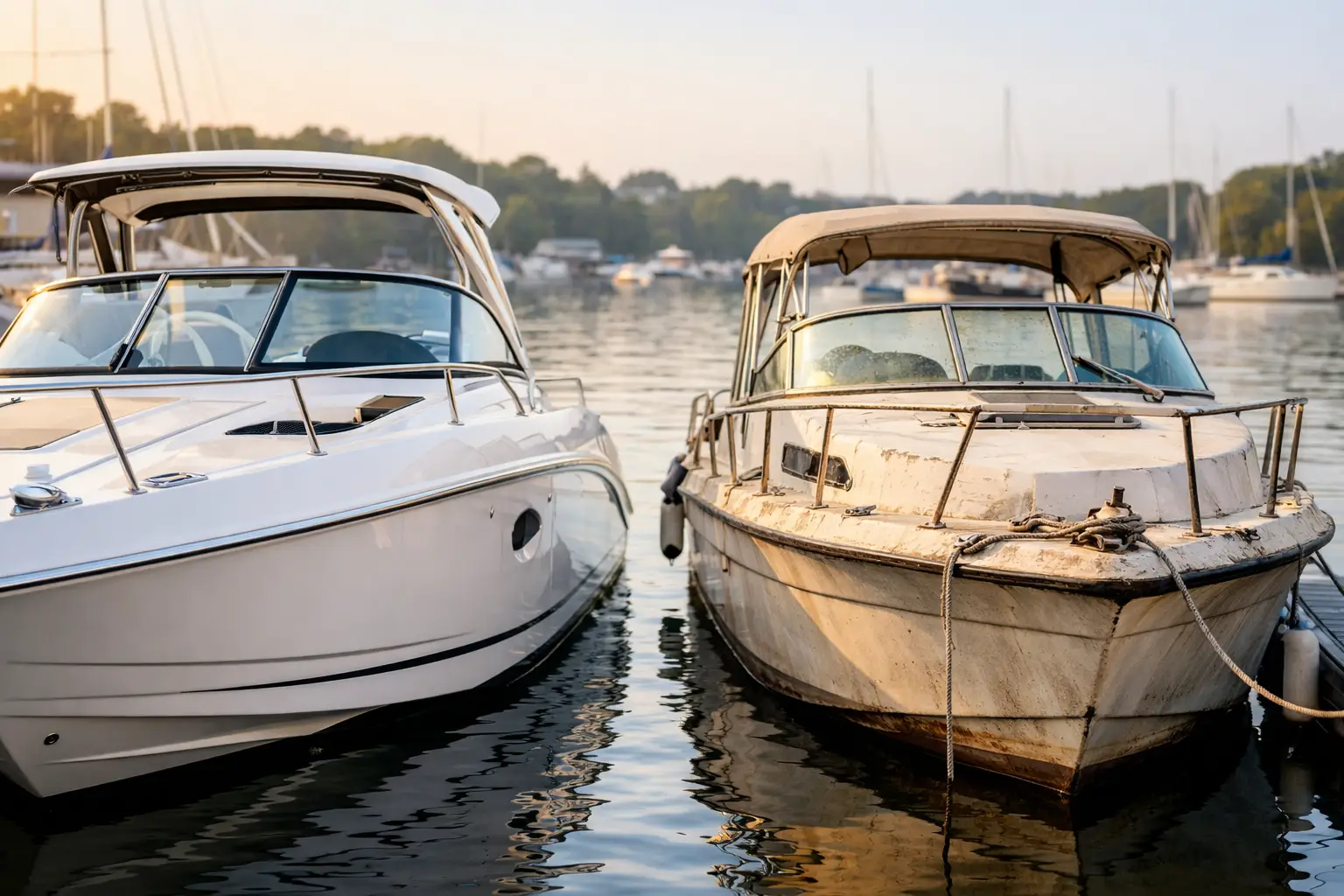
Happy 4th of July Weekend! A lot of boat buyers picture the fun part first – a clean wake at sunrise, a livewell full by noon, family aboard on a calm Florida afternoon. Then the real question shows up: new boat versus used. That choice shapes not just what you pay up front, but how much time, maintenance, and uncertainty you take on after the sale.
There is no one-size-fits-all answer here. A brand-new boat can give you confidence, warranty coverage, and the exact features you want. A used boat can stretch your budget, reduce depreciation, and get you on the water for a lot less. The right call depends on how often you boat, how comfortable you are with repairs, and how much risk you are willing to accept.
Most buyers start with price, but risk is usually the better place to begin. A new boat generally offers more predictability. The engine hours are low or zero, the systems have not been subjected to years of salt, sun, or storage errors, and factory warranties may cover major components. If you want to spend more weekends boating than troubleshooting, that matters.
A used boat costs less to buy, but it can come with unknowns. Even a boat that looks clean at the dock may have wiring issues, neglected pumps, hidden moisture, or an engine that was not serviced on schedule. Some used boats are excellent values. Others are cheap for a reason. That is why the used market rewards careful buyers and punishes rushed ones.
For many experienced boaters, the trade-off is simple. New means you pay more to reduce surprises. Used means you accept more uncertainty in exchange for savings.
The obvious benefit of a new boat is condition. You are starting with fresh upholstery, unworn hardware, current electronics, and a hull that has not spent years baking under the sun. That sounds basic, but in the marine world, age and exposure change everything.
You are also paying for warranty support. If a steering component fails, a screen goes dark, or a pump quits early, you may have coverage through the builder, the engine manufacturer, or both. For boaters who are not interested in chasing parts, arguing with repair shops, or diagnosing electrical gremlins, that support has real value.
Another advantage is choice. With a new boat, you can often select layout, power, color, electronics, seating, and fishing features that match how you actually use the boat. If you fish offshore, that may mean leaning-post upgrades, increased battery capacity, or specific navigation electronics. If you cruise with family, comfort and shade may rank higher than rod storage.
The downside is not just the sticker price. New boats depreciate, especially in the early years. If you finance one, higher purchase price usually means higher monthly payments, insurance costs, and sales tax. In some cases, you may be paying for features you think you need but rarely use once real boating habits settle in.
A good used boat can be the sweet spot in boating. Someone else took the biggest depreciation hit, and you may get solid equipment for much less than current model pricing. That can leave room in the budget for safety gear, upgraded electronics, maintenance, storage, or a better tow vehicle.
Used boats also let buyers step into a class of boat that might be out of reach if purchased new. Instead of settling for a smaller entry-level model, you may be able to afford a better-built hull, a more capable center console, or a boat with a stronger engine package by shopping pre-owned.
There is another practical benefit. Many used boats come with useful extras already installed. Trailer upgrades, anchors, lines, fenders, trolling motors, fish finders, and covers can add up fast when bought separately. On a used package, some of that expense may already be baked into the deal.
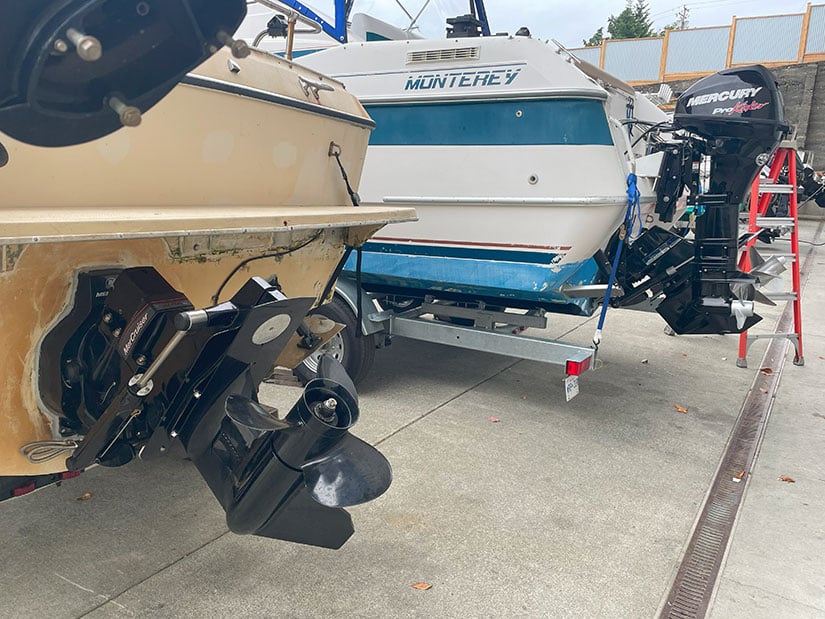
Still, buying takes discipline. Cosmetic shine can hide expensive problems. Service records matter. A marine survey matters. Compression checks matter. On an outboard-powered boat, engine hours help tell the story, but hours alone do not prove proper care. A lower-hour engine that sat neglected can be a worse bet than a higher-hour engine maintained by the book.
If you only compare sale prices, you miss the full picture. The smarter comparison is total cost over the next three to five years.
A new boat usually comes with a higher upfront cost but a lower risk of early repairs. Routine maintenance still applies, of course. You still have to flush, clean, inspect, service, and protect every system. Saltwater does not care whether your boat is brand new. But major failures are less likely early on.
A used boat may save you a big amount on purchase price, yet it may require catch-up spending right away. Tires on the trailer may be aged out. Bilge pumps may work until they do not. Batteries may test fine one week and fail the next. Upholstery, canvas, wiring, and plumbing can all be added as line items after closing.
Insurance can vary too. Some insurers view newer boats with modern systems and known values more favorably, while older boats may require more documentation or inspections. Financing can also be easier on newer models, with better rates and terms in some cases.
That is why budget-minded buyers should avoid focusing only on the deal. A cheap boat that needs immediate work is often not cheap at all.
If boating time is limited and reliability matters most, new often wins. The buyer who works all week and gets only a handful of prime weekends each month may not want those days consumed by repairs or parts delays. If your goal is dependable family time, clean rigging, and fewer unknowns, new earns its premium.
New also makes sense if you plan to keep the boat for a long time. Spreading that upfront cost across many years of ownership can soften the sting, especially if you maintain the boat well from day one. The longer you keep it, the less those early years of depreciation dominate the math.
It can also be a better fit for buyers who want current technology. Modern outboards, integrated electronics, improved fuel efficiency, and updated hull designs are not just marketing points. Depending on the boat, they can improve ride quality, range, safety, and usability.
Used is often the smart play for first-time owners. It gives you room to learn what kind of boating you actually do before committing major money. A lot of people think they want one style of boat, then discover their habits point somewhere else after a season or two.
It also makes sense for hands-on boaters who know how to inspect systems, perform maintenance, or manage repairs without panic. If you are comfortable replacing pumps, chasing wiring issues, and staying ahead of preventive service, a used boat can deliver serious value.
Used can be ideal for buyers who want capability over showroom polish. A clean ten-year-old boat with a strong maintenance history may be a better real-world choice than stretching for a new model that leaves no room in the budget for gear, safety equipment, or proper upkeep. That is where practical boaters tend to make better decisions than emotional shoppers.
Whether you buy new or used, the best approach is to be honest about how you boat. Think about where you run, how often you go, who comes with you, and what level of maintenance you can realistically handle. Buying too much boat is common. Buying the wrong kind of boat is even more common.
If you are learning new, pay close attention to warranty details, dealer support, engine package, and standard equipment versus add-ons. A good price on paper can get less attractive once fees and options stack up.
If you are leaning used, slow down and inspect everything. Ask for service records. Check the trailer carefully. Look for corrosion, soft spots, poor wiring, and signs of long-term neglect. Get a marine survey and engine inspection before money changes hands. That step alone can save thousands.
At Boatsmans, we have seen plenty of boaters make either path work well. The common thread is not luck. It is buying with clear eyes and planning for ownership, not just purchase day.
The best boat is rarely the newest or the cheapest. It is the one that fits your budget, your confidence level, and the way you actually spend time on the water.
Safe boating,
William B.
A good day on the water can turn expensive fast when a lower unit meets an unmarked obstruction, a storm
A calm morning at the ramp can make any boat look like the right boat. The real difference shows up