
Best Boat Insurance for Florida Boat Owners
A good day on the water can turn expensive fast when a lower unit meets an unmarked obstruction, a storm
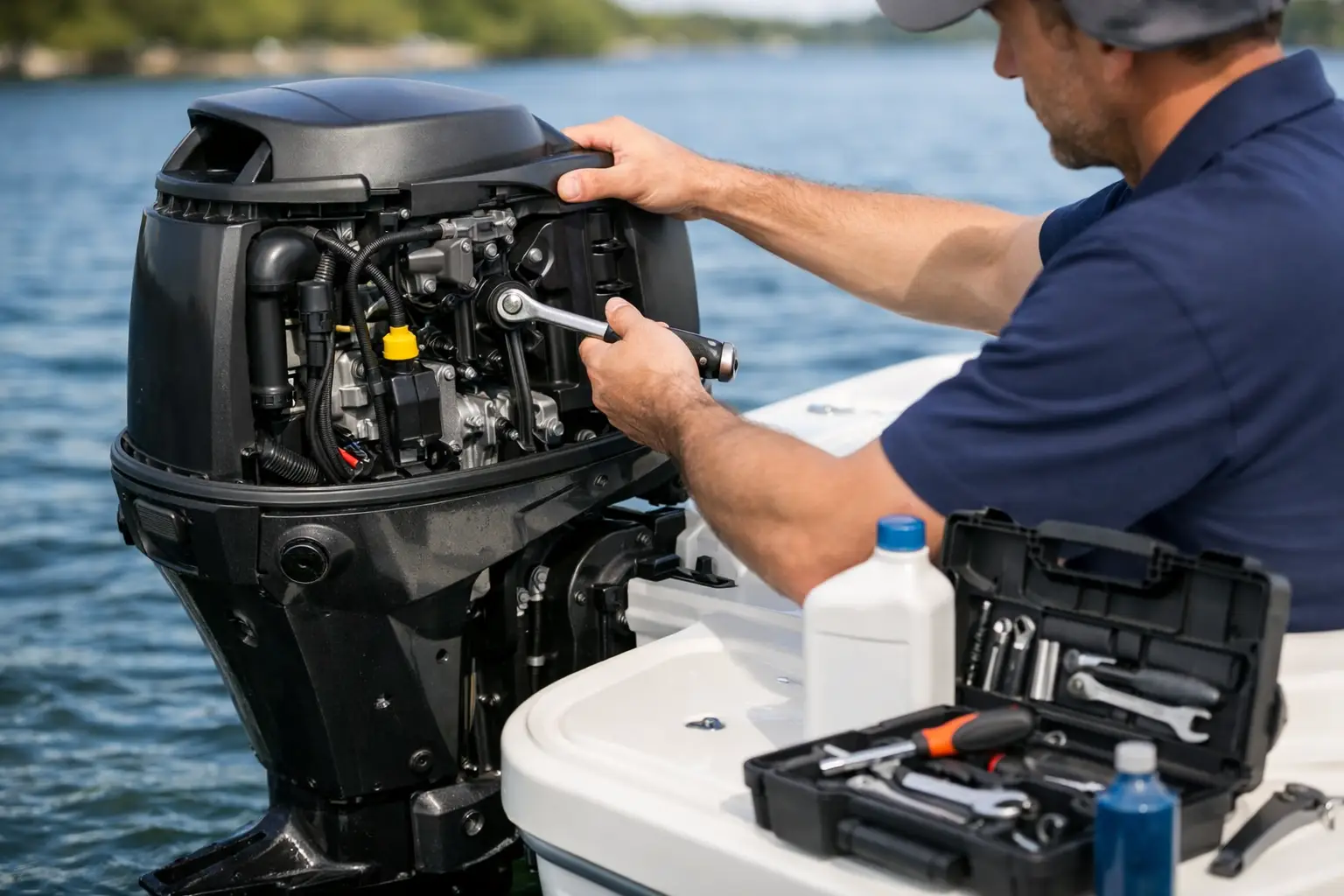
There is nothing worse than breaking down at sea. In the Coast Guard, we were spoiled. We had amazing people who specialized in maintenance, keeping our boats running strong all year long. In some places, they had government contractors that would come and do the maintenance for us. If an engine were needed, they would just swap it out. Like I said. We were spoiled. But when you own your own boat, you are that person, unless you hire someone to handle the maintenance. That outboard that fires right up at the dock can turn into a long day fast if maintenance keeps getting pushed to “next weekend.” A smart outboard motor maintenance schedule is less about checking boxes and more about avoiding the kind of small problems that strand boats, ruin trips, and lead to expensive repairs later.
For most recreational boaters, the goal is simple – dependable starts, steady performance, and no ugly surprises when the weather is right, and the bait is moving. The good news is that outboard maintenance is not complicated if you break it into intervals that match how boats are actually used. Saltwater use, long idle periods, hard summer running, and off-season storage all change what your engine needs and when it needs it.
Outboards live a rough life. They deal with heat, vibration, moisture, fuel that can sit too long, and in many Florida and coastal markets, salt. Even a well-built engine will start to show wear if basic service is delayed.
The biggest mistake many owners make is waiting for a symptom. By the time you notice hard starting, weak cooling flow, rough idle, or poor fuel economy, the issue has usually been building for a while. A maintenance schedule helps you catch the cheap, easy fixes before they become shop bills.
It also helps with resale value. A used boat with records showing regular impeller service, gearcase oil changes, and fuel system care is a different conversation than one with a shrug and “it ran fine last season.”
Not every outboard follows the same calendar. A bay boat used every weekend in saltwater needs more attention than a freshwater runabout that sees light seasonal use. Manufacturer recommendations should always come first, but a practical schedule usually combines engine hours with time-based service.
If you boat often in saltwater, run long distances, fish offshore, or store your boat outside, lean toward shorter service intervals. If your engine sits for weeks at a time, fuel condition and corrosion become just as important as running hours.
As a rule, think in four layers: after each trip, monthly during the season, every 100 hours or annually, and seasonal storage service.
The shortest interval in your outboard motor maintenance schedule is also one of the most important. A few minutes at the ramp or back at the house can save a lot of money.
If you run in saltwater or brackish water, flush the engine according to the manufacturer’s procedure. That helps remove salt deposits that can restrict cooling passages over time. While you are there, look at the telltale stream. If water flow looks weak or inconsistent, don’t ignore it. That can point to debris, blockage, or an impeller beginning to fail.
Give the engine a quick visual check. Look for fuel leaks, loose fasteners, cracked hoses, fishing line around the prop shaft, and any fresh oil residue. Prop damage also deserves attention right away. A small ding may not seem serious, but vibration can lead to bigger drivetrain issues if it is left alone.
Wipe down external surfaces and inspect for corrosion. In coastal areas, salt does not need much time to start working on exposed metal. A quick rinse and dry is basic care, not overkill.
Monthly service is where many owners can prevent midseason headaches. You do not need a full tear-down, but you do need a closer look than the quick post-trip rinse.
Check engine oil on four-stroke outboards and inspect for any change in color, level, or smell. Milky oil can suggest water intrusion. Fuel-diluted oil can point to another problem entirely. Two-stroke owners should instead check oil reservoir levels, oil lines, and connections.
Inspect the battery, terminals, and cable connections. A lot of “engine problems” are really voltage problems. Corroded terminals, weak batteries, and loose connections are common and easy to overlook.
Look at fuel lines, primer bulbs, and filters. Ethanol-blended fuel has caused plenty of trouble in marine engines, especially when boats sit. Hoses that feel brittle, bulbs that crack, or filters that show contamination should be replaced sooner rather than later.
This is also a good time to check steering movement, throttle response, and shift operation. If controls feel stiff or inconsistent, address it early. Waiting rarely makes control issues cheaper.
For many boaters, this is the core of the outboard motor maintenance schedule. Even if you do not hit 100 hours, annual service still matters because fluids, rubber parts, and fuel do not care much whether the boat is moving.
On four-stroke outboards, fresh engine oil and a new filter are standard annual items. Oil breaks down with heat, use, and contamination. If you troll a lot, idle for long periods, or make short runs, annual oil changes are especially important because those operating patterns can be harder on oil than people realize.
Lower unit service is not glamorous, but it is critical. Gearcase oil should be changed and inspected for metal particles or water contamination. If the oil looks milky, that points to a sealing problem that should be handled before it damages gears and bearings.
Spark plugs are a relatively low-cost service item that can affect starting, idle quality, and fuel burn. Some plugs last longer than others, and service intervals vary by engine, but annual inspection is a safe habit.
This can include replacing fuel filters, checking the water-separating filter, and inspecting the tank vent and lines. For boats used in humid coastal climates, water in fuel is not rare. Catching it at filter service is a lot better than finding it when the engine stumbles offshore.
Lubrication points on the steering tube, pivot points, and linkages need regular grease. This is one of those tasks that feels minor until steering gets stubborn or corrosion locks parts in place.
Ask a few mechanics what gets neglected most often, and the impeller will be high on the list. Many manufacturers recommend replacing the water pump impeller every 2 to 3 years, sometimes sooner depending on use. If you run in sandy areas, shallow water, or muddy conditions, shorter intervals make sense.
An impeller can look fine and still be losing efficiency. Waiting for an overheat alarm is a poor strategy. Replacing an impeller on schedule is much cheaper than repairing heat damage to the powerhead.
A complete maintenance routine is not only about the engine block. Pull the prop periodically and inspect for fishing line wrapped around the shaft. That line can damage seals and let water into the lower unit. Reinstalling the prop with the right grease also helps prevent it from seizing in place.
Check sacrificial anodes and replace them when they are significantly worn. In saltwater, anodes do real work. If they are gone, corrosion starts looking for more expensive metal.
Pay attention to engine mounting hardware, electrical connections, and bonding points too. Corrosion often starts quietly. A little white or green buildup today can become a real electrical problem by next season.
If the boat will sit for more than a few weeks, storage prep should be on your schedule. Fuel should be stabilized if it will remain in the system. Some owners prefer to keep tanks full to reduce condensation, while others follow the engine and boat manufacturer’s guidance for their setup. The right move can depend on tank material, storage conditions, and local climate.
Fogging, battery maintenance, and protecting internal engine components may also be part of the process depending on engine type and storage duration. At minimum, do not put the boat away with old fuel, salt residue, and unresolved service issues. They do not improve with time.
Much of the routine outboard care is well within reach for hands-on owners. Flushing, basic inspection, battery care, plug checks, filter replacement, and fluid changes can often be handled at home with the right tools and a service manual.
That said, there is no prize for guessing your way through a cooling issue, electrical fault, or lower unit seal problem. Modern outboards are reliable, but many are also more complex than older carbureted engines. If you are seeing alarms, inconsistent engine operation, metal shavings in the gear oil, repeated fuel issues, or signs of overheating, a qualified marine technician is worth a call.
A good maintenance schedule is really about consistency. Keep a log of dates, engine hours, parts replaced, and anything that looked unusual. That habit alone helps you spot patterns and stay ahead of trouble.
When your outboard gets regular attention, it rewards you with the kind of reliability every boater wants – turn the key, leave the dock, and focus on the water instead of wondering how to get back to the dock.
Safe boating,
William B.
A good day on the water can turn expensive fast when a lower unit meets an unmarked obstruction, a storm
A calm morning at the ramp can make any boat look like the right boat. The real difference shows up