
Best Boat Insurance for Florida Boat Owners
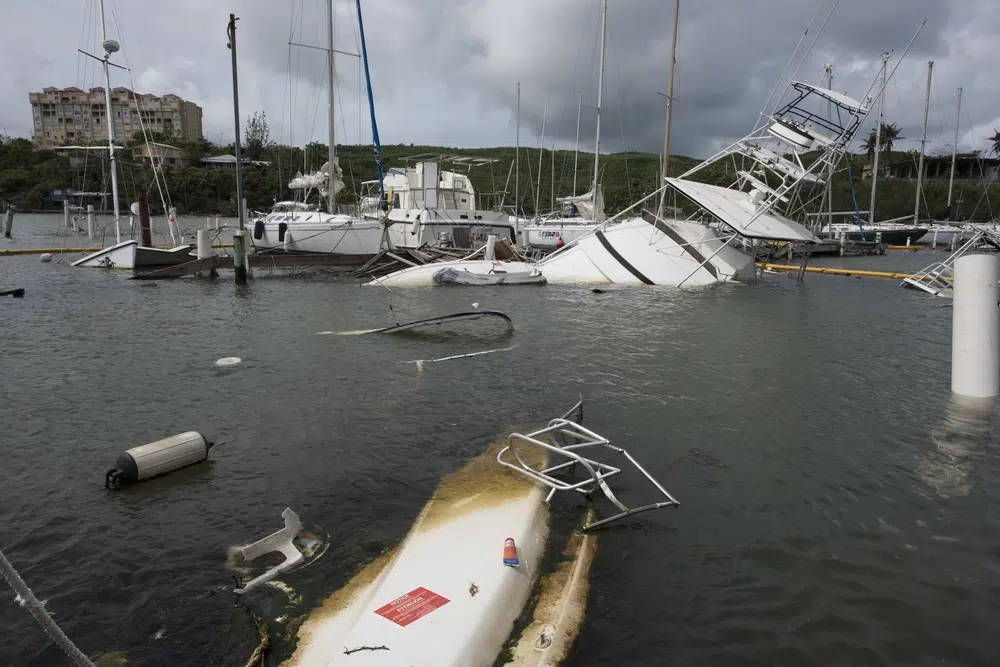
A good day on the water can turn expensive fast when a lower unit meets an unmarked obstruction, a storm
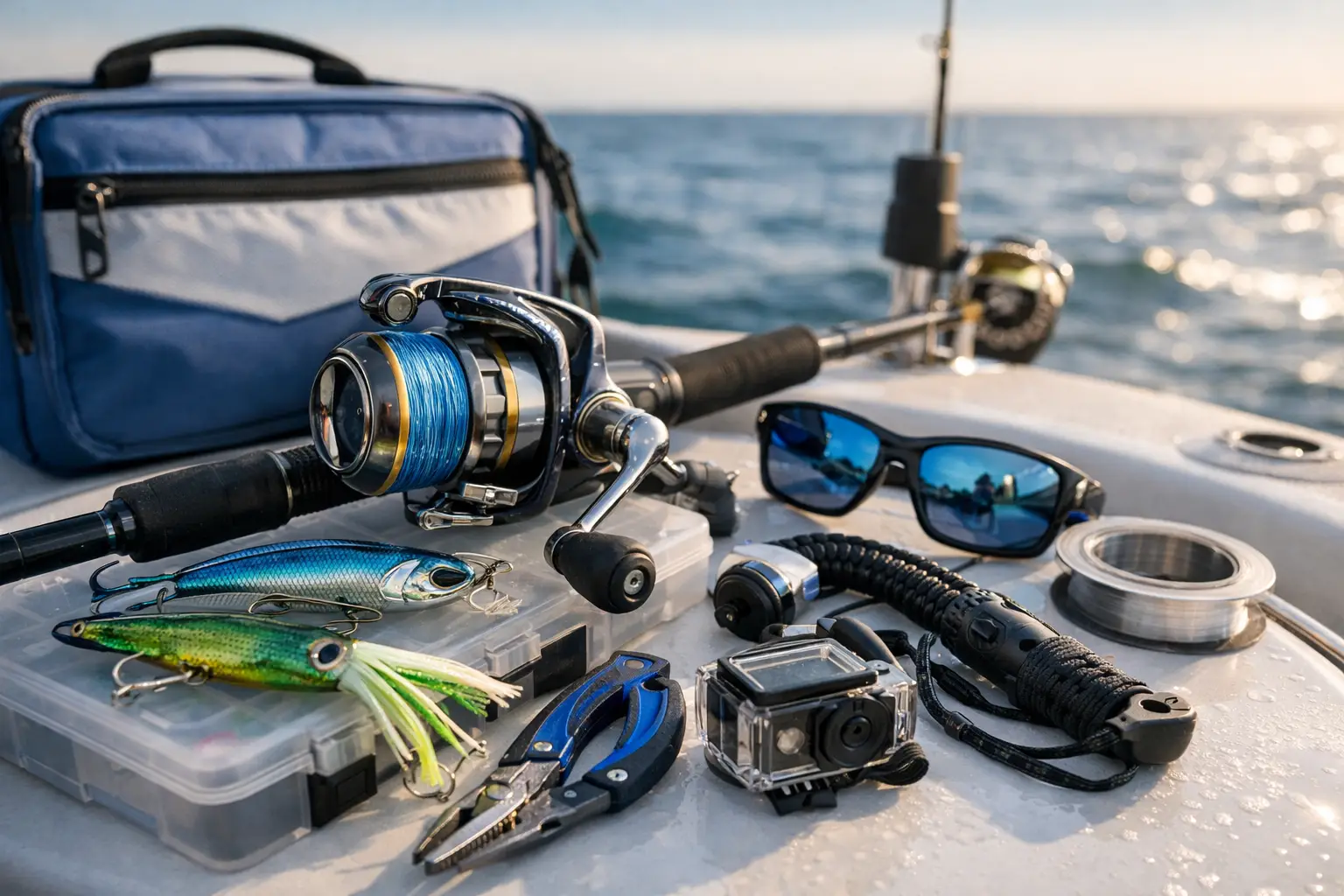
It’s the perfect day. The sun’s out, the seas are calm, you’re sitting off of “rock bottom” near Islamorada, and then you realize you brought the wrong gear. Ugh. The best saltwater fishing accessories usually reveal themselves right after something goes wrong. A hook rusts overnight. Pliers seize up when a fish is boatside. Your phone gets soaked, your deck gets slick, and the one tool you need is buried under a pile of gear. Good accessories do not make the trip flashy. They make it smoother, safer, and a whole lot less frustrating.
That matters even more in saltwater. Offshore spray, humidity, fish slime, sun, and corrosion punish cheap gear fast. For most recreational anglers, the smartest setup is not the biggest pile of equipment. It is a short list of dependable accessories that earn their spot on the boat every trip.
What makes the best saltwater fishing accessories worth buying
In freshwater, you can get away with average hardware longer than you can in the salt. Saltwater exposes every weak hinge, thin coating, and bargain-grade fastener. That is why the best accessories tend to share a few traits: corrosion resistance, simple operation with wet hands, and enough durability to handle regular use without becoming maintenance projects.
There is also a practical side that gets overlooked. The right accessory should save time, reduce mess, protect your main gear, or make handling fish safer. If it does not solve one of those problems, it is probably just taking up space in a hatch.
Material matters here. Aluminum and titanium hold up better than bargain steel, especially around hinges and cutters. A spring-loaded design helps when one hand is busy, and a lanyard is not optional on a boat unless you enjoy donating tools to the reef. More expensive pliers can be worth it if you fish often, but even then, rinse and dry them. Salt finds a way into everything.
Electric knives are great if you regularly clean a lot of fish, but they are not automatically better for every angler. A manual fillet knife gives you more control and less to maintain. Whichever route you choose, pair it with a compact sharpener. A good blade that stays sharp beats a premium blade that gets neglected.
The choice depends on the boat and the kind of fishing you do. A hard dry box works well on center consoles and bay boats where gear gets tossed around. A soft waterproof pouch is easier for kayak anglers or wade fishermen who need something compact. Just make sure seals are trustworthy, and closures are easy to use with wet fingers.
Look for trays with tight gaskets, sturdy latches, and compartments that fit the way you fish. Oversized boxes seem useful until they become clutter bins. Smaller trays sorted by species, depth, or rig type are usually more practical, especially on boats where space disappears fast.
There is a trade-off here. Nets take up more room, while grippers do not work equally well for every species or situation. If you fish with family members or guests, a net is often the more forgiving option. It makes the landing phase calmer, which usually means fewer lost fish and fewer hooks in fingers.
A good pair should improve grip when wet, not make your hands clumsy. Some anglers only wear one glove on their leader hand, and that makes sense if you want dexterity on the other side. Full heavy gloves are not ideal for every task, so think about your fishery. Offshore rigging needs are different from snook fishing around docks.
Dedicated braid cutters with corrosion-resistant blades are usually the best bet for most anglers. Keep them attached where they can be reached quickly. The perfect cutter does no good at the bottom of a console compartment under three life jackets and a cast net.
Lens color matters more than people think. Copper and amber tones are often excellent inshore because they boost contrast. Gray works well in harsh bright conditions offshore. Cheap polarized glasses are better than none, but better lenses usually mean clearer vision, less fatigue, and better durability around salt spray.
Deck boots offer excellent grip and protection, especially for offshore runs, messy cleaning stations, or cooler months. Non-slip fishing shoes are lighter and cooler in Florida heat. The right choice depends on your boat, season, and tolerance for heat, but grip should always come first.
You do not need a giant medical bag for a half-day inshore trip. You do need the basics to be dry, easy to reach, and stocked before the season starts. Add antiseptic, bandages that stay on when wet, tweezers, and tools appropriate for basic hook-removal situations. Better to have it and not need it than to start improvising at the worst time.
A gentle salt-removal rinse, a corrosion inhibitor, and cloths or brushes for cleanup can bring real life back to pliers, reels, knives, and hardware. This is one place where discipline matters more than brand names. The best protectant in the world will not help if the gear sits wet in a compartment for three days.
A headlamp keeps both hands free and is usually the better choice for tying knots or handling gear. A compact waterproof flashlight is a smart backup, especially on larger boats. Red or low-output modes can be helpful when you want light without destroying everyone else’s night vision.
How to choose the right accessories for your kind of fishing
The best saltwater fishing accessories for a flats skiff are not exactly the same as the best setup for an offshore center console. Inshore anglers may get more value from sunglasses, tackle organization, dry storage, and fish-handling tools. Offshore anglers often put more emphasis on deck boots, heavy-duty pliers, gloves, lighting, and bigger landing tools.
Frequency matters too. If you fish twice a year, you probably do not need top-shelf versions of everything. If you fish every weekend, buying better ones is often cheaper than replacing cheap accessories all season. That is where a practical brand like Boatsmans fits the real world – reliable gear at a fair price tends to beat flashy gear that looks good online and disappoints after a few trips.
One more thing worth keeping in mind is storage. Accessories should match your boat’s layout and your own habits. If a tool cannot be secured, rinsed, and found quickly, it is less useful than it looked on the shelf.
The smartest fishing setup is rarely the one with the most gear. It is the one where every accessory has a job, holds up in the salt, and earns your trust when the bite turns on.
Safe boating and fish on.
William B.
A good day on the water can turn expensive fast when a lower unit meets an unmarked obstruction, a storm
A calm morning at the ramp can make any boat look like the right boat. The real difference shows up