
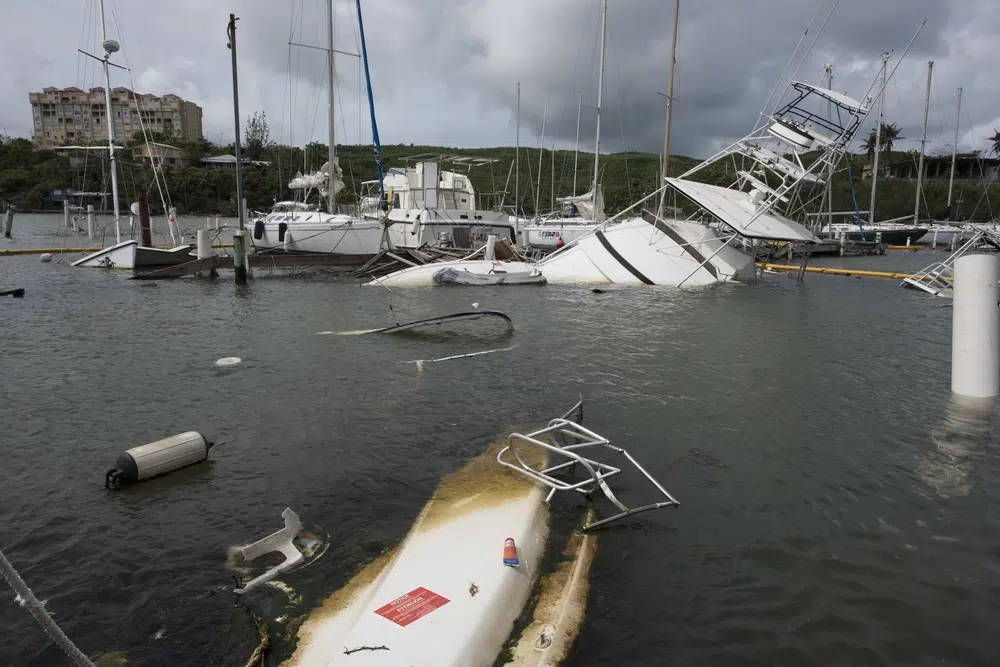
Best Boat Insurance for Florida Boat Owners
A good day on the water can turn expensive fast when a lower unit meets an unmarked obstruction, a storm
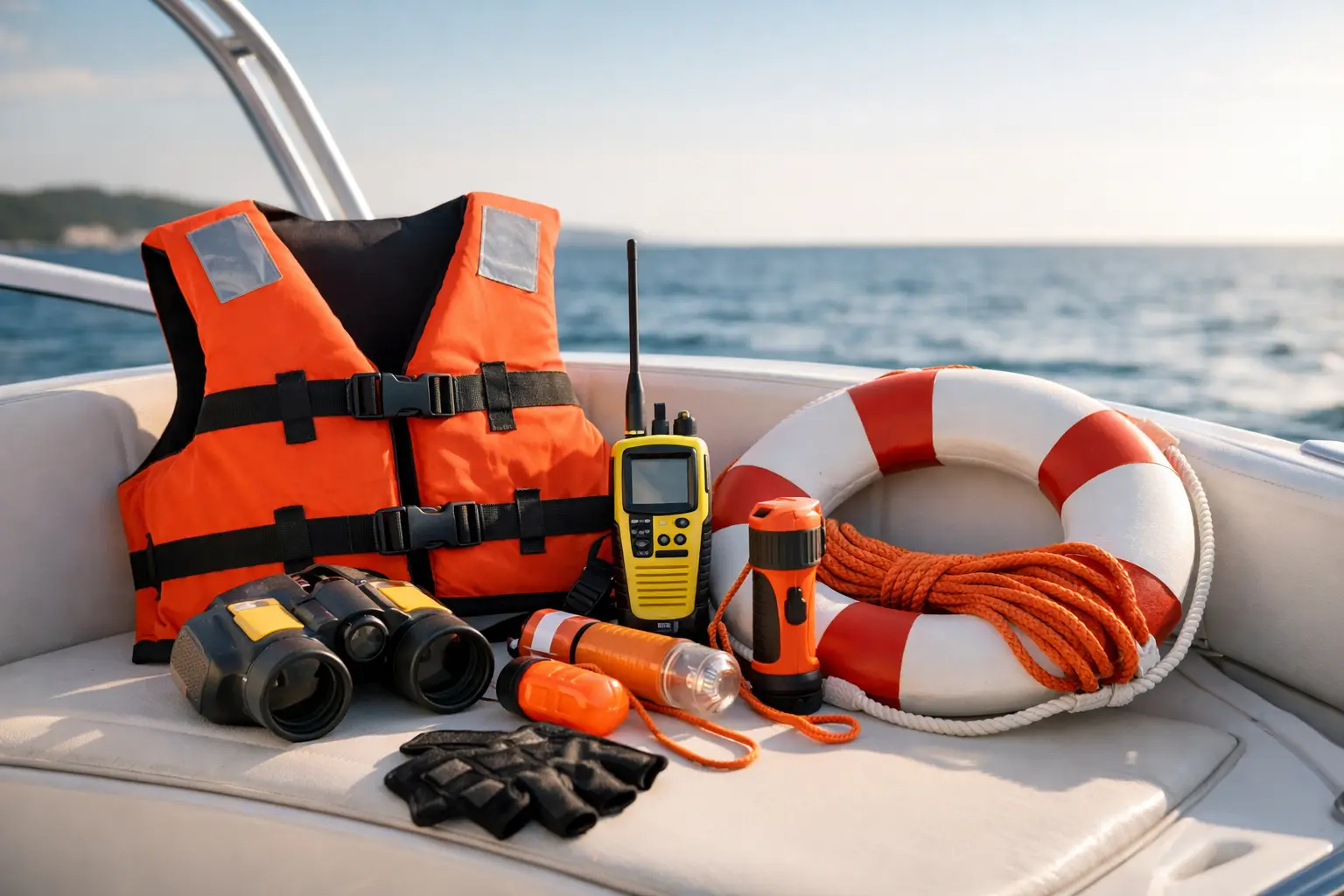
Safety gear is not something that the average boater really gives much thought to. They know they need it; they might know where it is, but have no idea if it’s in good working order. I can tell you from firsthand knowledge that there is no worse feeling than being in a serious situation and having your safety gear fail you. It multiplies the stress. Moreover, A stalled engine two miles off the inlet feels different at sunset than at noon. Add a building chop, a dead phone, or one passenger who has never been on a boat before, and you learn fast that the best boat safety gear is not the flashiest gear on the shelf. It is the gear that works quickly, fits your boat, and makes a bad situation smaller before it turns serious.
That is where a lot of boaters get tripped up. They buy for the inspection checklist, not for the way they actually use their boat. A center console running offshore for kingfish needs a different safety setup than a pontoon on an intracoastal cruise, even though both still need the legal basics. Good safety planning starts with compliance, but it should end with practical readiness.
The short answer is gear that provides flotation, communication, signaling, fire response, water intrusion protection, and basic medical needs. The better answer is gear matched to your boat size, crew experience, and how far you run from help.
For most recreational boaters, the best setup is layered. You want the required equipment on board, but you also want a few key upgrades that close the gap between legal minimums and real-world safety. That is especially true in Florida and other coastal areas where weather can turn quickly, afternoon thunderstorms roll in fast, and traffic on the water can be heavy.
Every boat owner should know the federal and state requirements that apply to their vessel. That means properly sized, Coast Guard-approved life jackets; a throwable flotation device when required; fire extinguishers; visual distress signals where applicable; navigation lights; and sound-producing devices. If your boat is documented or used in specific waters, there may be additional rules worth checking before the season starts.
Still, bare-minimum gear has limits. An old fire extinguisher shoved into a damp compartment might technically be aboard, but that does not mean you want to trust it. A life jacket that fits poorly or sits buried under a pile of beach bags will not help much in a sudden fall overboard. The best safety gear is accessible, up to date, and ready to use without a scavenger hunt.
Life jackets are the first place to spend wisely. Comfortable, properly sized wearable PFDs are far more likely to be used, especially with kids, older passengers, and guests who do not have their sea legs yet. Inflatable models are popular with anglers and boaters who want less bulk, but they are not always the right choice for every passenger or every activity. Traditional foam vests can be hotter and bulkier, but they are simple, reliable, and often better for watersports or rougher use.
A throwable cushion or ring is just as important on boats that require one, but retrieval matters too. If someone goes overboard, being able to throw a flotation device is only part of the equation. A boarding ladder that can be deployed from the water, or at least reached quickly, can make recovery much easier, especially for older adults or anyone fatigued from treading water.
If you regularly boat with less experienced passengers, consider keeping one life jacket in an obvious, easy-grab location instead of stowing every vest out of sight. In an emergency, visibility beats neatness.
Cell phones help, but they are not a full marine communication plan. Coverage can drop, batteries die, and wet phones fail at exactly the wrong time. A fixed-mount VHF radio with Digital Selective Calling is one of the smartest safety upgrades a coastal boater can make. It gives you a stronger transmission range than a handheld and a far better shot at contacting nearby vessels or rescue resources when seconds count.
Handheld VHFs still have real value. They are excellent backups, especially on smaller boats, skiffs, and open layouts where a fixed-mount setup may not be practical. Just remember the trade-off. Handhelds are more portable, but they usually have less range and rely heavily on battery condition.
For offshore runs or long solo trips, an EPIRB or personal locator beacon deserves serious consideration. They are not cheap, and not every weekend cruiser needs one, but for boaters who regularly run beyond easy help, they provide a level of backup that a phone cannot match.
Visual distress gear is often treated as a box to check, but not all signaling tools are equally useful in all conditions. Flares remain important, especially where required, but they expire and need to be replaced. Too many boaters forget about them until they are already out of date.
Electronic distress lights have become popular because they can last longer, avoid the mess and burn risk of pyrotechnics, and offer easier storage. Depending on where and how you boat, they can be a strong complement to traditional signals. The keyword is complement. You want to understand what meets the rules for your waters and what simply adds another layer of visibility.
A good spotlight or waterproof flashlight also belongs in this conversation. It helps with signaling, navigation, docking, and basic troubleshooting after dark. Headlamps are useful too, especially if you need both hands free while working on an anchor line, a bilge issue, or an engine problem.
Some of the best boat safety gear never gets bragged about because it lives in compartments and only matters on the worst day. Fire extinguishers are a clear example. You want the right type, current inspection status, and mounting points that let you reach them fast. One extinguisher may satisfy the rule, but two well-placed extinguishers are often a smarter setup on larger recreational boats.
Bilge pumps and bilge alarms deserve the same attention. A pump that worked fine last season can fail due to debris, corrosion, faulty wiring, or a float switch problem. A high-water alarm gives you earlier warning that something is wrong before water rises high enough to pose real danger. That early notice can be the difference between limping home and calling for help.
A basic damage-control kit is worth carrying, too. Wooden plugs, waterproof tape, extra hose clamps, and a few simple hand tools can help slow a leak long enough to get assistance or reach safe water. This is not glamorous gear, but it is the kind of equipment experienced boaters trust.
A small, cheap first-aid pouch is fine for scraped knuckles. It is not enough for a hook in the hand, a deep fillet-knife cut, serious sun exposure, or a hard fall on deck. Your first-aid kit should reflect the way you boat.
Anglers should carry supplies for cuts, punctures, and eye rinse. Family cruisers may want more basics for motion sickness, minor burns, dehydration, and common medications. If anyone aboard has known medical needs, build around that first.
Training matters here as much as gear. Even a well-stocked kit is only as useful as the person opening it. If you boat often, a basic first-aid or CPR course is one of the better investments you can make.
This is where honest self-assessment matters. If you fish nearshore before sunrise, lighting and communications move up the list. If you run the bays with grandchildren aboard, comfortable life jackets and easy reboarding are more important. If you boat mostly on calm inland waters, your setup may be simpler, but not careless.
Storage space, budget, and boat size all play a role. There is no prize for stuffing a 19-foot boat with so much equipment that nothing can be reached quickly. Better to carry the right gear, maintain it well, and know where it is.
That practical approach is part of what separates smart buying from panic buying. Trusted marine brands like Boatsmans understand that boaters do not need gimmicks. They need dependable gear that earns its space aboard.
Inspection is what turns safety gear into usable gear. Check expiration dates on flares and medical supplies. Test radios, lights, and alarms. Make sure fire extinguishers are charged and mounted securely. Confirm that life jackets still fit the people who will actually wear them, not the people who wore them five years ago.
It also helps to walk your passengers through the basics before leaving the dock. Show them where the life jackets are, how to use the radio in an emergency, and what to grab if you tell them to. That one-minute conversation can save valuable time when nerves are high.
The best gear on your boat is the gear you can reach, trust, and use without guessing. That is the standard worth buying for, whether you are cruising the Intracoastal, running offshore, or just heading out for a quiet afternoon on the flats. A good day on the water starts with confidence, and confidence comes from being ready before anything goes sideways.
Safe Boating,
William B.
A good day on the water can turn expensive fast when a lower unit meets an unmarked obstruction, a storm
A calm morning at the ramp can make any boat look like the right boat. The real difference shows up