
Best Boat Insurance for Florida Boat Owners
A good day on the water can turn expensive fast when a lower unit meets an unmarked obstruction, a storm
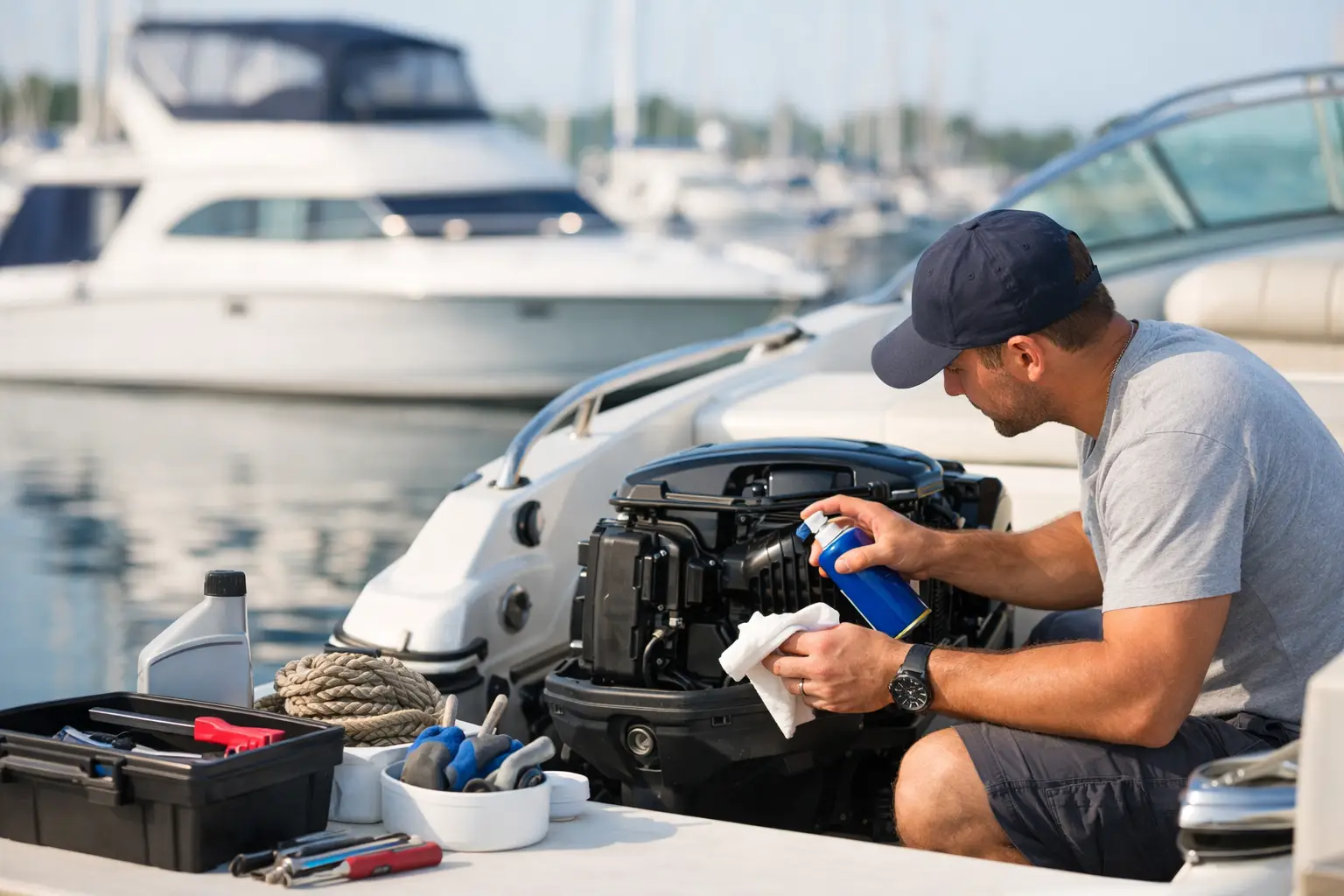
Every morning, before the sun comes up, Crewmembers are scouring the CG boats to complete daily boat checks. They have one for the “Deck” side that checks all the boat gear and ensures it’s in good working order, and we have engineers who ensure the boat’s systems and engines are running in top order. Now, you may not be as diligent as the CG, but forming habits of inspection and maintenance could save you thousands, and also your life. A boat that starts late at the ramp, overheats halfway to the inlet, or shows a dead bilge pump when the weather turns usually gives warnings long before the problem shows up. Most breakdowns are not surprises. They are missed maintenance intervals.
That is why a solid boat maintenance schedule guide matters. Not because every boat owner needs to become a mechanic, but because a simple, repeatable plan keeps small issues from turning into expensive weekends, tow bills, or worse, a safety problem offshore. If you run in Florida salt, fish often, or keep your boat in the water year-round, timing matters even more.
The best schedule is not the one with the most boxes to check. It is the one you will actually follow. For most recreational boaters, that means organizing maintenance by when it naturally happens – before a trip, monthly, seasonally, and annually – instead of relying only on engine-hour recommendations.
Hours still matter, especially for oil changes, impellers, and fuel filter service. But many owners do not hit hours evenly. One summer may be heavy. Another may be light. A calendar-based plan catches age, corrosion, UV wear, and moisture problems that do not care how much you run the boat.
If you own a center console, bay boat, pontoon, or family cruiser, start with three factors: whether the boat lives on a trailer or in the water, whether you boat in salt or fresh water, and how often you run it. A trailered freshwater boat can go longer between some tasks. A saltwater boat stored in a wet slip needs more attention, even if it is not used every weekend.
This is the shortest part of the schedule, but it prevents the biggest headaches. Walk the boat before you launch or cast off. Check battery charge, bilge pump operation, navigation lights, engine oil level if applicable, and fuel level. Look for fuel or oil odors, loose hose clamps, cracked fuel lines, and anything wet that should be dry.
Give the propeller a quick look for fishing line, nicks, or bent blades. Make sure the drain plug is in. Confirm safety gear is aboard and accessible, not buried under cushions and cast nets. If your boat has a raw-water-cooled engine or outboard, verify a strong telltale stream after startup.
This is also the right time to look at trailer basics if you tow. Tires, wheel bearings, lights, straps, and the winch should get a glance every trip. Trailer problems ruin as many boating days as engine problems do.
If you use your boat regularly, a monthly once-over catches gradual wear. Start with the battery system. Clean corrosion from the terminals, check the hold-downs, and confirm the onboard chargers are working as they should. Electrical issues often begin with poor connections, not failed components.
Inspect hoses, belts, steering, and throttle controls. Feel for stiffness in the helm. Look for cracking in rubber parts and rust on clamps or fasteners. On outboards, check the mounting bolts and look over hydraulic steering fittings for leaks. On inboards and sterndrives, keep a closer eye on bellows, belts, and any signs of water intrusion.
Hull and deck condition also deserve attention. Wash salt residue thoroughly, especially around hardware, hinges, latches, and rails. UV and salt together are hard on upholstery, seals, and finishes. A quick monthly cleaning and protectant routine costs far less than replacing sun-baked vinyl or corroded hardware.
If your boat sat through winter, spring is when deferred issues show up. Change engine oil and filters per manufacturer intervals, inspect spark plugs, top off or replace lower-unit gear lube as needed, and inspect the water pump impeller on schedule. If you are not sure of the impeller age, that uncertainty alone is a reason to address it.
Go through fuel systems carefully. Old fuel, water contamination, and clogged filters cause many rough-running complaints each spring. Replace the water-separating fuel filter, inspect primer bulbs and hoses, and check tank vents for blockage. Ethanol-blended fuel can be especially hard on older components.
This is also the right time to test electronics, pumps, horns, trim tabs, and washdown systems before the season gets busy. Finding out your VHF or livewell pump is dead at home is annoying. Finding out at the dock with guests aboard is expensive and embarrassing.
A long boating season can expose different problems than spring startup. During the hottest months, cooling systems, batteries, and trailer tires take a beating. If you fish hard in summer, inspect the prop and lower unit more often, and check for line around the prop shaft after nearly every trip.
Midseason is a good time to reassess your maintenance rhythm. If the boat is getting heavy use, the original schedule may need to be tightened up. That is not overmaintaining. That is matching the schedule to real conditions.
Even in Florida, where many boats run year-round, there are periods of lighter use. If the boat will sit, stabilize fuel if appropriate, charge and maintain batteries, clean the bilge, and remove anything that traps moisture or mildew. Flush the engine thoroughly after the last run, especially when using saltwater.
For owners farther north, winterization is non-negotiable. Draining or protecting water systems, fogging engines when recommended, and proper storage procedures prevent freeze damage that can wipe out next season’s budget in one mistake.
At least once a year, every boat needs a more thorough inspection. This is where a practical boat maintenance schedule guide separates routine cleaning from actual ownership discipline.
Service the engine according to the manufacturer’s recommendations, including oil, filters, spark plugs, gear lube, and impeller intervals, as required. Inspect sacrificial anodes and replace them when consumed. Check the fuel system closely, including filters, hoses, clamps, and tank fittings. Inspect steering and control cables or hydraulic systems for wear and leaks.
For boats kept in the water, bottom condition and growth control are part of annual planning. Fouling hurts performance, fuel economy, and handling. Bottom paint schedules depend on local water conditions, storage method, and how often the boat moves. There is no one-size-fits-all answer here. Some boats need repainting sooner than others, especially in warm saltwater.
Annual trailer service should include wheel bearings, brakes, bunks or rollers, tires, and wiring. Trailer tires often age out before they wear out. If they look fine but are older, that can still be a risk on a summer highway.
Saltwater shortens the timeline on almost everything. Corrosion moves faster, electrical connections suffer more, and cooling passages collect deposits that freshwater owners may never deal with. If you boat on the Gulf, the Atlantic coast, or in brackish backwaters, flush after every trip and be more aggressive about rinsing hardware, trailers, and anything metal.
You should also inspect anodes more often and pay closer attention to battery terminals, bonding systems, and trailer brakes. A schedule that works in a freshwater lake marina may be too relaxed for a Florida boat that sees heat, salt, humidity, and constant sun.
The easiest way to stay on top of maintenance is to keep a log. Nothing fancy. Date, engine hours, work completed, parts used, and what needs attention next. If a problem starts to repeat – dead battery, clogged filter, overheating at idle – patterns show up fast in a written record.
It also helps the resale value. Buyers trust a boat with a believable history more than one with a verbal promise that everything was “just done.” Good records show care, and care usually shows in the boat itself.
If you do some work yourself and farm out other jobs, be honest about your limits. Oil changes, filter swaps, battery care, and routine inspection are well within reach for many owners. More technical diagnostics, major electrical work, or sterndrive service may be better left to a qualified tech. Saving money matters, but so does getting home under your own power.
A dependable boat is rarely the result of one big service day. It comes from steady attention, good timing, and catching the little stuff before it grows teeth. If you treat maintenance as part of the boating lifestyle, not a penalty for owning the boat, you will spend less time fixing problems and more time where the boat belongs – out on the water.
Safe boating,
William B.
A good day on the water can turn expensive fast when a lower unit meets an unmarked obstruction, a storm
A calm morning at the ramp can make any boat look like the right boat. The real difference shows up