
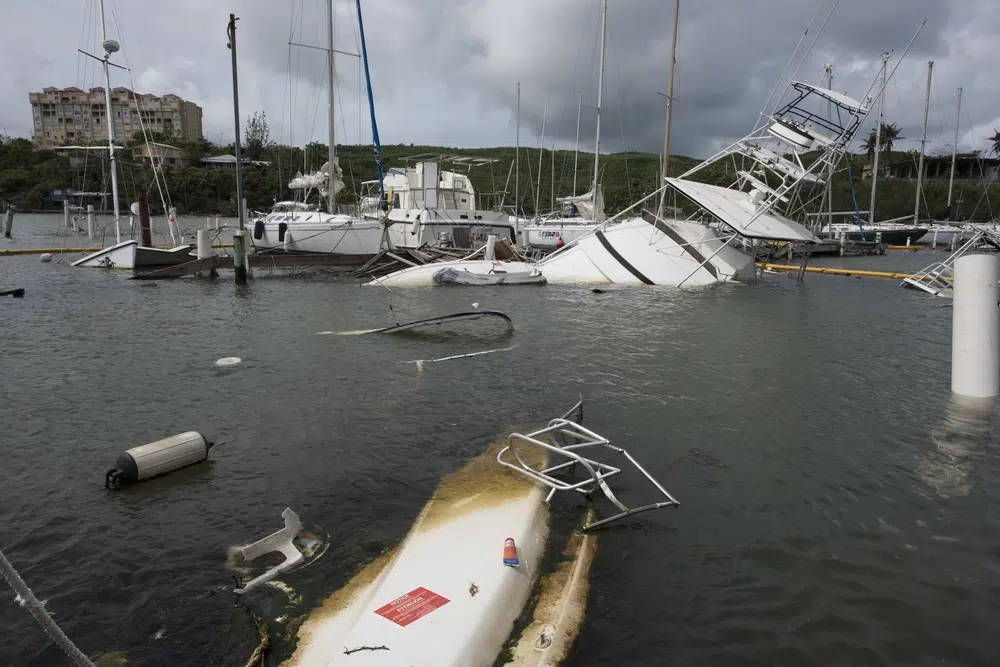
Best Boat Insurance for Florida Boat Owners
A good day on the water can turn expensive fast when a lower unit meets an unmarked obstruction, a storm

A failed bilge pump, a cracked livewell fitting, or a corroded battery switch rarely waits for a convenient Saturday. When your boat needs attention, buying boat parts online can save time, expand your options, and keep you out of a store aisle trying to compare packaging. But the right purchase starts well before you click “add to cart.”
Marine equipment has to work in heat, vibration, salt spray, and rough water. A part that looks close enough may fit poorly, fail early, or create a safety issue. The goal is not simply to find the lowest price. It is to buy the correct part, understand its quality level, and get your boat back on the water with confidence.
The most reliable way to buy replacement marine equipment is to begin with the existing part. Look for a manufacturer name, model number, serial number, voltage rating, hose diameter, thread size, or capacity label. Take clear photos from several angles before removing anything, including the wiring terminals, mounting holes, and any connections around the part.
This matters because marine components often have small but critical differences. Two pumps may look nearly identical while using different discharge-port sizes. A replacement navigation light may share the same housing shape but have a different mounting base. A fuel-water separator can appear universal until the thread pitch or micron rating does not match your system.
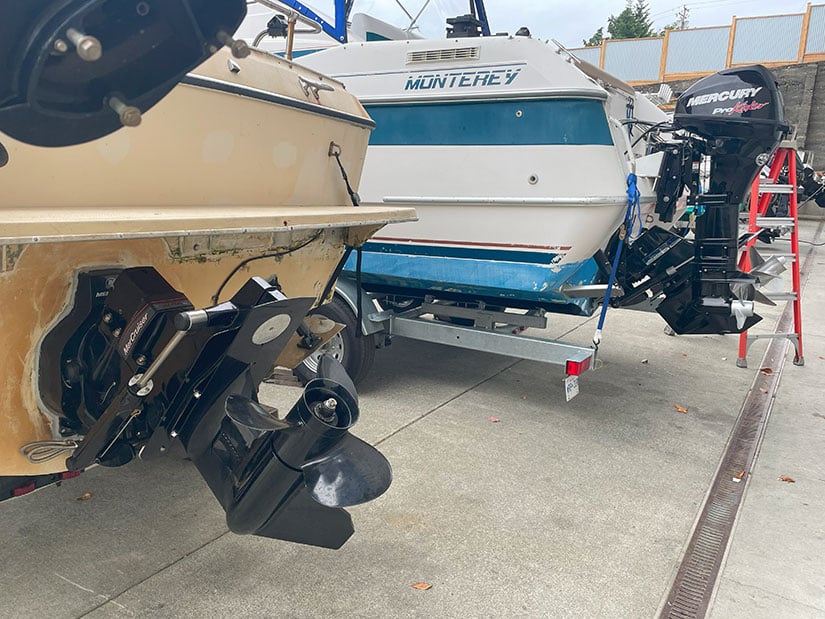
For engine-related parts, use your engine model and serial number whenever possible. On outboards, that information is often found on a transom bracket label. For sterndrives and inboards, look for the identification plate on the engine or documentation from the manufacturer. Year, horsepower, and brand help narrow the field, but the serial number is usually what prevents an expensive mistake.
Original equipment manufacturer, or OEM, parts are made by or for the company that built the original system. They are usually the safest choice for fit-sensitive components such as engine sensors, control cables, trim parts, proprietary electronics accessories, and certain fuel-system items.
Aftermarket parts can offer real value, particularly for common maintenance items. Filters, pumps, switches, hardware, electrical terminals, dock lines, and cleaning supplies may be available from respected marine brands at a lower price than an OEM alternative. The key is knowing whether you are comparing equivalent products or merely similar-looking ones.
A good rule is to be more conservative with anything that affects propulsion, fuel delivery, steering, electrical protection, or onboard safety. Saving a few dollars on a questionable fuel hose, breaker, steering component, or bilge pump is rarely a bargain. On the other hand, an established aftermarket brand can be a smart purchase for routine upkeep when its specifications match your needs.
Read the listing carefully for the manufacturer name, material, dimensions, ratings, included components, and warranty. If a listing only says “fits many models” without explaining which models or how it fits, treat that as a reason to investigate further.
A boat is a system, and every replacement part has to work with the system already aboard. Before ordering, compare the listing against your existing equipment in four areas: dimensions, material, electrical requirements, and operating rating.
Dimensions are more than overall length and width. Confirm mounting-hole spacing, hose inside diameter, thread type, shaft length, connector style, and clearance behind a panel or hatch. A battery switch may fit the cutout but be too deep for the compartment. A replacement hatch latch may have the right faceplate yet miss the striker by a quarter inch.
Material choice is especially important in saltwater. Marine-grade stainless steel, tinned copper wiring, UV-resistant plastics, and corrosion-resistant fittings cost more for a reason. Standard hardware-store materials may work temporarily, but they can corrode, seize, or weaken faster in a coastal environment. If you boat in Florida year-round, that exposure adds up quickly.
For electrical parts, confirm voltage, amperage, wire gauge range, ignition protection where applicable, and whether the item is intended for marine use. A 12-volt accessory may still be the wrong choice if it cannot handle the current draw or lacks protection suited to an engine compartment. Electrical fires and charging failures are not areas for guesswork.
Operating ratings matter for pumps, blowers, batteries, anchors, and safety equipment. A bilge pump should be selected for its real installation needs, not just the biggest gallons-per-hour number on the box. Hose runs, lift height, bends, and discharge fittings all reduce actual flow. Likewise, an anchor should match your boat size, bottom conditions, and expected weather, not just look substantial on the bow.
Customer reviews can be useful, but a five-star rating alone does not tell the whole story. Look for reviews from owners who describe the boat type, installation, use conditions, and time the product has been in service. A review written after unboxing is less helpful than one written after a season in saltwater.
Pay attention to repeated comments about fitment, wiring instructions, corrosion, leakage, noise, and customer support. One complaint may be an installation issue. A pattern of the same complaint deserves attention. Also consider what the reviewer expected. A compact portable pump may be excellent for emergency transfer duty and still be a poor choice as a primary bilge pump.
Product questions and answers can reveal details missing from a listing. Still, verify critical information against manufacturer specifications rather than relying on a stranger’s answer. Boats vary too much for a “worked on mine” response to be final proof.
The biggest online-parts mistakes are usually preventable. Ordering based on appearance, assuming “universal” means guaranteed fit, and overlooking shipping time can all leave your boat laid up longer than necessary.
Before placing an order, make sure you have considered the full installation. Does the new component require a gasket, sealant, hose clamps, heat-shrink connectors, mounting screws, or a special tool? A new raw-water pump impeller is not much help if the gasket is not included and the old cover screws are already damaged. Planning the job as a complete repair keeps a small problem from becoming a second-order and another lost weekend.
Also check return policies before opening packaging or installing a part. Parts exposed to fuel, water, or electrical installation may not be returnable. Measure twice, compare part numbers, and keep the original packaging until you have confirmed proper fit and operation.
Shipping deserves a practical look as well. Small components may arrive quickly, while oversized items, batteries, anchors, or specialty parts can take longer or require freight delivery. If you have a launch date coming up, avoid assuming that “in stock” means it will be in your hands tomorrow.
Not every replacement part should be bought in an emergency. Keeping a few proven spares aboard or in the garage makes routine maintenance easier and can turn a potential tow into a manageable dockside repair.
For many recreational boaters, a sensible kit includes spare fuses, marine-grade electrical connectors, hose clamps, a fuel-water separator, an impeller where appropriate, a drain plug, navigation-light bulbs or replacement assemblies, basic hand tools, and a few lengths of properly rated line. Anglers may also carry livewell pump fittings and spare aerator components, especially before a tournament or a long offshore run.
The right kit depends on your boat and how you use it. A center console running offshore has different priorities than a pontoon used on protected inland water. Start with the parts that have failed before, then add items that are small, affordable, and difficult to source on a holiday weekend.
A good marine supplier does more than list products. It gives you enough accurate information to make a sound decision and provides support when the answer is not obvious. That matters when you are comparing a replacement pump, choosing the right safety gear, or trying to match a corroded fitting that has been aboard since the boat was new.
At Boatsmans, that approach comes from real maritime experience: practical guidance, dependable gear, and fair value for boaters who would rather spend their time running the inlet than chasing the wrong part. Take a few extra minutes to verify what you need now, and your next day on the water is far more likely to begin at the ramp, not in the repair bay.
Safe Boating,
William B.
A good day on the water can turn expensive fast when a lower unit meets an unmarked obstruction, a storm
A calm morning at the ramp can make any boat look like the right boat. The real difference shows up