
Best Boat Insurance for Florida Boat Owners
A good day on the water can turn expensive fast when a lower unit meets an unmarked obstruction, a storm
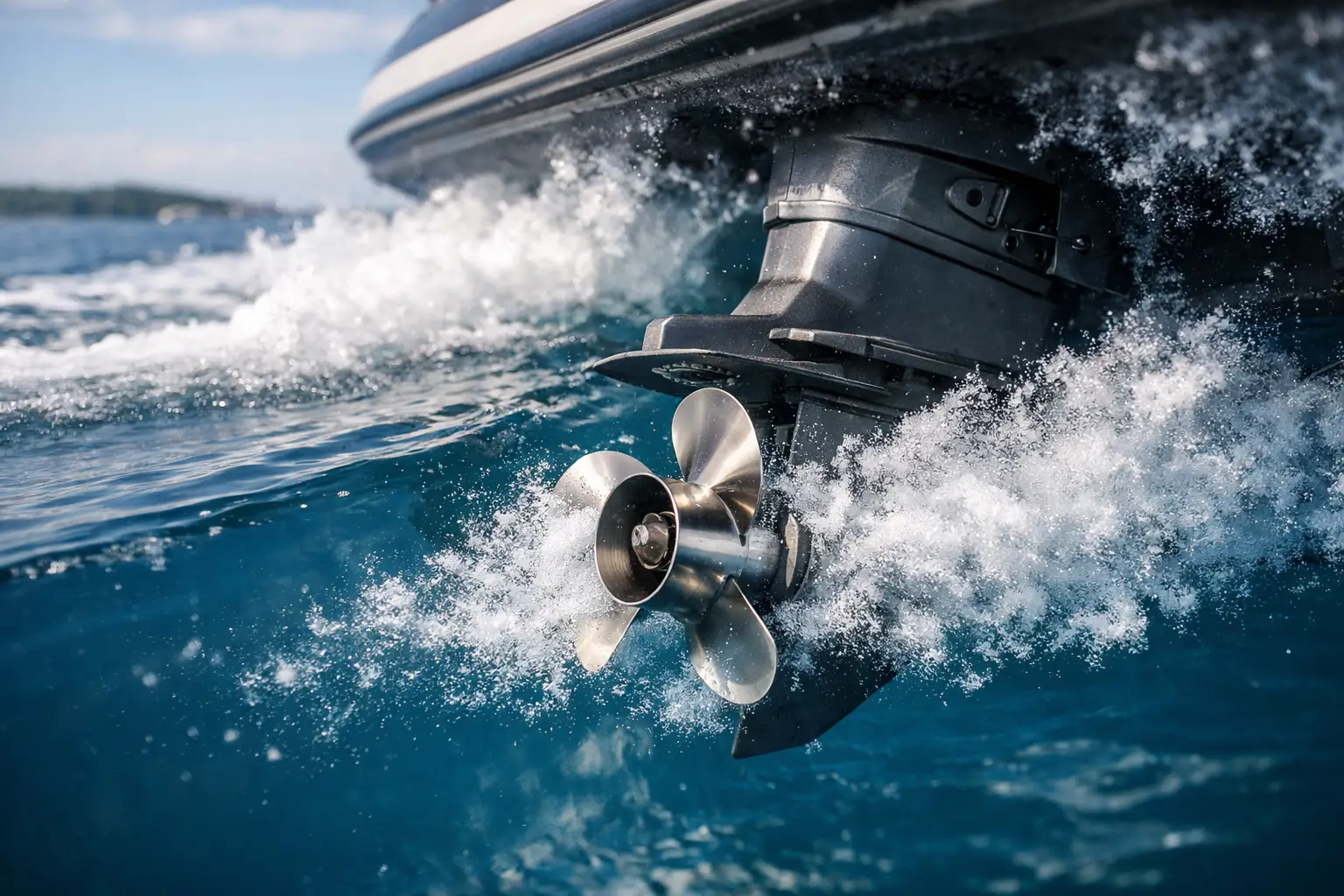
You push the throttle, the engine revs freely, and the boat seems to stop pulling. Sometimes there is a shudder through the hull or a high-pitched growl from the stern. If you are asking what causes boat cavitation, the short answer is a propeller operating in disturbed water or in conditions that cause water pressure to collapse around the blades. The longer answer matters, because not every prop slip is true cavitation – and the wrong fix can cost speed, fuel, and a propeller.
For Florida boaters who run shallow bays, cross a choppy inlet, or carry a full fishing crew offshore, occasional prop slip can happen. Persistent cavitation, however, deserves attention. It can erode metal, strain equipment, and turn an otherwise dependable boat into an unpredictable one.
A propeller creates thrust by producing a pressure difference between the front and back of each blade. On the low-pressure side, water can briefly vaporize when pressure drops far enough. Those tiny vapor bubbles collapse as they move into higher-pressure water. That collapse is cavitation.
The bubbles themselves are small, but their collapse can be violent at the blade surface. Over time, repeated cavitation can pit a stainless or aluminum propeller, especially along the leading edges and blade faces. It also reduces the prop’s grip on the water, which is why a boat may lose acceleration or top-end performance even while engine rpm climbs.
True cavitation is often confused with ventilation. Ventilation occurs when air or exhaust gas is drawn into the propeller. It is common when trimming the drive too high, making a hard turn, running through following chop, or operating in aerated water behind another boat. The symptoms feel similar: rpm rises, thrust disappears, and the prop “blows out.” But ventilation is an air-ingestion problem, while cavitation is a low-pressure water-flow problem.
That distinction is practical. A damaged prop may cause cavitation. A drive trimmed too high may cause ventilation. Both can occur on the same boat, but they are not automatically solved the same way.
Propeller damage is one of the first places to look. A small ding from an oyster bar, sandbar, submerged branch, or dock can interrupt the smooth flow of water across a blade. The result may be vibration, reduced bite, and localized cavitation.
Do not judge a prop only by whether it looks badly damaged from a few feet away. Run a hand carefully along each blade edge with the engine off and the key removed. Look for bends, cracks, missing material, uneven blade shape, and fishing line around the prop shaft. Even a modest imperfection can become apparent at higher rpm.
A propeller that has been repaired several times may also be out of balance or no longer match the boat’s setup. Repair is often worthwhile for minor damage, but a reputable prop shop should check pitch, cup, blade tracking, and balance rather than simply smooth the edges.
The propeller is not a one-size-fits-all part. Diameter, pitch, blade count, rake, and cup all affect how it handles load and water flow. A prop that is wrong for the boat, motor, and typical load can be more likely to lose bite.
Too much pitch can lug an engine, making it struggle to reach its recommended wide-open-throttle rpm range. Too little pitch can let the engine over-rev. In either case, performance suffers. A prop with insufficient cup may ventilate more easily in turns or rough water, while additional cup can improve grip for some boats but may reduce rpm.
This is where “it depends” is more than a polite answer. A center console that normally carries two people may need a different prop setup than the same hull loaded with four anglers, ice, a full livewell, and offshore gear. Start with the engine manufacturer’s specified wide-open-throttle range, then test the boat with the load you actually run.
Outboard mounting height significantly affects clean water reaching the propeller. Mount the engine too high, and the prop may run near the surface, where it can pull in air during acceleration, turns, or chop. Mount it too low and the lower unit creates extra drag and can disturb water flow before it reaches the prop.
Jack plates add useful adjustability, particularly for shallow-water and performance setups, but they also make it easier to run beyond the propeller’s happy place. A change that feels quick in flat water may become unreliable in a hard turn or a coastal afternoon chop.
For sterndrives, drive trim is just as important. Trimming out can reduce wetted surface and improve speed, but excessive trim can bring the prop close enough to the surface to ventilate. If the issue appears only after trimming out, trim in slightly and see whether the prop hooks up again.
A propeller needs clean, solid water. Anything that disrupts that flow can lead to cavitation-like symptoms. Barnacles, heavy slime, damaged bottom paint, a bent trim tab, a transducer mounted in the wrong location, or an aftermarket accessory placed ahead of the prop can create turbulent, aerated water.
On an outboard boat, inspect the hull bottom and the area ahead of the lower unit. On an inboard or sterndrive, inspect the propeller, shaft, strut, rudder, trim tabs, and hull fittings. Marine growth does not need to be dramatic to affect performance. A season of neglected bottom growth can cost speed and efficiency before it becomes obvious at the dock.
Sometimes the equipment is fine, and the operating conditions are the cause. A boat can ventilate when it launches off a wave, falls into the back side of a swell, banks through a tight turn, or runs with the drive trimmed aggressively high. Boats with higher-mounted outboards, performance hulls, and lightweight sterns can be especially sensitive.
If the prop loses bite only in these moments and immediately recovers when you reduce trim or straighten the boat, that points more toward ventilation than propeller damage. Adjusting throttle and trim to the water conditions is part of good seamanship, not a sign that something is wrong with the boat.
Pay attention to when the problem occurs. True cavitation often shows up consistently at a particular rpm, under heavy load, or after prop damage. It may come with a persistent vibration or a rough, raspy sound. Inspection may reveal pitting or a frosted-looking area on the propeller blade.
Ventilation is usually more sudden and situational. The engine flares during a turn, in rough water, while accelerating with too much trim, or when the boat is lightly loaded. Reducing throttle and trimming in often restores grip right away.
Either issue can quickly raise engine rpm. Avoid holding the throttle wide open while the prop is slipping. Back off, regain bite, and investigate at the next safe opportunity. Repeated high-rpm flare-ups are hard on engines and can turn a minor prop issue into a larger repair bill.
Begin with the simple checks: inspect and clean the propeller, remove the line from the shaft, check for visible damage, and ensure the prop nut and hardware are secure. Then review your trim habits and test whether trimming in eliminates the symptom.
If the problem persists, record the details before changing parts. Note rpm, speed, trim position, fuel load, passenger load, sea state, and whether the issue happens during acceleration, turns, or steady cruising. Those observations help a marine technician or prop specialist diagnose the cause far better than “it slips sometimes.”
A prop shop can measure a propeller accurately and recommend repair or replacement. If the prop checks out, have the boat’s engine height, lower-unit condition, hull bottom, and nearby accessories inspected. Boatsmans customers often find that a careful setup adjustment or proper prop match solves what initially felt like a major engine problem.
Do not use a larger or more aggressively pitched prop simply because it seems likely to produce more speed. The best prop is the one that lets the engine operate in its intended rpm range, carries your normal load confidently, and maintains grip in the conditions you actually run.
Before the next run, give the stern gear the same attention you give fuel, safety equipment, and weather. A clean, correctly matched propeller will not make every rough-water blowout disappear, but it gives you the dependable bite you want when the inlet gets busy, and the fish are finally feeding.
Safe Boating,
William B.
A good day on the water can turn expensive fast when a lower unit meets an unmarked obstruction, a storm
A calm morning at the ramp can make any boat look like the right boat. The real difference shows up