
Best Boat Insurance for Florida Boat Owners
A good day on the water can turn expensive fast when a lower unit meets an unmarked obstruction, a storm
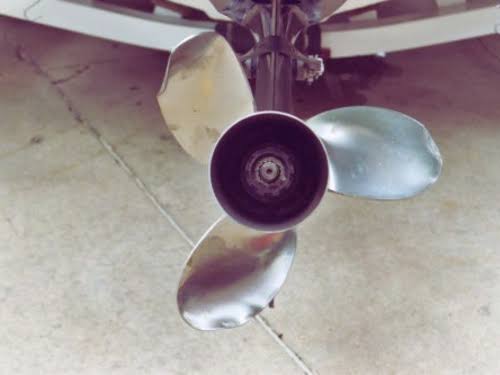
We find similarities in the marine world as we do in the aviation world. Many parallels coincide, like waypoints for navigation, courses, weather dynamics, and, of course, maintenance. Just as it is prudent for a prop flyer to inspect his props for damage, so too should you check your marine propellers. Just the littlest bump may not feel like a big deal, but even a small deflection or bend in the prop could have a dramatic effect on your overall performance. A propeller can look fine from the dock and still be the reason your boat feels sluggish, vibrates at cruise, or burns more fuel than it should. It is one of the hardest-working parts of your drivetrain, and on Florida waters it routinely deals with sand, oyster bars, fishing line, floating debris, and salt. Knowing how to inspect a boat’s propeller condition before a problem gets expensive is basic boat ownership, whether you run a bay boat, center console, pontoon, or skiff.
A proper inspection takes only a few minutes when the boat is on a trailer or lift. Do it before the first trip of the season, after a grounding or line strike, and any time the boat starts handling differently. Small damage is easy to overlook, but it can lead to lower performance, worn bearings, damaged seals, and an avoidable day cut short.
Put the engine in neutral, switch off the ignition, remove the key, and keep it out of reach. If your boat has a battery switch, turn it off as well. On an outboard or sterndrive, make sure the engine is fully shut down before your hands go anywhere near the propeller.
Never inspect a propeller with the engine running, even if someone is holding the controls. A propeller blade is sharp enough to cause a serious injury, and an accidental start can be fatal. Wear close-fitting work gloves, especially if you suspect fishing line or have aluminum blade damage with sharp, raised edges.
For the most complete check, inspect the prop while the boat is out of the water. You can spot obvious problems in the water, but you cannot properly examine the hub, shaft area, or blade faces below the waterline. If the boat must stay afloat, use a qualified diver or wait until it is on a lift or trailer.
Begin by looking at all blades from both sides. Turn the propeller by hand only after confirming the engine cannot start. Each blade should have a similar shape, pitch, and edge profile. A clean, undamaged prop will not necessarily look polished, but it should be free of distortions and serious damage.
Look closely along the leading edge, trailing edge, and blade tips. Minor nicks from sand or a light brush with debris may be repairable, particularly on an aluminum prop. But a bent blade, a curled tip, or a missing chunk changes how water flows across the propeller. That can create vibration and reduce the boat’s ability to get on plane.
Run a gloved finger carefully along each edge to feel for damage your eyes may miss. Pay attention to uneven edges, cracks, or places where the metal feels folded. Stainless steel props are tougher than aluminum, but they are not immune to damage. In fact, because stainless steel flexes less, a hard impact can transfer more force into the lower unit.
If one blade looks different from the others, do not assume it is cosmetic. Propellers are balanced components. A blade that is even slightly out of shape can affect performance at higher RPM and place added stress on the drivetrain.
Surface discoloration is common in saltwater boating. What matters is whether corrosion is eating away at the metal or appearing around stressed areas. Inspect the base of each blade where it meets the hub, the blade edges, and any repaired areas.
Small pits may not require immediate replacement, but deep pitting, flaking metal, or visible cracks deserve attention from a prop shop or marine technician. A crack can spread quickly under load. Do not try to straighten a stainless steel blade with hand tools, and do not grind away substantial material in an attempt to make damage disappear. Removing metal changes balance and blade geometry.
The propeller hub connects engine power to the propeller blades. On many outboards, the hub contains a rubber or composite insert designed to protect the drivetrain if the prop strikes something. When that insert begins to fail, the engine may rev normally while the boat struggles to accelerate. Boaters often call this a spun hub.
Examine the hub for cracking, separation, melted-looking rubber, or movement between the inner and outer sections. Check that the propeller sits squarely on the shaft and does not wobble when moved by hand. A small amount of movement may be normal depending on the setup, but obvious looseness is not.
Inspect the prop nut, washer, spacer, and cotter pin or locking device. The hardware should be secure, correctly installed, and free of heavy corrosion. A missing cotter pin, damaged locking tab, or loose prop nut is a simple problem that can become a very expensive one if the propeller works loose offshore.
Do not tighten a prop nut by guesswork. Your engine manufacturer specifies a torque range and installation order for the washers and hardware. Follow that specification, particularly after removing a propeller for service.
Fishing line wrapped behind the propeller is one of the most common hidden issues on recreational boats. Monofilament and braided line can work their way behind the thrust washer and around the prop shaft. From there, it can damage the prop shaft seals, allowing gear oil to leak or water to enter the lower unit.
If you fish often, run shallow water, or recently picked up line, remove the propeller for inspection. Keep the parts in the order they come off so reassembly is straightforward. Look behind the propeller and around the prop shaft for line, weeds, plastic, or packed sand.
Cut away line carefully without scratching the shaft or seal area. If you find line embedded near the seals, see gear oil leaking, or notice milky gear oil during a lower-unit service, have the seals checked promptly. A seal repair is far less costly than rebuilding a water-damaged gearcase.
Before reinstalling the propeller, wipe the shaft clean and apply a light coat of marine-grade waterproof grease to the splines. Use only enough to protect against corrosion and make future removal easier. Excess grease collects grit, so more is not better.
A visual inspection catches plenty of issues, but your boat’s behavior is also part of the diagnosis. Vibration that rises with RPM, a new pulling sensation at the wheel, poor hole shot, lower top speed, or an engine that hits the rev limiter too easily can all point to a propeller or hub problem.
Those symptoms do not automatically mean the prop is at fault. A fouled hull, incorrect engine height, fuel issues, trim technique, or excess load can produce similar results. Still, the propeller is one of the first places to look because it is exposed to frequent impacts and wear.
Consider professional prop service when damage is more than superficial, when you feel persistent vibration, or when a blade is bent or cracked. A reputable prop shop can measure pitch, check balance, repair eligible aluminum and stainless steel props, and tell you honestly when replacement makes more sense. In some cases, repair is the sensible value. In others, particularly with a cracked hub or severely damaged blade, replacement is the safer call.
A quick propeller check belongs alongside checking fuel, battery charge, drain plug, safety gear, and lower-unit condition. Before launch, scan the visible blades for obvious damage. Every few outings, or after fishing areas with lots of line and debris, take the extra time to inspect behind the propeller.
It also pays to carry the basics aboard or in the tow vehicle: a correctly sized prop wrench, spare cotter pins or locking hardware, waterproof grease, gloves, and the tools required for your particular engine. If you boat far from the ramp, a spare propeller and hardware kit can turn a long tow back into a short delay.
Your propeller is where engine power finally meets the water. Give it five careful minutes before the next run, and it will help you spot the small trouble that has a habit of becoming big trouble at the worst possible time.
Safe boating,
William B.
A good day on the water can turn expensive fast when a lower unit meets an unmarked obstruction, a storm
A calm morning at the ramp can make any boat look like the right boat. The real difference shows up