Best Boat Insurance for Florida Boat Owners
A good day on the water can turn expensive fast when a lower unit meets an unmarked obstruction, a storm

By William Balcerski, BMC, USCG (Ret.)
BMC, USCG (ret.)/Founder of Boatsman’s.com
Let’s talk about carrying extra equipment on your boat. In everyday life, being “extra” might not always be a compliment—but on the water, it can be a game changer. Having backup or even third tier (secondary and tertiary) equipment can make all the difference in critical situations.
To be clear, I’m not suggesting you exceed the required safety equipment for the sake of overpacking or overspending. However, when you upgrade or replace onboard gear, it may be wise to keep the older, still-functional items as spares. In certain circumstances, that extra piece of equipment could be exactly what you need when things don’t go as planned.
Here are a few examples.
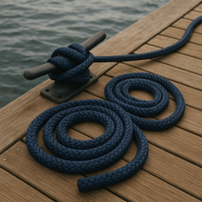
Dock Lines – While it’s prudent to replace your dock lines every few years, it’s not always mandatory. However, when you do upgrade them, don’t throw the old ones away—as long as they’re still serviceable. Keeping spare lines for the bow, stern, and spring positions gives you the ability to double or even triple your line setup in the event of strong winds, tidal surges, storms, or other unpredictable conditions.
If a primary line chafes through, snaps, or simply becomes unreliable, having a backup ready ensures your vessel remains safely secured. I also like to keep a couple of additional, gently used spare lines onboard, not just for my own peace of mind, but to assist fellow boaters who may find themselves in a bind. (Space permitting, of course.)
We’ll dive deeper into mooring line practices and techniques in a future post.
Headlamps – A headlamp is one of the most essential tools you can carry on board. Whether battery-powered or rechargeable, headlamps provide reliable, hands-free illumination—especially valuable in low-light or emergency situations. Many models also feature a red-light mode to preserve night vision, which is particularly useful during nighttime navigation, line handling, or engine checks.
They’re affordable, widely available at most hardware and outdoor retailers, and remarkably practical. In fact, you can’t really have too many. I personally keep at least three to four onboard—not just for myself, but to ensure crew members or guests have access when needed.
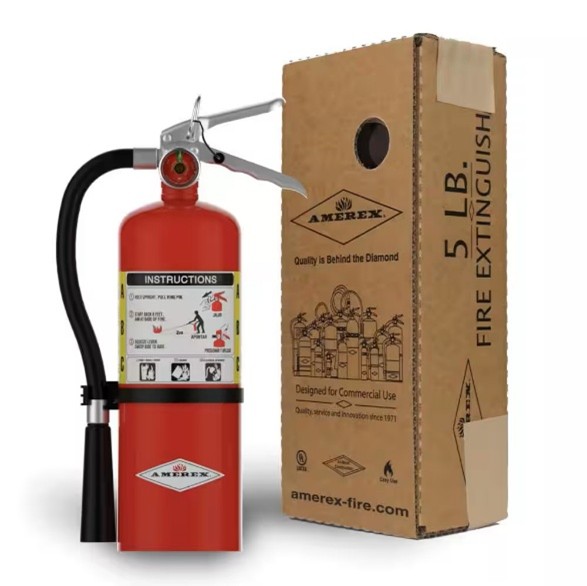
Fire Extinguishers– This one is tricky. The question isn’t how many you have; what really matters is that you have the right type and size, that it’s USCG approved, and it has the correct class and rating for your boat. (We will cover this in a future blog) Moreover, where they are located and that you can reach them when a fire breaks out. Of course, how to use them properly. With that being said, understand that how many you need is dictated by the size of your boat. For example, according to the Coast Guard, a 26-foot boat is required to have two USCG-approved 5-B portable fire extinguishers or one 20-B. but does that mean that is the only number of extinguishers you can have aboard? No. Those are the minimal guidelines set forth by the Coast Guard. Depending on the type and size of fire you have aboard, one or two extinguishers may not be enough. There is nothing more disheartening than having a fire on board your boat and not having enough extinguishers to put it out. However, keep in mind that if you do decide to carry extra extinguishers on board, they are subject to inspection during boarding just like all the others. If you meet the minimal standards, you should be good for the inspection. Which is better? Having an extra expired fire extinguisher on board or no extras at all? You decide.
Life Jackets – Having spent most of my adult life conducting Search and Rescue operations, I can tell you with absolute certainty—life jackets do save lives. Unfortunately, I can also tell you that very few people actually wear them, and even fewer know where they are stored. If I had a dollar for every time I found them stuffed deep in a compartment during an inspection, I’d be retired on a beach somewhere.
But let’s get practical.
Carrying the proper number and type of life jackets is non-negotiable. If you don’t have enough for everyone on board—or they’re not the correct type for your vessel and activity—you should not leave the dock. Beyond the minimum, carrying extra life jackets, especially throwable Type-IV devices, is always a smart idea.
Remember: All life jackets must be U.S. Coast Guard–approved, in good working condition, readily accessible, and are subject to inspection—whether by local law enforcement, state agencies, or the Coast Guard.
Flares – Carrying extra flares onboard can be a bit of a debated topic. In principle, it makes sense—especially if you frequently travel offshore, boat at night, or operate in areas with limited rescue access. Under those circumstances, having additional visual distress signals could be a lifesaver.
However, if you rarely go offshore or operate only in protected daytime waters, investing in extra flares may not be necessary. As long as you have the required type and quantity of U.S. Coast Guard–approved flares in serviceable condition—and they are easily accessible—you are meeting the legal standard.
That said, expired flares are allowed onboard as long as they are clearly labeled and stored as spares. One of the best systems I’ve seen involved using two clear, waterproof containers: one labeled “Active” and the other “Expired Spares.” When the boater purchased new flares, the older but still usable ones were moved into the spares container. Simple, organized, and compliant.
No matter where you stand on carrying extras, remember: Flares expire for a reason. Their performance degrades over time, and corrosion is not just a reliability issue—it’s a fire hazard. If you choose to keep expired flares as backups, inspect them regularly. At the first sign of corrosion, dispose of them properly and immediately—do not keep them on board.
As experienced boaters, you understand that being prepared for the worst on the water gives you a vital advantage when the unexpected occurs. When things go wrong, they tend to escalate quickly. Simply meeting the minimum requirements may not be enough. Equip your vessel properly, carry dependable backups, and—most importantly—ensure everyone on board is trained to use that equipment. Preparation, awareness, and knowledge are your strongest lines of defense when conditions take a turn for the worse.
Safe Boating,
William B.
A good day on the water can turn expensive fast when a lower unit meets an unmarked obstruction, a storm
A calm morning at the ramp can make any boat look like the right boat. The real difference shows up