Best Boat Insurance for Florida Boat Owners
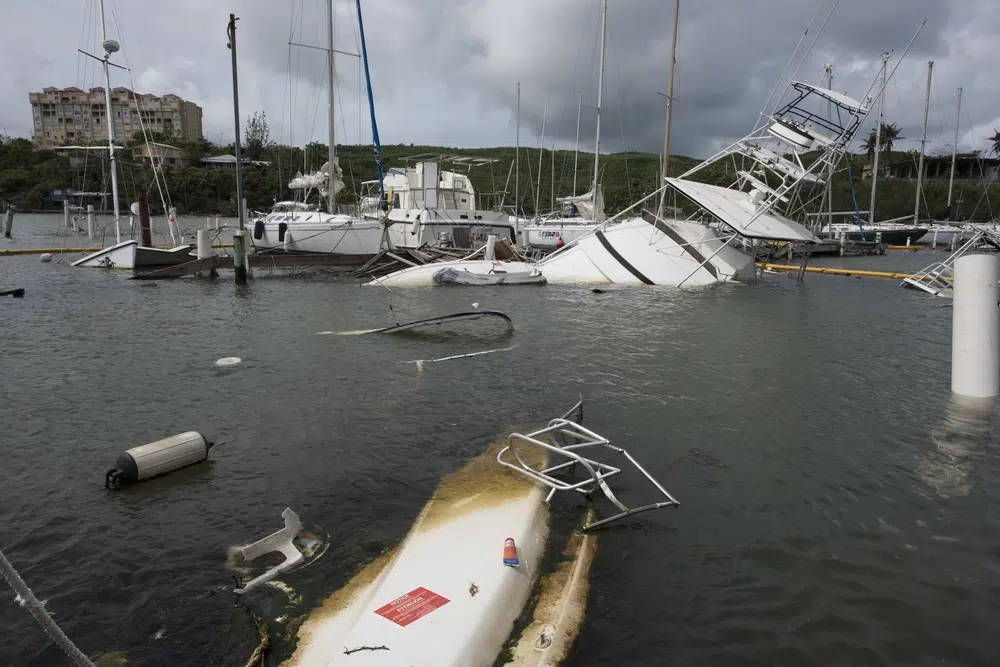
A good day on the water can turn expensive fast when a lower unit meets an unmarked obstruction, a storm

By William Balcerski, BMC, USCG (Ret.)
BMC, USCG (ret.)/Founder of Boatsman’s.com
If you spend enough time on the water, chances are you’ll eventually be boarded by the U.S. Coast Guard for a vessel inspection. For many boaters, this experience can be confusing, intimidating, or even frustrating. As a former U.S. Coast Guard Boarding Officer with decades of experience, my goal is to help you understand the process and answer the most common questions—so your next boarding is as smooth, respectful, and stress-free as possible.
A: Coast Guard boardings are conducted to promote safety, security, law enforcement, and education on the water. During an inspection, boarding teams verify required safety equipment, assess the vessel’s seaworthiness, ensure operators are not impaired or posing a risk to others, and provide guidance or recommendations when necessary. These boardings are not just about enforcement; they are designed to protect lives, enhance awareness, and support responsible boating.
A: Federal Law. 14 U.S.C. § 89(a) grants the U.S. Coast Guard broad legal authority to board, inspect, search, seize, and arrest on the high seas and in waters under U.S. jurisdiction. In simple terms, this means the Coast Guard may stop and board any vessel subject to U.S. jurisdiction—whether in U.S. waters or on the high seas—to verify compliance with federal laws and regulations.
A: This is more common than you might think, especially during high-activity periods such as lobster mini-season, holiday weekends, or major fishing tournaments. The key thing to remember is that FWC/FMP (Florida Fish and Wildlife Conservation Commission/Federal Marine Patrol) enforces state laws, while the U.S. Coast Guard enforces federal laws.
However, both agencies share responsibilities when it comes to:
Additionally, FWC/FMP specifically handles:
So, while it may feel redundant, both agencies have distinct legal authority and missions, which is why you may be boarded by both on the same day.
A: The Coast Guard does not board your vessel and immediately begin searching through your belongings. That would violate the protections of the Fourth Amendment. What they are authorized and required to conduct, however, is an Initial Safety Inspection (ISI).
The ISI is limited in scope and is focused solely on identifying immediate safety hazards—for both you and the boarding team. During this inspection, officers may check the bilges for excessive water, fuel, or oil, look for signs of fire risks, unsecured firearms, or any other hazardous conditions. Once they confirm that the vessel is safe and stable, they may proceed with the standard vessel safety inspection.
-I cannot tell you how many times I have boarded a vessel where they were taking on water or leaking fuel into their holds and had no idea.
A: The Coast Guard may issue either an infraction or a violation based on the results of the inspection. Infractions are minor non-criminal deficiencies that typically involve corrective action but do not pose an immediate danger to safety. Examples include:
Violations, on the other hand, are more serious and may involve unsafe conditions or criminal activity. Examples include:
A general rule to remember is that multiple infractions—usually three—can be elevated to a violation, depending on the circumstances. In cases where safety hazards are severe, boarding officers have the authority to recommend termination of the voyage, meaning you must immediately return to port and cannot continue operating until the issues are corrected. (*Termination of voyage requires Sector approval.)
A: Typically, a Coast Guard representative will reach out within thirty days with the decision on the inspection. Results may vary depending on the severity of the infraction/violations. It ranges from a written warning (upon the completion of fixing the issue) to nominal fines for the findings. If you have multiple offenses in the system, expect harsher penalties.
A: Three main points:
A: Unfortunately, this does happen on occasion. Like in any organization, some individuals may not be ideally suited for the role, and sometimes allow the position or authority to influence their behavior negatively. These rare instances can leave a poor impression and do not reflect the service as a whole.
However, it’s important to emphasize that the vast majority—over 99%—of Coast Guard boarding officers are courteous, respectful, and professional. They understand that they are representatives of the U.S. Coast Guard to the boating public, and they are trained to conduct themselves with integrity, fairness, and professionalism.
A: No — with an important clarification.
The U.S. Coast Guard does not operate on a quota system when it comes to boardings, inspections, or issuing violations. I cannot speak to state-level agencies; the Coast Guard is part of the Armed Forces of the United States, and its mission is centered on safety, security, and maritime law enforcement—not citation targets.
That said, like all federal agencies, the Coast Guard does track metrics and activity levels for planning and budgeting purposes. While a higher number of boardings may reflect operational activity that could influence next year’s resource allocation for law enforcement, individual officers are not required or incentivized to meet ticket or boarding quotas. Their focus remains on safety, compliance, and education, not revenue generation.
A: When a Coast Guard boarding team approaches, help by making conditions safer—not by assisting them physically during the boarding. Instead, focus on handling your vessel properly: slow down, steer down swell, or create a lee to reduce motion and provide a stable platform. You can also ask if they prefer a certain heading or speed. These actions show cooperation and good seamanship while ensuring safety for both your crew and the boarding officers.
One of the best-kept secrets– Keep all important paperwork—such as your vessel registration and documentation—organized in a laminated, waterproof binder. This keeps everything protected from the elements, easy to access, and all in one place. Having your paperwork ready and organized not only looks professional but also helps speed up the inspection process by eliminating the need to search for documents.
– On hot days, it’s thoughtful to offer boarding officers a cold bottle of water. Wearing law enforcement gear in warm climates can be incredibly uncomfortable. However, don’t be offended if they politely decline. It’s usually not a matter of rudeness—some officers simply prefer not to accept anything from the public while on duty.
– How many of us have come back from a day on the water completely exhausted? Now imagine being at sea for weeks or even months—limited rest, constant watches, drills, and operations in all kinds of weather—followed by the responsibility of conducting boardings. There are times when boarding officers may be tired or stretched thin. Compassion is a two-way street, and a little understanding can go a long way. Leave assumptions at the dock and approach the interaction with professionalism and respect.
– When underway, the Coast Guard will typically contact you on VHF Channel 16, then switch to a designated working channel. Before boarding, they will ask a series of pre-boarding questions, which are required for safety and operational awareness. These usually include:
This information helps the boarding team assess safety, plan the boarding procedure, and ensure compliance with federal regulations.
– Lastly, if you carry firearms on board, it is critical to inform the boarding officer immediately upon their arrival. Transparency helps ensure safety for both you and the boarding team. The best practice is to store firearms unloaded and in a secure location separate from the ammunition. This not only promotes responsible storage but also prevents unnecessary escalation during the boarding process.
Fun Facts:
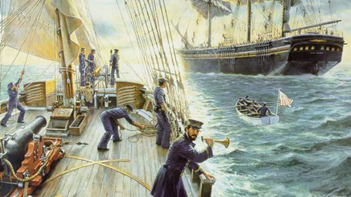
The U.S. Coast Guard is the oldest continuously operating maritime service in the United States, and it holds the position of the highest legal maritime authority in the country. It is also the only branch of the U.S. military authorized to conduct boardings on civilian vessels under federal law. Their history is rich, unique, and well worth exploring.
Safe boating,
William B.
A good day on the water can turn expensive fast when a lower unit meets an unmarked obstruction, a storm
A calm morning at the ramp can make any boat look like the right boat. The real difference shows up