
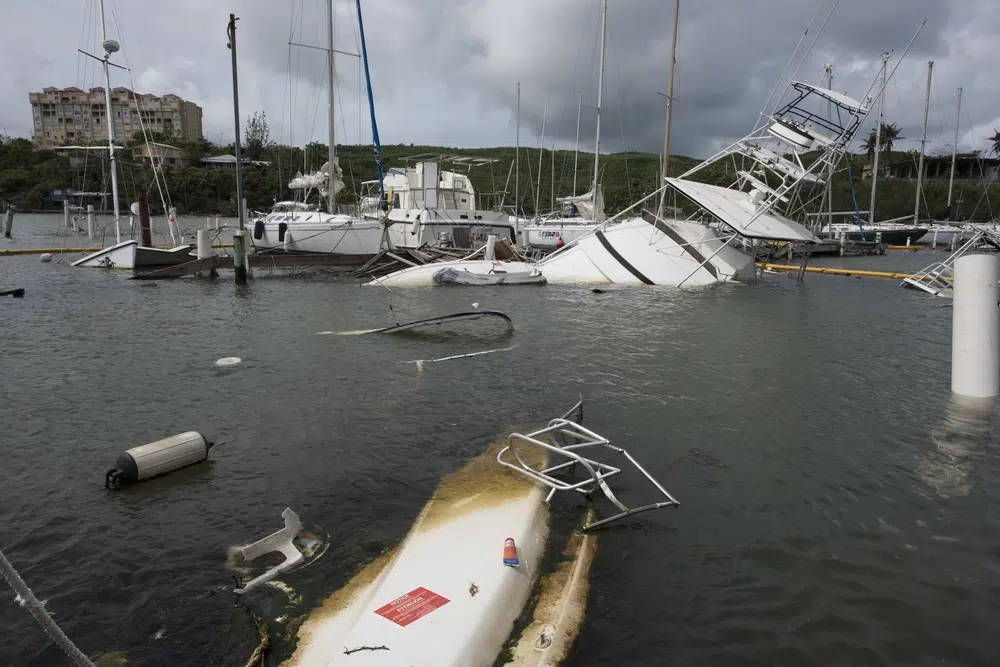
Best Boat Insurance for Florida Boat Owners
A good day on the water can turn expensive fast when a lower unit meets an unmarked obstruction, a storm
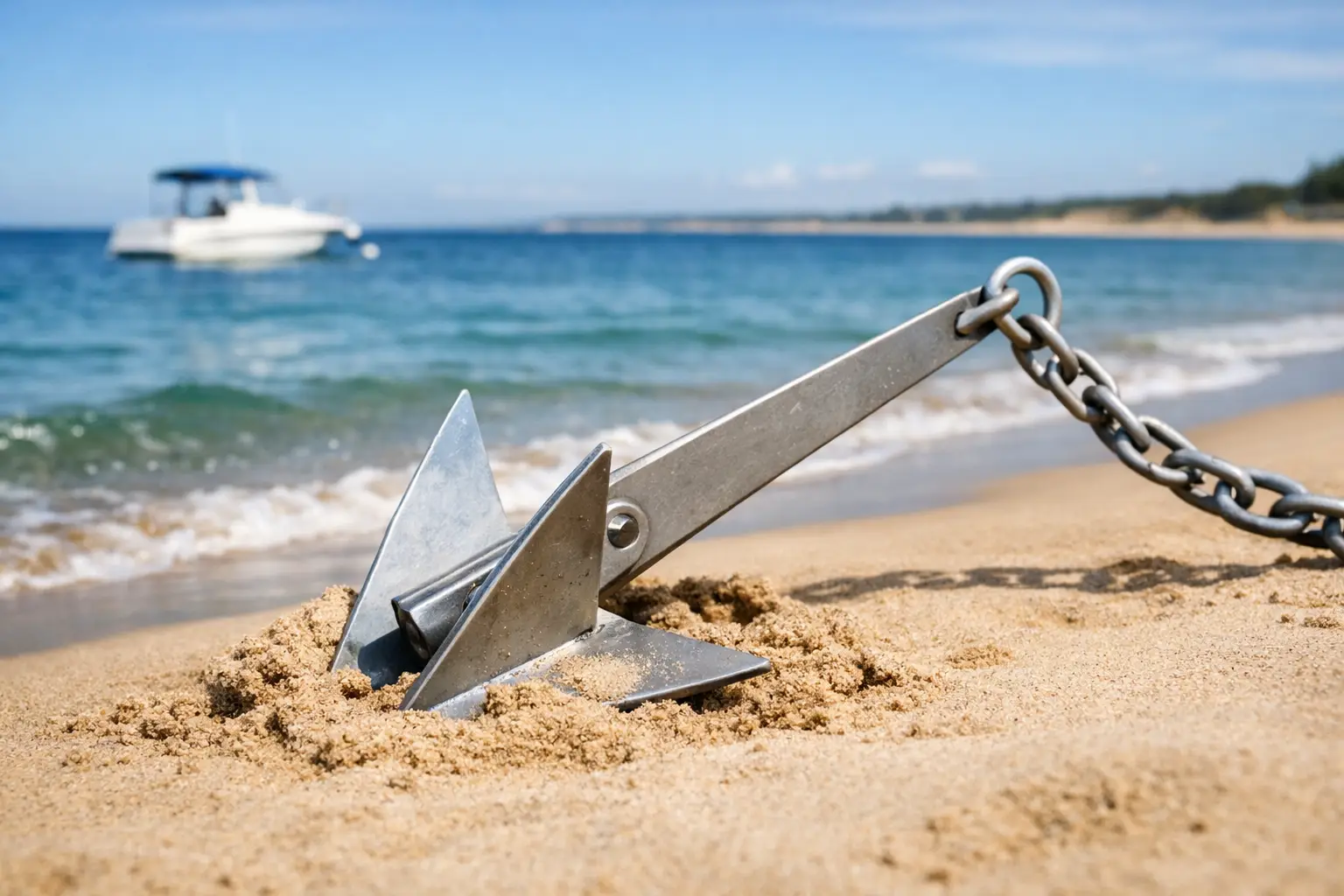
You know the feeling – the boat settles into a quiet stretch of shoreline, the water looks perfect, and then a light breeze swings the bow and starts you creeping backward. Sand bottoms can look easy, but picking the best boat anchor for sand is one of those decisions that separates a relaxed day on the hook from a slow drift into trouble.
Sand is usually one of the better holding bottoms, but only if the anchor can dig in fast and stay buried as wind, tide, or boat traffic changes the load. That is why the right answer is not just about weight. Shape, bottom conditions, and your rode setup matter just as much.
For most recreational boaters, the best boat anchor for sand is a fluke-style anchor. You may also hear it called a Danforth-style anchor. On clean sand, it offers excellent holding power for its weight because the broad flukes dig in quickly and create strong resistance once buried.
That said, there is a catch. Fluke anchors perform best in sand and mud, but they are less forgiving if the bottom has heavy grass, shell, rock, or frequent wind shifts. If you anchor mostly on open sandy flats, near beaches, or in protected coves with a clean bottom, a fluke anchor is hard to beat. If your local spots are a mixed bag, a plow or scoop-style anchor may be the more dependable all-around choice.
In plain terms, the best anchor for sand is often not the best anchor for every bottom. Good boaters match the anchor to where they actually spend time.
A sand bottom rewards anchors that bury rather than just drag. Fluke anchors are built for exactly that. Their wide, flat blades bite into the bottom as the pull comes horizontal across the seabed, then they continue digging until most of the anchor is buried.
Once properly set, a fluke anchor can hold far more than its simple shape suggests. That is why they remain popular with coastal boaters, skiff owners, bay boat owners, and anyone anchoring on beaches or shallow sandbars.
They also store easily in many small to midsize boats, which matters if you are fishing, cruising, or running a family center console where space is always limited.
Still, no anchor is magic. If the sand is very soft, loosely packed, or mixed with grass, a fluke anchor may not set as cleanly. It can also struggle if the boat swings hard with changing current and the anchor breaks free instead of resetting.
If you boat in Florida or along the Gulf and Atlantic coasts, bottom conditions can change fast. One anchorage may be clean sand. The next may be sand with grass patches, shell, or firmer packed layers underneath. In those situations, a plow-style or scoop-style anchor deserves a look.
A plow anchor is heavier for its holding power than a fluke anchor, but it tends to reset better when the boat changes direction. A scoop-style anchor, with a concave design and roll bar or self-righting shape, often sets very quickly and holds well in a range of bottoms, including sand.
So if your question is strictly, what is the best boat anchor for sand, the fluke anchor usually wins. If your real question is what should stay on my boat all season for mostly sand with some mixed bottom, then a scoop or plow anchor may be the smarter, less specialized answer.
Many boaters start by asking how heavy an anchor should be. That matters, but not as much as many people think. A properly sized anchor with the right rode and enough scope will outperform an oversized anchor with a poor setup.
For smaller recreational boats, manufacturer sizing charts are the place to start. They take boat length and general displacement into account. If your boat is on the upper end of a size range, has a hardtop, or is used in windy coastal conditions, it makes sense to size up.
But the anchor alone is only part of the equation. The chain helps keep the pull angle low, so the anchor digs rather than lifting out. Scope, which is the ratio of rode length to water depth, gives the anchor room to set and stay buried. On sand, that low-angle pull is what makes the whole system work.
A light anchor with proper chain and 5:1 to 7:1 scope in normal conditions often outperforms a heavier anchor dropped short with too little rode. That is not a theory. It is something most experienced boaters learn after watching conditions pick up.
If you anchor regularly, especially on sandy bottoms, your rode should be treated as part of the anchor system, not an afterthought. A solid setup usually includes anchor, chain, rope, and enough total length for the depths you run.
For many recreational boats, a short length of chain between the anchor and nylon rode makes a noticeable difference. It improves the set, reduces shock loading, and helps the anchor stay buried when the boat surges. Nylon line adds stretch, which is useful when chop or wakes put sudden strain on the system.
If you anchor on a calm sandbar in three feet of water, you can get away with less. If you are sitting off a beach with tide, wind, and passing traffic, the setup needs more margin. That is where experienced boaters build in a little insurance rather than trusting the minimum.
Even the best boat anchor for sand will not hold if it is dropped carelessly. Setting technique matters. Ease the anchor down rather than throwing it. Let the boat drift back or reverse slowly while paying out the rode. Once enough scope is out, apply gentle reverse pressure to help the anchor dig in.
The key is steady tension, not a hard yank. If you power back too aggressively before the anchor starts burying, you can skip it across the bottom instead of setting it. After it bites, increase reverse power gradually and check that you are holding on to fixed landmarks or GPS.
If the anchor drags once, do not assume more throttle will fix it. Bring it up, clear it if needed, and reset. Sand is forgiving, but a sloppy first set still causes problems.
One of the biggest mistakes is using too little scope because the water looks calm. Conditions can change quickly, especially near inlets, passes, or open beaches. Another is choosing an anchor based only on weight instead of bottom type and boat size.
Boaters also run into trouble when they assume all sand is the same. Hard-packed sand generally holds well. Soft, silty sand may need more patience and better technique. Sand mixed with grass or shell can keep a fluke anchor from burying cleanly.
Then there is storage and deployment. An anchor that is difficult to access is often used poorly. If your primary anchor is hard to deploy quickly, your real-world anchoring performance suffers no matter how good it looks on paper.
If you run a bay boat, skiff, center console, or small family boat and spend most of your time on sandy flats, near beaches, or in calm coastal anchorages, a fluke anchor is usually the smartest buy. It offers a strong hold in sand, stores easily, and offers excellent value.
If you cruise more widely, anchor overnight, or boat in areas where the bottom changes from sand to shell, grass, or mud in the same trip, a scoop-style anchor is often worth the extra cost and bulk. It is a more versatile choice, even if it is not always the lightest option.
If you want one simple rule, it is this: buy for the bottom you use most, not the bottom you hope to use someday. That mindset saves money and usually leads to better holding.
For boaters who want dependable gear without paying for hype, that practical approach is what matters most. A good anchor should earn its place every time you drop it, not just look impressive in the catalog.
The best setup is the one that lets you stop thinking about the anchor once it is set and start enjoying the water, whether that means fishing a quiet flat, swimming off the stern, or watching the sun go down with the boat sitting exactly where you left it.
Safe Boating,
William B,
A good day on the water can turn expensive fast when a lower unit meets an unmarked obstruction, a storm
A calm morning at the ramp can make any boat look like the right boat. The real difference shows up