Best Boat Insurance for Florida Boat Owners
A good day on the water can turn expensive fast when a lower unit meets an unmarked obstruction, a storm

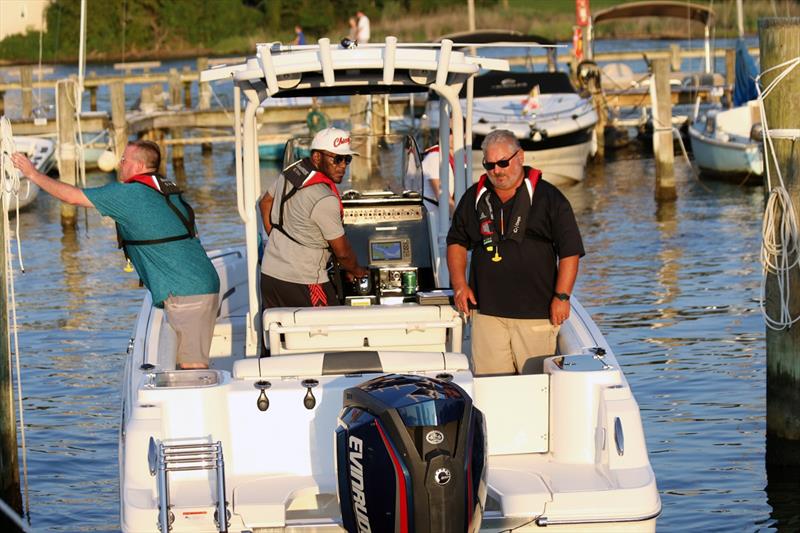
By BMC William Balcerski,
USCG (ret.) / Founder, Boatsman’s.com
“Every day is a training day.”
“You’re only as strong as your crew.”
I used to hear these phrases all the time in the Coast Guard—and over the years, I’ve come to realize how true they really are.
During Search and Rescue missions, teamwork and preparation aren’t optional—they’re what keep people alive. Most recreational boaters won’t face that level of intensity, but the core idea still applies: Seamanship is a skill that fades if you don’t practice it.
If you own a boat and regularly take family or friends out, taking a little time to prepare them isn’t just a good idea—it can make all the difference when it matters most. Emergencies don’t come with warnings, and in those moments, knowing what to do is everything.

If you’re the only one on board who knows how to operate the boat, you’re carrying all the responsibility yourself—potentially creating unnecessary risk.
At a minimum, at least one other person on board should feel comfortable with the basics:
If you regularly boat with the same people, investing a little time to walk them through these things can go a long way.
A few years ago, my family and I took our 27-foot Sea Ray down to Bahia Honda State Park. It was one of those perfect Florida days—calm water, clear skies, just enjoying time together.
I had always planned to teach my family more about the boat. Like a lot of people, I kept putting it off.
That day, I was the only one who knew how to run the boat, operate the anchor system, or use the radio.
Later in the afternoon, as everyone climbed back aboard, I stepped onto the ladder between the outdrives…and slipped. My foot hit the propeller, and the blade cut deeply between my toes.
There was a lot of blood. A lot of shock. And understandably, a lot of panic.
I did my best to stay calm, but it quickly became clear that we had a bigger problem. No one else on board knew how to operate the boat, lift the anchor, or call for help.
We were only about 600 yards from the marina… but it might as well have been miles.
I wrapped my foot in a towel and talked my family through what to do, step by step. We were able to get moving and make it back to the dock—but even then, tying up the boat became another challenge. In the confusion, one person even fell overboard trying to help.
Thankfully, everything worked out. We secured the boat, called for help, and I was taken to the hospital, where surgeons were able to save my toe.
We went home that night shaken, grateful, and with a completely different perspective.
That experience changed the way I approach boating.
I realized that not preparing my family wasn’t just something I had overlooked; it could have had much more serious consequences. If I had been unconscious, they wouldn’t have known where to start.
Most days on the water are relaxing and uneventful—and that’s exactly how it should be. But if something does go wrong, preparation is what makes the difference.
We were lucky. Not everyone is.
You don’t need to run your boat like a military operation.
But if you regularly go out with the same people, it’s worth taking a little time to show them the basics. Practice together. Build confidence. Make sure they feel comfortable stepping in if they ever need to.
An added benefit—you’ll sharpen your own skills just by teaching them.
Because the day you skip the training…
might be the day you need them the most.
Safe boating,
William B.
A good day on the water can turn expensive fast when a lower unit meets an unmarked obstruction, a storm
A calm morning at the ramp can make any boat look like the right boat. The real difference shows up