
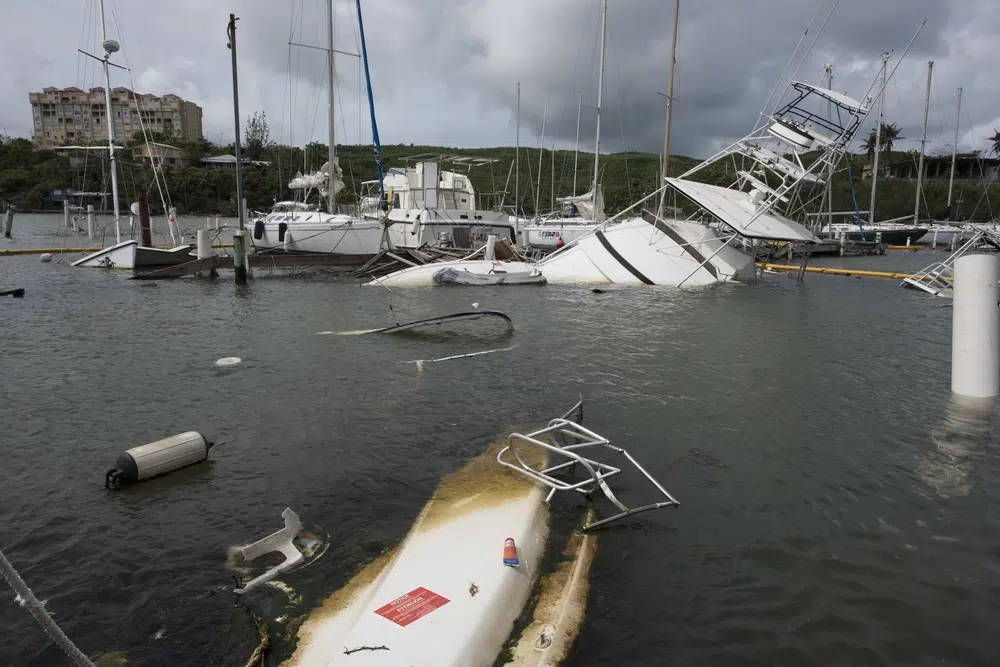
Best Boat Insurance for Florida Boat Owners
A good day on the water can turn expensive fast when a lower unit meets an unmarked obstruction, a storm
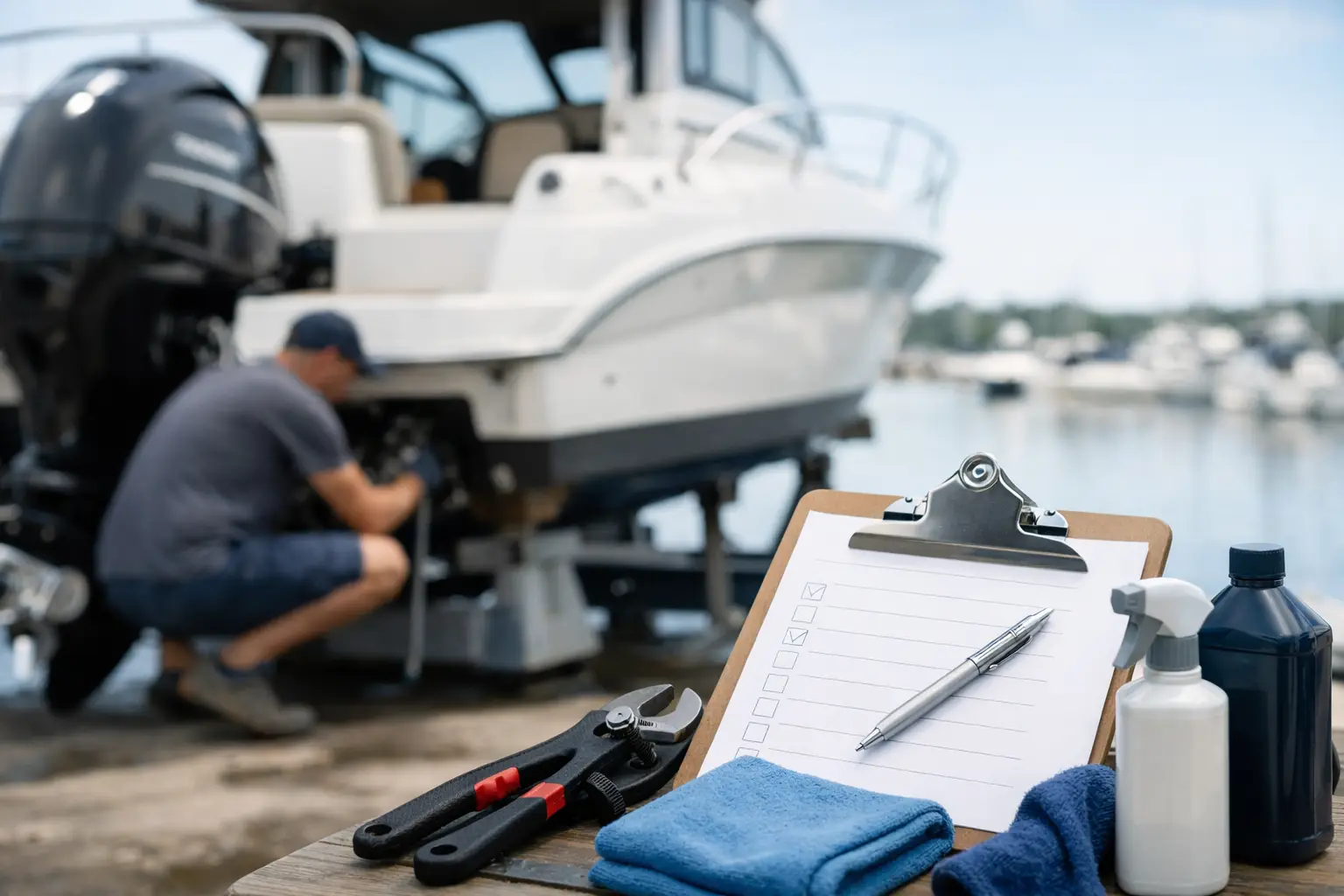
A dead battery at the ramp, a bilge pump that quits when you need it, or cracked fuel lines halfway through tarpon season – most of those headaches start long before the day goes sideways. A solid boat maintenance checklist keeps small issues from turning into expensive repairs, missed trips, or safety problems offshore.
For most boat owners, maintenance is less about perfection and more about rhythm. If you know what to inspect before the season, what to watch monthly, and what to handle before storage, your boat stays more reliable and usually costs less to own over time. That matters in Florida and other coastal markets, where heat, salt, humidity, and UV exposure work on your boat year-round.
Boats live hard lives. Even when they are tied up at the dock or sitting on a trailer, they are exposed to corrosion, moisture, vibration, and sunlight. Saltwater speeds that process up, but freshwater boats are not exempt. Wiring corrodes, seals dry out, pumps stick, and fuel degrades whether you notice it or not.
A checklist helps because memory is not a system. Most owners remember the big items like oil changes and battery charging. What gets missed are the smaller problems that become the costly ones – a loose hose clamp, a trailer hub running hot, a brittle primer bulb, or an expired fire extinguisher. None of those are dramatic until they are.
There is also a value side to maintenance. A clean, documented, well-kept boat generally holds its resale value better than one with patchy service history and visible neglect. Buyers notice whether a boat feels cared for, and so do mechanics during inspections.
If your busiest boating months are spring through early fall, pre-season is the time to reset the boat and catch issues while you are still on land. Start with the hull. Look for blisters, cracks, gouges, loose fittings, and any signs that previous repairs are failing. Check through-hull fittings and seacocks for corrosion or stiffness. On trailered boats, inspect bunks and rollers too. Damage often starts where the boat sits.
Move next to the engine and fuel system. Change engine oil and filters on schedule, not by guesswork. Inspect belts, hoses, clamps, and fuel lines for softness, cracking, or leaks. Replace water-separating fuel filters if they are due. If the boat sat for months, pay attention to old fuel. Sometimes a stabilizer is enough. Sometimes stale fuel causes rough running, hard starts, and injector issues. It depends on how long it sat, how full the tank was, and how it was stored.
Cooling systems deserve extra attention, especially in warm climates. Check the raw water impeller according to the manufacturer schedule and inspect telltale flow on outboards. Overheating damage gets expensive fast, and impellers have a habit of failing at the worst time.
Electrical checks should be simple but thorough. Test the battery, clean terminals, and make sure connections are tight. Turn on navigation lights, bilge pumps, livewell pumps, horn, VHF, and electronics one by one. If something works intermittently at the dock, it will usually fail completely when you are away from it.
Finally, go through safety gear. Confirm life jackets are in good shape and sized for the people who actually boat with you. Check fire extinguishers, visual distress signals where required, first aid supplies, and throwable flotation. This is not glamorous maintenance, but it is the gear you count on when the day stops being routine.
The best maintenance habit is a short dockside walkaround before every launch. It takes a few minutes and catches an impressive number of problems.
Check battery charge, fuel level, engine oil, where applicable, and bilge condition. Make sure the drain plug is installed. Look at the propeller for damage or fishing line around the shaft. Confirm steering moves smoothly, lock-to-lock, and throttle shifts cleanly. Test lights, pumps, and electronics before leaving the slip or ramp.
If you trailer your boat, add the trailer to your normal routine. Tires should have proper pressure and no sidewall cracking. Wheel bearings, lights, straps, safety chains, and the winch all matter. Plenty of great days on the water have been ruined in the parking lot because the trailer was treated like an afterthought.
A monthly inspection is where ownership gets cheaper. Corrosion, water intrusion, and wear are easier to fix early than late.
Start with the battery and charging system. Look for swelling, corrosion, loose terminals, or signs the battery is not holding a charge. If you run multiple electronics, trolling motors, or pumps, weak batteries show up fast. Charging issues are not always the battery itself. Sometimes the problem is a bad connection, a charger fault, or an alternator not keeping up.
Inspect all visible wiring for chafe, green corrosion, or amateur repairs. Marine electrical problems are often caused by poor terminals or unprotected splices. A small wiring issue can become a reliability issue, or worse, a fire risk.
Then check hoses, clamps, and pumps. Bilge pumps and float switches should activate properly. Washdown and livewell pumps should prime and run without surging. Seals around hatches and consoles should still keep water out. Water where it does not belong has a way of finding expensive places to go.
Clean and protect what the sun and salt attack most. Upholstery, plastic, stainless hardware, and gelcoat all benefit from regular washing and appropriate protectants. Not every product belongs on every surface, so use the right one for vinyl, metal, acrylic, or fiberglass. A shiny finish is nice, but the real goal is slowing down UV damage and corrosion.
Saltwater boats need the same core maintenance as any other boat, but the margin for neglect is smaller. Salt gets into everything – electrical connections, trailer components, steering systems, hinges, and hardware. If you keep a boat in saltwater or fish coastal waters regularly, flushing and rinsing are not optional habits.
After each use, flush the engine according to the manufacturer’s instructions, rinse the hull and hardware with fresh water, and wash salt residue off the decks, rails, and trailer parts. That does not mean blasting everything carelessly with a pressure washer. Too much pressure can force water into places it should not go.
Pay close attention to corrosion control. Check sacrificial anodes and replace them when they are significantly worn. If your boat stays in the water, bottom growth and galvanic corrosion deserve a more disciplined schedule. The right interval depends on where the boat is kept, how often it is used, and whether it is kept on a lift, on a trailer, or in a slip.
When the boating season slows down, storage prep becomes your next line of defense. Clean the boat thoroughly before covering it. Dirt, fish residue, and moisture left in compartments create stains, odors, and mildew that are much harder to deal with later.
Treat fuel if the boat will sit, and follow engine winterization needs based on your location and engine type. In Florida, winterization is often lighter than it is up north, but “lighter” does not mean “skip it.” Even here, batteries discharge, fuel ages, and moisture finds its way into systems.
Remove or secure valuables and electronics as needed. Ventilation matters during storage, especially under covers. A tightly sealed boat in humid weather can become a mildew factory. Good covers protect from UV and water, but they still need airflow and proper support.
One of the smartest parts of any boat maintenance checklist is writing things down. Track oil changes, impeller replacement, battery age, trailer service, and any recurring issues. You do not need a complicated system. A notebook, maintenance log, or simple spreadsheet is enough if you actually use it.
Service records help you spot patterns. If a battery keeps draining, if a pump has failed twice, or if trailer tires are aging out before the tread is gone, your notes make the problem easier to solve. They also help when ordering parts and speaking with a mechanic, because “it started making a noise sometime last summer” is not much to work with.
Some maintenance belongs in every owner’s wheelhouse. Cleaning, inspection, battery care, fluid checks, trailer checks, and basic corrosion prevention are practical jobs for most boaters. More technical work depends on your experience, tools, and comfort level.
Fuel system repairs, major electrical troubleshooting, lower unit service, steering issues, and anything involving structural damage are often worth handing to a qualified technician. Doing it yourself can save money, but only when the repair is done right. There is no bargain in redoing a failed fix after it strands you or damages the engine.
A good checklist does not make boat ownership complicated. It makes it more predictable. Spend a little time with your boat before problems show themselves, and you will usually get more days on the water, fewer surprises at the ramp, and a lot more confidence every time you leave the dock.
Safe Boating,
William B.
A good day on the water can turn expensive fast when a lower unit meets an unmarked obstruction, a storm
A calm morning at the ramp can make any boat look like the right boat. The real difference shows up