
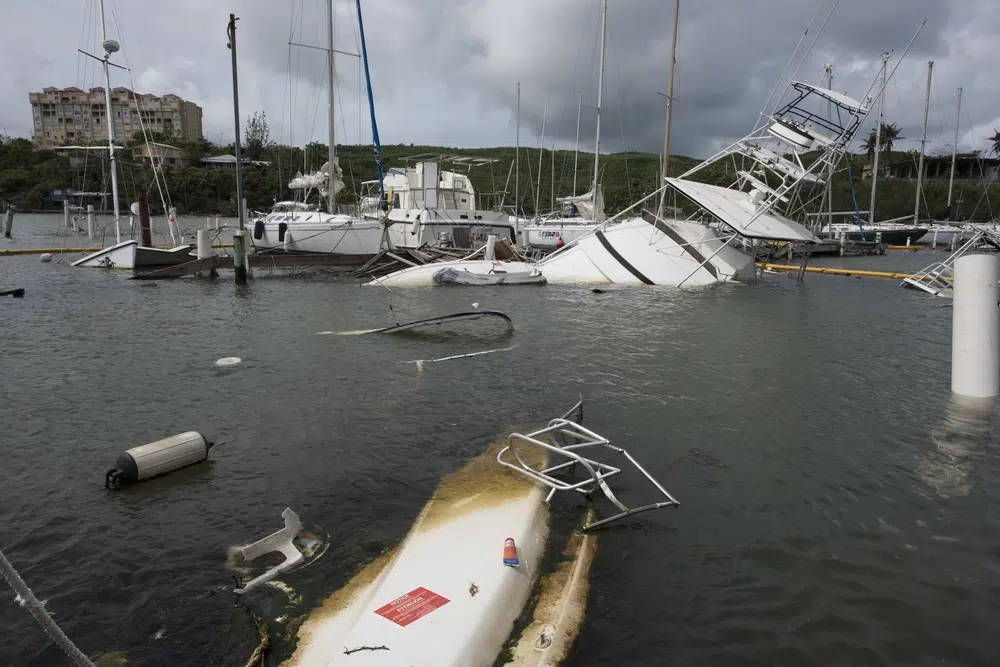
Best Boat Insurance for Florida Boat Owners
A good day on the water can turn expensive fast when a lower unit meets an unmarked obstruction, a storm
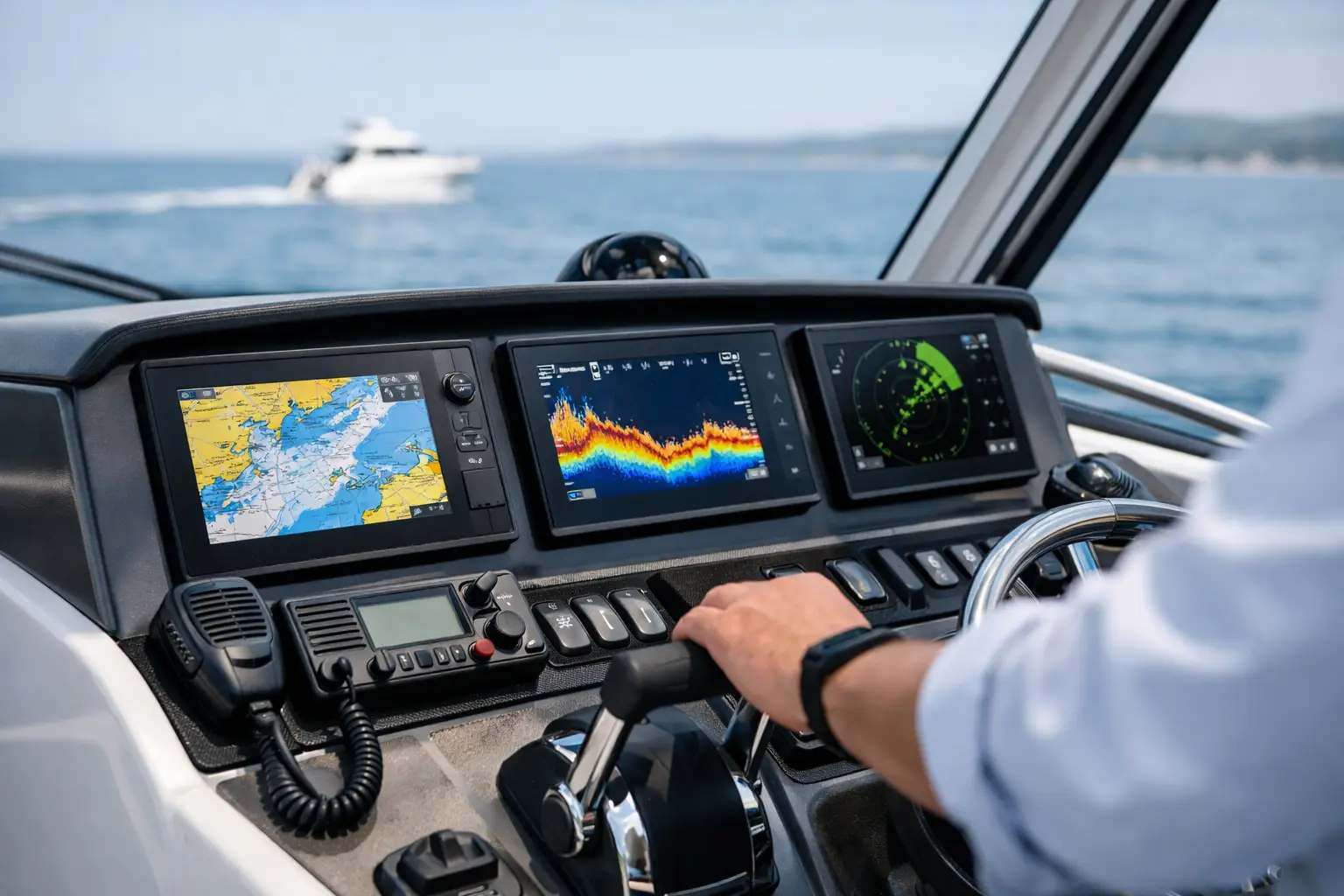
A lot of boaters spend too much on marine electronics they never really use, or too little on the one feature that would have made every trip safer and easier. That is usually what makes choosing marine electronics feel harder than it should. The real job is not buying the fanciest screen on the shelf. It is matching the system to the way you actually run your boat.
For a Florida center console that sees nearshore fishing, sandbar runs, and the occasional change in weather, the right setup may look very different from what works on a bay boat, skiff, or cruising boat. Brand names matter, but not as much as the questions you ask before you buy. If you get those questions right, the rest gets a whole lot simpler.
The best way to choose marine electronics is to begin with your real-world use. Think about where you boat, how often you go out, who is usually aboard, and what problems you want the electronics to solve. A weekend angler running inshore and nearshore water has very different needs than someone making long offshore runs before daylight.
If your boating revolves around navigation in familiar water, a dependable chartplotter and VHF radio may do most of the heavy lifting. If you fish seriously, sonar and transducer quality can matter more than having the biggest display. If you run in fog, darkness, or crowded inlets, radar may move from nice-to-have to essential.
This is where a lot of people get sideways. They shop by screen size first, then try to justify the rest of the package around it. It usually works better the other way around. Pick the functions that matter most, then choose the display that supports them.
Most recreational boaters can think in five categories: navigation, fishfinding, communication, situational awareness, and integration. You do not need to max out all five.
For most boats, the chartplotter is the foundation. You want a unit that is bright enough for full sun, simple enough to use underway, and large enough to read without squinting. On a small helm, an oversized screen can actually make things worse if it crowds out gauges or blocks sightlines.
Pay attention to chart compatibility and update options. A great screen with poor chart detail for your area is not much of an upgrade. Coastal boaters should also think about ease of waypoint management, tide and depth data, and whether split-screen views are useful for the way they run.
If you fish, the transducer matters every bit as much as the display. Sometimes more. Many boaters overspend on a premium multifunction display and then pair it with an average transducer, which limits what the sonar can actually show.
Consider your target depth, bottom type, and fishing style. Inshore anglers may care more about crisp detail in shallower water. Offshore anglers often need stronger deep-water performance and may benefit from CHIRP, side scan, or down scan, depending on how they locate fish and structure. The trade-off is cost and complexity. More sonar features can be useful, but only if you learn to interpret them.
A fixed-mount VHF radio is still one of the smartest pieces of gear you can put on a boat. Cell phones help, but they are not a replacement. If you boat beyond quick cell coverage or run in weather-prone areas, VHF with Digital Selective Calling is worth having and worth wiring correctly.
An AIS receiver or transceiver may also make sense if you run around commercial traffic, busy inlets, or low-visibility conditions. Not every recreational boater needs it, but for some, it adds a serious margin of awareness.
Radar is one of those tools that some boaters never touch, and others would not leave the dock without. If you mostly boat on clear days in familiar waters, it may be low on the list. If you leave before sunrise, come home after dark, or deal with squalls, fog, and traffic, radar can be a very practical investment.
Autopilot falls into a similar category. It sounds like a luxury until you spend long hours trolling, making offshore runs, or handling the boat short-handed. Then it starts to feel more like relief.
Networking can be a blessing or a headache. A connected system can let your chartplotter share data with radar, sonar, VHF, AIS, engine displays, and autopilot. That can clean up the helm and make the whole boat easier to manage.
But integration is also where costs climb fast. If you are outfitting a smaller boat, a simple standalone setup may be the smarter move. There is nothing wrong with keeping a system straightforward if it covers what you actually need.
When boaters compare units, they often get drawn into feature lists and forget the practical side. Can you read the screen in bright sun with polarized sunglasses on? Can you tap the controls with wet hands? Are the menus intuitive enough that you can make changes quickly while steering or watching a spread?
Bigger is not automatically better. A 12-inch screen can be fantastic on the right console, but on some boats, an awkwardly mounted large display is harder to use than a well-placed 9-inch unit. Touchscreen controls are fast and clean, but physical buttons can still be easier in rough water. Many boaters end up happiest with a unit that offers both.
A marine electronics package is only as good as the installation behind it. Before you buy, confirm your helm has the space, mounting options, wiring access, and power capacity for the equipment you want. A clean install is not just about looks. It affects reliability, serviceability, and long-term corrosion resistance.
This matters even more on older boats. You may discover that adding a new multifunction display also means replacing tired power leads, reorganizing the fuse panel, or updating connectors. That adds cost, but it is often money well spent. Electronics do not like voltage drops, sloppy grounds, or saltwater intrusion.
If you are adding sonar, transducer placement is another make-or-break issue. A high-end fishfinder will underperform if the transducer sits in turbulent water or is mounted poorly for your hull type. That is one reason experienced boaters often talk about the installation at least as much as the product itself.
One of the most useful answers to how to choose marine electronics is this: budget for the full package, not just the display. That includes charts, transducers, antennas, mounts, networking components, wiring, breakers, and installation if you are not doing the work yourself.
A smart budget also leaves room for the gear that protects the investment. Sun covers, proper connectors, and quality mounting hardware do not feel exciting at checkout, but they help electronics last in a saltwater environment.
If the budget is tight, buy in phases. Start with the equipment that improves safety and daily usability first. For many boaters, that means a chartplotter, a VHF, and reliable sonar. Radar, AIS, and autopilot can come later if your boating style justifies them.
Technology moves quickly, but marine electronics are not disposable purchases. It makes sense to think a little ahead. If you may add radar later, choose a display that can support it. If you plan to expand into offshore fishing, do not box yourself into a unit with limited sonar options.
That said, future-proofing has limits. Paying now for advanced features you may never use is not always wise. The better approach is to choose a platform with sensible room to grow, while keeping the current setup aligned with how you actually use the boat.
This is where honest advice matters. A good marine supplier should help you separate useful upgrade paths from expensive distractions. That practical, no-nonsense guidance is what experienced boaters usually appreciate most.
The most common mistake is buying too much screen and not enough system. The second is focusing on the display brand while ignoring the transducer, installation quality, or chart coverage. Another is underestimating glare, helm space, and the unit’s operating conditions.
There is also a tendency to shop for offshore-grade capability on a boat that rarely leaves local water. Better electronics can certainly make boating easier, but the goal is not to impress the dock. It is to build a setup that works every time you leave it.
At Boatsman’s, that is the lens worth using. Good marine electronics should give you confidence, not a stack of features you never touch.
The right setup is the one that feels clear at the helm, dependable in bad weather, and useful on an ordinary Saturday – because that is where most real value shows up, trip after trip.
Safe Boating,
William B.
A good day on the water can turn expensive fast when a lower unit meets an unmarked obstruction, a storm
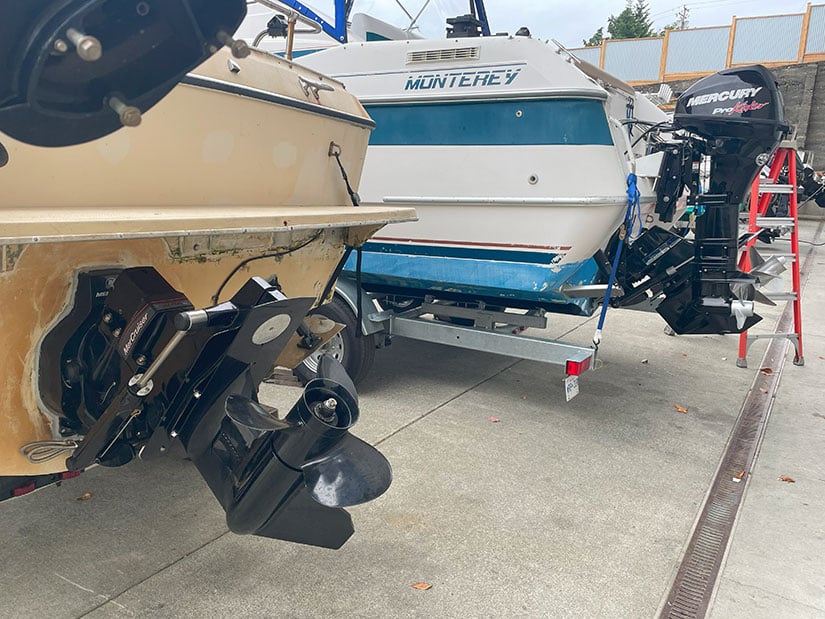
A calm morning at the ramp can make any boat look like the right boat. The real difference shows up