
Boat Broker Versus Dealer: Which Fits Your Buy?
A clean center console catches your eye at the marina. The price looks fair, the electronics are current, and the
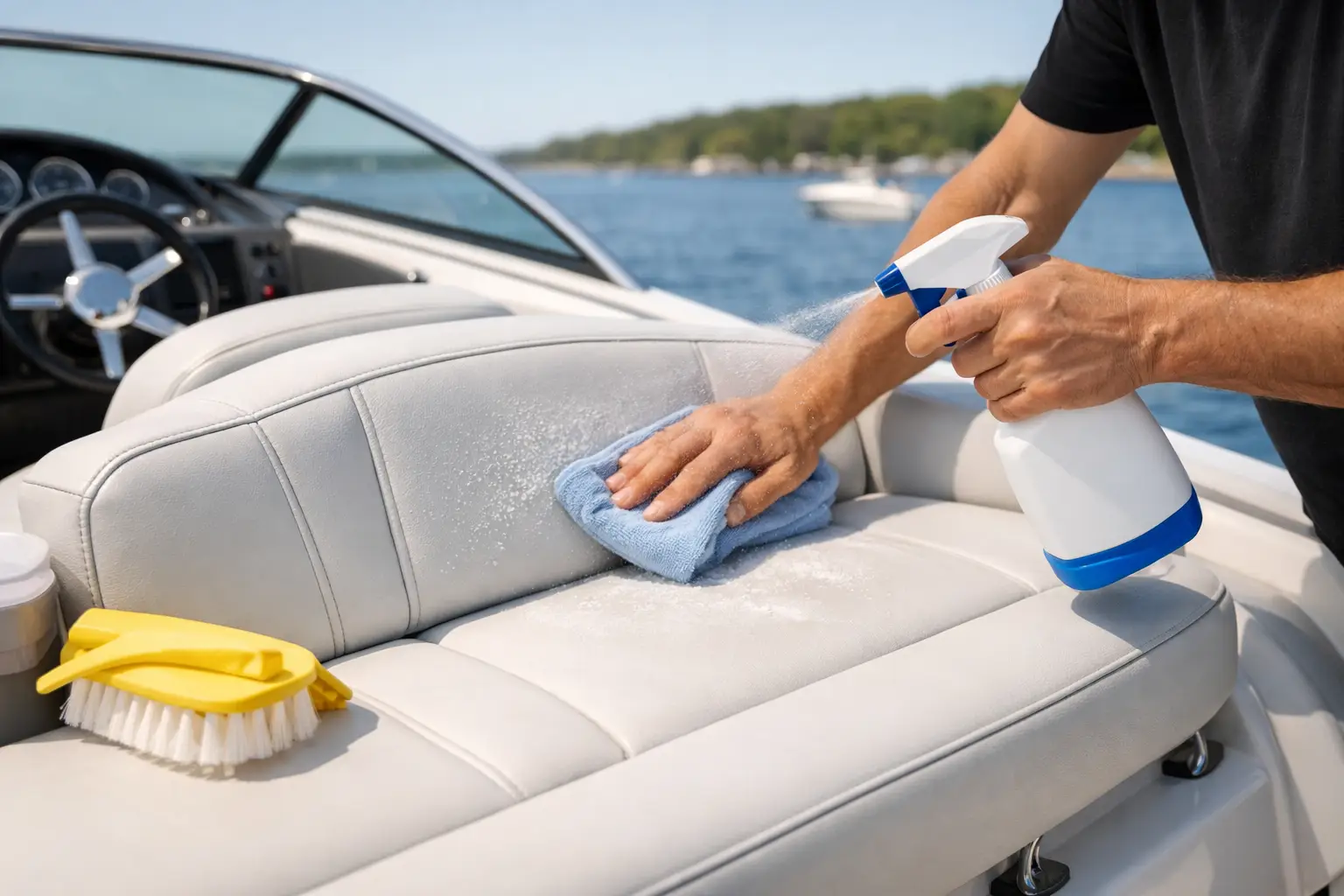
The worst part of a long day underway: The clean-up. But a day on the water can leave your seats looking rough fast. Sunscreen, fish slime, spilled drinks, mildew, salt spray, and plain old Florida sun all take a toll on marine vinyl. If you are wondering how to clean boat seats without drying them out, fading the color, or making stains worse, the good news is that the job is usually straightforward with the right method.
Boat seats are not like patio furniture cushions or car upholstery. Marine vinyl is built to handle moisture and UV exposure, but it still has limits. Scrub too hard, use the wrong cleaner, or let mildew sit too long, and you can shorten the life of the material in a hurry.
The safest approach is simple: remove loose dirt first, wash with a mild cleaner, treat stains carefully, rinse thoroughly, and finish with a protectant made for marine vinyl. That order matters. A lot of boat owners jump straight to stain removers or harsh household products, and that is where damage starts.
Before you use anything, test it on a small hidden spot. Even good cleaners can react differently depending on the vinyl’s age, how much sun it has received, and whether the seats have already been treated with another product.
Use a soft-bristled brush, a dry microfiber towel, or a vacuum with a brush attachment to remove sand, dried salt, crumbs, and loose grime. This first step is easy to skip, but it makes a difference. If you apply cleaner over grit and then scrub, you can grind debris into the surface, leaving light scratches.
Pay attention to seams, piping, and the creases where the backrest meets the cushion. Those spots trap moisture and dirt, and they are usually where mildew starts.
For routine cleaning, warm water and a small amount of mild boat soap or gentle dish soap is usually enough. Dampen a microfiber cloth or soft sponge and clean the seat in sections. You want the surface wet, not soaked.
A soft-bristle brush can help on textured vinyl, but keep your pressure light. Marine vinyl is durable, not indestructible. If the seat looks cleaner after one pass, that is a good sign that you are using enough cleaner and not too much force.
After washing, rinse with a clean damp cloth to remove soap residue. Then dry the seats with a towel. Letting soap sit on the surface can attract more dirt and may leave the vinyl looking dull.
Not every stain needs the same treatment. That is where many boat owners get frustrated. They use one strong cleaner for everything, and sometimes the stain stays while the vinyl gets damaged.
Mildew is one of the most common problems, especially in humid coastal areas where a covered boat still traps moisture. If the mildew is light, a marine vinyl mildew cleaner or a mild soap solution may lift it without much effort. Work it in gently with a soft brush, then wipe and rinse well. The best Mildew remover I have worked with is Star Mildew Stain Remover. Star brite Mildew Stain Remover – 32 oz | Boatsman. Not to say that the others are not good, but I have found through experience that this works the best.
If the stain remains, it may no longer be active mildew. Often, what is left behind is discoloration that has soaked into the material. At that point, stronger products may help, but there is a trade-off. The more aggressive the cleaner, the greater the chance it strips protective coatings or dries out the vinyl.
Bleach is the big caution here. Some people use a diluted bleach solution, and yes, it can remove mildew. It can also weaken stitching, fade color, and damage the backing or foam if overused. On older seats, bleach can do more harm than good. If you use it at all, use it sparingly, dilute it properly, avoid soaking seams, and rinse thoroughly.
Sunscreen is sneaky. It often leaves yellowish or greasy patches that look mild at first and darken over time. Start with mild soap and water. If that does not work, use a marine-safe vinyl cleaner designed for body oils and cosmetic residue.
Do not reach for degreasers meant for engines or shop floors. They are too aggressive for seat surfaces and can pull moisture from the vinyl. The seat may look clean for the moment, but it can become stiff or chalky later.
These are best handled quickly. Fresh stains usually come out with soap and water if you catch them early. If they have dried, let your cleaner sit for a minute or two before wiping. That short dwell time often matters more than hard scrubbing.
For stubborn organic stains, a marine upholstery cleaner is usually safer than a household stain remover. Household formulas may contain solvents that work fine indoors but are too harsh for marine seating.
If there is one rule worth keeping in mind, it is this: just because a cleaner is strong does not mean it is smart.
Avoid magic erasers on regular cleanings. They can work, but they are mildly abrasive and can wear down the finish. Avoid straight bleach, harsh degreasers, acetone, lacquer thinner, and most all-purpose household sprays unless the label clearly says they are safe for marine vinyl.
Pressure washers are another bad bet for seats. They can force water into seams, damage stitching, and lift weakened vinyl. What looks efficient on a dock can turn into expensive upholstery work later.
Cleaning is only half the job. If you stop there, the seats are clean but still exposed to UV, salt, moisture, and grime. A good marine vinyl protectant helps preserve flexibility, reduce fading, and make routine cleanup easier. The best product I have found for this is 303 Marine Aerospace Protectant. 303 Marine Aerospace Protectant – 16oz | Boatsman
It provides maximum UV protection from the hot Florida sun while making anything that’s on look great. We used it in the military on a per-caseload basis.
Apply protectant only after the seat is fully clean and dry. Otherwise, you can seal in dirt or mildew residue. Use a thin, even coat and buff away excess with a clean microfiber cloth. You are aiming for protection, not a slick or greasy finish.
This step matters most in hot, sunny areas like Florida, where UV damage can age vinyl fast. A seat that is regularly cleaned and protected usually lasts longer, keeps its color better, and resists cracking.
Even the best protectant cannot overcome bad storage habits. If your boat stays outside, use a proper cover, but make sure it allows some ventilation. A tightly sealed cover in humid weather can turn into a mildew trap.
If possible, crack open the compartments on dry days, remove any standing water promptly, and avoid storing wet towels or life jackets on the seats. A little airflow goes a long way.
For most recreational boaters, a light wipe-down after each trip and a more thorough cleaning every few weeks during the season works well. If you fish often, cruise with kids, or boat in salt-heavy conditions, you may need to clean more frequently.
The key is not letting dirt bake in. Boat seats are easier to maintain when you treat cleaning as routine upkeep instead of a once-a-season rescue mission. That is usually cheaper too.
Sometimes a seat still looks bad after you clean it properly. That does not always mean you missed a step. Older vinyl can discolor from age, sun exposure, oxidation, or mildew that has penetrated below the surface. Cracking, hardening, and peeling are signs that the material itself is breaking down.
At that stage, no cleaner is going to bring it fully back. You may improve the appearance, but restoration has limits. Honest maintenance advice means knowing when cleaning helps and when replacement is the better call.
For boaters who like to stay ahead of problems, keeping the right marine cleaners and protectants on hand makes a big difference. That is part of the Boatsmans mindset – practical gear, fair value, and no guesswork when it comes to taking care of your boat.
If you remember one thing, make it this: clean gently, rinse thoroughly, protect the vinyl, and do it before stains set deep. Your seats will look better, last longer, and feel a whole lot better the next time you head offshore or idle into a quiet back-bay sunset.
Safe Boating,
William B.
A clean center console catches your eye at the marina. The price looks fair, the electronics are current, and the
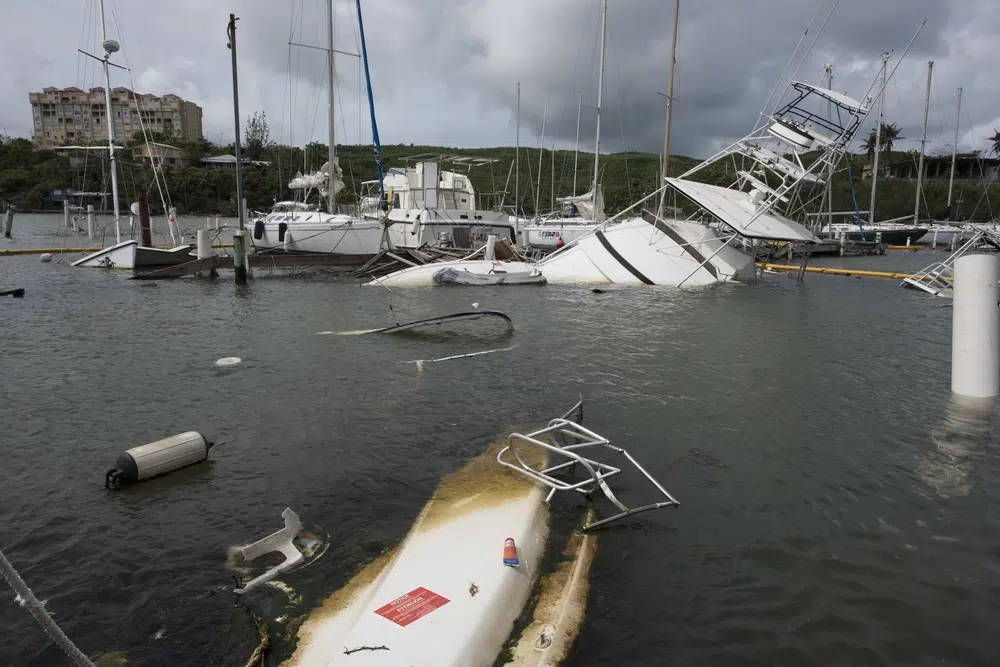
A good day on the water can turn expensive fast when a lower unit meets an unmarked obstruction, a storm