
Best Boat Insurance for Florida Boat Owners
A good day on the water can turn expensive fast when a lower unit meets an unmarked obstruction, a storm
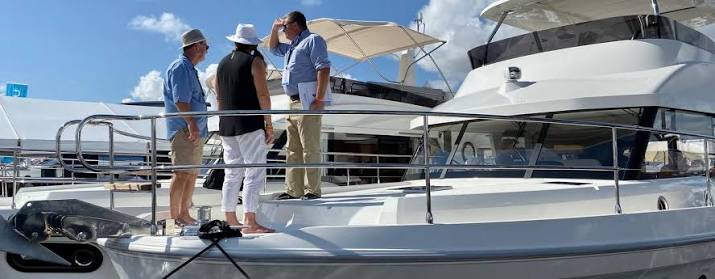
A clean center console catches your eye at the marina. The price looks fair, the electronics are current, and the seller says it has been “meticulously maintained.” Before you start arranging a survey, one question shapes nearly everything that follows: are you dealing with a broker or a dealer? In the boat broker versus dealer decision, the right answer depends less on the sign over the door and more on the boat, the transaction, and the level of support you expect after closing.
For Florida boaters, that distinction matters. A boat is not a simple retail purchase. Condition, title history, financing, trade value, survey findings, sea trial performance, and service access all affect whether a good-looking deal stays a good deal once it leaves the dock.
A boat dealer generally sells new boats from one or more manufacturers and may also sell used boats, trade-ins, and brokerage listings. Their business centers on inventory, manufacturer relationships, financing options, parts, rigging, and service. Depending on the dealership, you may find a new bay boat, a pre-owned offshore fishing machine, and a fresh repower all handled in one place.
The biggest advantage of buying new through a dealer is the established support system. A dealer can explain factory options, arrange installation, process warranty work, and often provide an orientation before you take the boat home. For a first-time owner or someone moving into a larger, more complex boat, that handoff has real value.
Dealers can also make a trade-in straightforward. You may not get the same number you could potentially earn selling privately, but you avoid advertising, showing the boat, coordinating sea trials, and waiting for the right buyer. That convenience has a cost, and it should be reflected in the offer, but it can be a sensible choice when your time matters.
Used inventory at a dealer deserves the same careful review as any other used boat. A dealer may inspect, service, and recondition a trade-in before listing it, but “dealer sold” does not automatically mean every system has been rebuilt or every future repair is covered. Ask exactly what work was completed, what documentation is available, and whether any warranty is included in writing.
A boat broker typically represents the owner of a pre-owned boat by marketing it, qualifying buyers, coordinating showings, managing offers, and guiding the closing process. Brokers are especially common with larger cruising boats, sportfishers, yachts, and well-equipped used vessels, though they handle boats across many price ranges.
The broker usually isn’t the boat’s owner. Instead, they are an intermediary with a listing agreement and a commission arrangement. Their job is to put the vessel in front of serious buyers and help bring the transaction to a proper close. A good broker knows the local market, understands comparable boats, and can spot the difference between a buyer who is ready to move and one who is just collecting dockside stories.
For sellers, a broker can save a lot of effort. They handle inquiries, filter out unrealistic prospects, organize showings, and help keep paperwork from becoming an afterthought. This is especially useful when the boat is in another state, the owner has moved on to a new vessel, or the boat requires a buyer with specialized knowledge.
For buyers, a broker can be valuable when searching for a specific used model or a boat with a particular layout, engine package, or fishing setup. A knowledgeable broker may know of boats that haven’t been widely advertised or help you compare options honestly. Still, remember the brokerage relationship: the listing broker often works for the seller. Be clear about who represents whom and do not assume the broker is acting as your personal advocate unless that arrangement has been explicitly established.
The cleanest distinction is ownership and support. A dealer may own its inventory, represent manufacturers, and support the sale with finance, service, rigging, and warranty resources. A broker generally markets a boat owned by someone else and focuses on matching that vessel with a qualified buyer.
That difference affects pricing. A dealer may have more flexibility on a new boat package when incentives, financing programs, engine promotions, or aging inventory are involved. On a brokerage boat, the seller ultimately decides what price is acceptable, although an experienced broker can provide market guidance and help negotiate terms.
It also affects the condition of the boat you are considering. New dealer inventory should arrive with factory warranties, but the buyer should still verify the exact coverage for the hull, engines, electronics, trailer, and installed accessories. A brokerage boat is normally sold used and often as-is, subject to whatever terms are written into the purchase agreement. That does not mean you should skip due diligence. It means you should take it more seriously.
The service relationship can be another deciding factor. A strong dealer may become your regular service point, especially for warranty work, annual maintenance, and upgrades. A broker may help you find local resources, but ongoing service is not usually their core role. If you keep your boat in a remote marina or run it hard through a long Florida season, access to reliable service can be worth more than a small difference in purchase price.
A dealer is often the better choice when you want a new boat, need financing, have a trade-in, or prefer a single point of contact for the purchase and the first round of service. It can also be the better path when you are comparing several brands and want to see how they are equipped side by side.
Consider a dealer if you are stepping up from a 20-foot bay boat to a 30-foot offshore platform. The learning curve may include twin outboards, joystick controls, battery management, radar, pumps, livewells, and more. A thorough delivery orientation and a service department that knows the boat can make those first months more enjoyable.
The trade-off is that you may pay more than you would in a private sale, particularly if the dealer has invested in reconditioning a used boat or is providing a limited warranty. That is not automatically a bad value. The key is knowing what you are getting for the difference.
A broker is often the better fit when you are shopping the used market for a particular make, model, year range, or layout. This is common with sought-after boats that are no longer produced, lightly used models with preferred power, or larger vessels with inventory spread across several coastal markets.
A broker can also be the right choice when selling a boat that deserves more than a quick classified listing. Detailed photos, accurate equipment records, market positioning, and qualified buyer screening can protect your time and help the boat reach the audience most likely to appreciate its value.
The trade-off is that a brokered sale may involve more independent legwork from the buyer. You will likely need to arrange a survey, engine inspection, insurance, financing, and transport or delivery. A capable broker can coordinate much of the process, but the buyer should still own the decisions.
Whether you buy from a dealer or through a broker, do not let a polished presentation replace verification. Request maintenance records, engine-hour reports, title documentation, lien information, and a complete equipment list. Make sure the hull identification number, engine serial numbers, trailer documentation, and listed accessories all match the paperwork.
For most used boats, a professional marine survey and a proper sea trial are well worth the cost. On an outboard-powered boat, an engine inspection by a qualified technician can be just as important as the hull survey. Electronics may power on at the dock but fail under load or have outdated components that are expensive to replace.
Read the purchase agreement before placing a deposit. Confirm what happens if the survey identifies significant issues, whether the deposit is refundable under agreed conditions, which items stay with the boat, and who is responsible for repairs, haul-out costs, or documentation fees. If the boat is documented, financed, or titled in another state, allow extra time for paperwork.
A fair deal is not just the lowest advertised number. It is a boat with clear ownership, a believable maintenance history, a condition that matches its price, and a path to reliable use once you take the helm. Ask direct questions, get the answers in writing, and choose the professional who treats your boating plans with the same care you do.
Safe boating,
William B.
A good day on the water can turn expensive fast when a lower unit meets an unmarked obstruction, a storm
A calm morning at the ramp can make any boat look like the right boat. The real difference shows up