
Is Marine Supply Pricing Transparent? A Buyer’s Guide
Marine supply pricing is transparent only when you check the full cost. Our Florida veteran’s checklist shows how to compare the full cost before you buy.
Use code SAVE25 for 25% off!
Discount may not be used for Weems and Path products Dismiss

A steering wheel that suddenly feels stiff, sloppy, or completely unresponsive can quickly turn a good day on the water into a bad one. Boat steering problems are more than an inconvenience, especially when you are approaching a crowded fuel dock, running a narrow Florida channel, or trying to hold position near an inlet. The right response is not to force the wheel and hope it frees up. Slow down, keep clear of hazards, and find the cause before the next departure.
Most steering trouble gives some warning. A little extra play at the wheel, a new groan during turns, hydraulic fluid below the proper level, or a motor that reacts slowly to steering input can all signal that maintenance is due. Catching those signs early is far less expensive than dealing with an offshore failure.
The symptom often points you toward the system at fault. Mechanical cable steering, hydraulic steering, and electronic steering systems fail differently, although the immediate safety rule is the same: if you cannot reliably control the boat, do not operate it.
A wheel that is hard to turn may indicate a dry, corroded, kinked, or failing steering cable. On hydraulic systems, stiffness can come from a damaged helm pump, contaminated fluid, a seized steering cylinder, or a restricted hose. If the boat has sat through a humid summer or saltwater spray has reached an unprotected connection, check for corrosion early.
Too much free play is another common complaint. You turn the wheel several inches before the outboard, sterndrive, or rudder moves. Some play can be normal, particularly on older cable systems, but a sudden increase is not. Loose mounting hardware, worn cable ends, air in a hydraulic system, or worn linkage components can all be responsible.
A wheel that turns normally but produces little or no engine movement is more urgent. If possible, stop the boat in a safe area, use the engine controls carefully to avoid creating another hazard, and call for assistance when needed. Do not assume you can nurse it back to the ramp just because the water looks calm.
Before inspecting anything, secure the boat at the dock or on the trailer. Shut down the engine, remove the key, and keep hands clear of moving engine parts. If you have a twin-engine boat, remember that independent throttle and shift control may provide limited maneuvering ability, but it is not a substitute for working steering.
First, look at the visible steering components. At the helm, check whether the steering wheel, helm unit, and mounting fasteners are secure. At the engine, inspect the steering arm, link arm, tiller connection, and fasteners for looseness, missing hardware, severe rust, or obvious damage. On an outboard, look closely at the steering tube and tilt tube area, where salt buildup can create real trouble.
For hydraulic steering, inspect the helm, hoses, fittings, and cylinder for wetness or drips. Hydraulic fluid around a fitting is not something to wipe away and ignore. A small leak can draw air into the system, leading to soft steering, extra wheel turns, and reduced control. Check the fluid level only according to the steering manufacturer’s procedure, since overfilling or using the wrong fluid can create its own problems.
On cable systems, follow the cable route as far as you can see it. Watch for crushed sections, sharp bends, cracking jackets, or a cable that rubs against rigging or stored gear. Do not try to repair a damaged steering cable with tape, clamps, or improvised hardware. Replacement is the proper fix when a cable binds, corrodes internally, or shows physical damage.
Forcing the wheel is a common mistake. It can damage a helm, strip internal components, or leave you with no steering at the worst possible time. A binding cable or seized engine steering tube may sometimes loosen temporarily after lubrication, but temporary movement is not proof that the system is safe. Find and correct the underlying cause.
Mechanical cable steering remains common on smaller center consoles, skiffs, pontoons, and older recreational boats. It is simple, dependable when maintained, and relatively economical to replace. Its main weakness is moisture and corrosion, especially around the outboard steering tube.
A cable that becomes progressively harder to turn is often corroding internally or binding at the engine end. Removing the cable from the steering tube and cleaning the tube may help if the cable itself remains smooth and undamaged. However, if the cable feels rough, has rust at the ram, or binds through part of its travel, replacement is the safer decision.
Cable routing matters as much as cable condition. A replacement cable must have the correct length and be installed with broad, smooth bends. A cable that is too short or sharply routed may steer acceptably at first, then develop premature wear and stiffness. Measure carefully and confirm compatibility with the helm before ordering parts.
Hydraulic steering is popular on larger outboards, offshore boats, and many higher-horsepower boats because it provides smoother control and handles greater loads. It is dependable, but it is not maintenance-free.
Air in the system is one of the most recognizable hydraulic steering issues. The wheel may feel spongy, require extra turns, or turn without immediate response from the engine. Proper bleeding usually resolves the issue, but you must use the correct fluid and follow the system’s procedure. Mixing incompatible fluids or skipping the manufacturer’s bleeding sequence can damage seals and leave air trapped inside.
Leaks deserve more attention than many owners give them. Inspect hose fittings at the helm and cylinder, as well as the cylinder seals. Saltwater can accelerate corrosion around fittings, while repeated engine movement can stress hoses. Replace hoses that are chafed, swollen, cracked, or leaking. If a steering cylinder seal is leaking, have a qualified marine technician rebuild or replace it rather than waiting for it to worsen.
If the wheel locks, the cylinder looks damaged, or you suspect the helm pump, professional service is the wise move. Steering is a critical control system, not a place to experiment with parts that may not match your boat’s capacity or configuration.
Not every apparent steering issue starts at the helm or in the cable. Outboard linkage and engine mounting hardware can create similar symptoms. A loose link arm, worn ball joint, damaged steering arm, or seized pivot point may cause wandering, delayed response, or a motor that will not turn through its full range.
With the engine off and the boat secured, inspect the linkage for obvious looseness and corrosion. Evaluate any play at a connection point against the engine manufacturer’s specifications. Do not replace steering fasteners with ordinary hardware-store bolts. Marine steering components require the correct grade, dimensions, locking method, and torque.
This is also a good time to inspect engine rigging. Cables, hoses, and wiring should move freely with the engine through its full steering and trim range. A hose caught behind the motor or a bundle tied too tightly can restrict movement and cause damage over time.
Boats with power-assisted, joystick, or integrated electronic steering can introduce another layer of diagnosis. A weak battery, corroded battery terminal, blown fuse, poor ground, or network fault may affect steering response or trigger warning alarms. Start with the basics: fully charged batteries, clean secure terminals, correct fuse ratings, and dry, protected electrical connections.
Do not bypass fuses or repeatedly reset a breaker that trips. Those protections are telling you something is wrong. Have a technician with the right diagnostic equipment service electronic steering systems, especially if the boat shows fault codes or loses assist intermittently.
A pre-departure glance at the steering system is useful, but an annual hands-on inspection is better. Turn the wheel from lock to lock while the boat is secured and listen for grinding, squealing, or uneven resistance. Look for fluid leaks, cable damage, corrosion, loose fittings, and rigging interference.
For boats used in saltwater, rinse exposed engine and steering areas after each outing and follow the engine and steering manufacturers’ lubrication schedules. Use only approved marine lubricants and hydraulic fluids. Keeping the bilge dry also protects hoses, wiring, and hardware from the moisture that quietly shortens component life.
Carry the equipment that helps you manage a steering-related emergency without creating a second problem: a properly charged VHF radio, required visual distress signals, life jackets for everyone aboard, and a dependable anchor with adequate rode. If steering fails near a channel, inlet, or busy marina, being able to communicate, signal, and hold position safely matters. Boatsmans carries these core safety and maintenance categories for boaters preparing their vessels before the next run.
Call for professional help if steering binds, hydraulic fluid leaks, a cable is visibly damaged, linkage hardware is worn, or electronic steering displays faults. It is also worth getting help if you have bled a hydraulic system correctly and the wheel remains soft or inconsistent.
A qualified technician can pressure-test hydraulic components, verify helm and cable compatibility, inspect engine steering hardware, and identify wear that is easy to miss at the dock. That service costs less than a collision, grounding, or a long tow home.
The best time to address steering is when the boat is tied safely to the dock, and the weather is still good. Give the wheel a deliberate check before you cast off, and treat any change in feel as the boat telling you it needs attention.
Safe Boating,
William B.
Marine supply pricing is transparent only when you check the full cost. Our Florida veteran’s checklist shows how to compare the full cost before you buy.
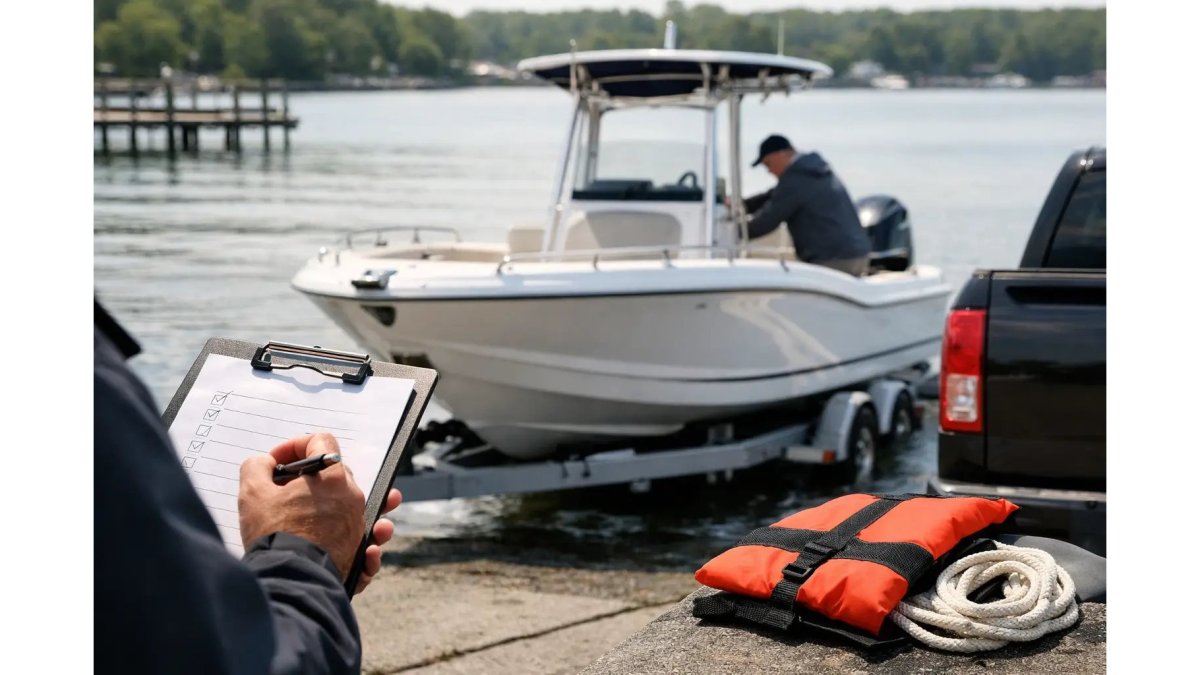
Affordable marine gear for center consoles starts with safety, lighting, and corrosion protection. Compare real prices and find gear that fits your layout.