
Is Marine Supply Pricing Transparent? A Buyer’s Guide
Marine supply pricing is transparent only when you check the full cost. Our Florida veteran’s checklist shows how to compare the full cost before you buy.
Use code SAVE25 for 25% off!
Discount may not be used for Weems and Path products Dismiss

Wrapping up an awesome week at IBEX 2026, one of the most intriguing innovations was the electric outboards. The trend continues to grow in popularity. Florida Bay is one place electric propulsion makes immediate sense: no exhaust at the dock, far less engine noise, and no fuel smell on your clothes before the first cast. But electric outboard market trends are not simply about replacing every gasoline engine with a battery. They are changing where electric power works best, what boaters expect from onboard electrical systems, and how carefully owners need to plan a repower.
For anglers, dinghy operators, waterfront homeowners, and boaters who spend time in protected waters, the appeal is easy to understand. The right electric outboard can make short trips quieter and simpler. The wrong setup can leave a boat short on range, dependent on an inconvenient charging routine, or carrying more battery weight than its hull can comfortably handle.
The first major shift is performance. Early electric outboards were largely viewed as small auxiliary motors for tenders and lightweight craft. That category remains important, but manufacturers now offer higher-output systems intended for skiffs, small center consoles, pontoons, and other recreational boats that once had only gasoline options. Better motor controls, higher-capacity lithium battery systems, and purpose-built charging equipment have made electric propulsion more practical for more owners.
The second shift is how boaters use their boats. An electric outboard is most compelling when a trip has a predictable distance and a reliable return to charging. Think of a canal cruiser, a lake boat, a tender between a dock and a larger vessel, or a flats angler making short, quiet moves. It is less compelling for a long offshore run, an all-day high-speed crossing, or a boat that must travel far from shore with no charging option.
That distinction matters in Florida. A quiet motor is a real advantage in backwaters, residential canals, and near sensitive habitat. Yet heat, afternoon weather, tidal current, wind, and a long run back to the ramp can all raise actual energy use. Rated range is a planning reference, not a promise.
The motor gets attention, but the battery system determines much of the ownership experience. Lithium batteries deliver more usable energy per pound than traditional lead-acid batteries and maintain voltage better under load. They also require a different approach to installation, charging, protection, and monitoring.
A complete system may include a dedicated battery bank, battery management system, charger, main fuse or circuit breaker, proper cable sizing, shutoff switch, and a display that shows remaining charge. Some systems use integrated batteries; others use modular banks. The best choice depends on the motor, available space, desired runtime, and whether the boat already carries a separate house battery for electronics, lights, bilge pumps, and accessories.
Don’t assume a larger battery bank automatically solves every range concern. More stored energy adds cost and weight. On a small skiff or dinghy, weight distribution can affect trim, handling, draft, and transom load. A careful installation begins with the boat’s capacity information and the electric propulsion manufacturer’s requirements.
Electric outboards are often discussed in horsepower equivalents, but boaters should focus just as closely on kilowatts, battery capacity, and expected operating speed. A motor that feels strong near the dock may consume energy quickly when pushed hard. Like a gasoline engine, electric propulsion becomes less efficient as speed and load rise. Unlike a gasoline boat, you usually don’t refuel in a five-minute stop at a marina.
A practical range plan starts with your normal trip, not the longest trip you have ever made. Estimate the round-trip distance, typical speed, passenger and gear load, current, wind, and a meaningful reserve. If you regularly return with a low fuel gauge, electric power will require a change in habits.
For many owners, the workable answer is to run slower. Hull speed or a modest planing speed can dramatically improve runtime compared with full throttle. That is not a compromise for everyone. For a quiet evening cruise or a short fishing run, it may be exactly the point. For someone who needs to cover 25 miles quickly before the weather builds, a conventional outboard or a hybrid setup may still be the more sensible choice.
Home and dock charging are a major advantage for owners with dependable shore power. Plugging in after a trip can be easier than hauling fuel cans or stopping at a marina. Portable battery systems can also work well for small boats, provided they can be safely lifted, secured, and charged in a suitable location.
Public charging is still uneven in marine environments, especially compared with the familiarity of fuel docks. That means electric outboard owners need to treat charging access as part of trip planning. Match a charger to the battery chemistry and capacity, and protect shore-power connections from moisture; inspect them regularly.
Marine electrical gear is not a place to improvise. Use properly rated wiring, connectors, overcurrent protection, and enclosures. Saltwater, vibration, and heat quickly expose weak connections. A tidy installation with clearly labeled battery switches and accessible breakers is safer and much easier to troubleshoot when something goes wrong at the dock.
A quieter drivetrain does not reduce the need for basic boating readiness. In fact, electric propulsion can add energy management to the pre-departure checklist. Confirm the state of charge, inspect cables and connectors, verify the main power disconnect works, and ensure navigation lights, VHF radio, GPS, and the bilge pump have reliable power independent of any propulsion battery arrangement.
Keeping critical equipment on a separate house or starting-style battery system can prevent a propulsion issue from taking down communications or bilge pumping. Exact layouts vary by boat, but the principle is sound: protect the equipment that helps you navigate, call for help, and stay afloat.
Carry the required life jackets, visual distress signals, fire extinguishers, and communications equipment appropriate to your vessel and waters. Lithium battery installations also need attention to the manufacturer’s charging, storage, and emergency guidance. If a battery is damaged, swollen, overheating, or showing a fault, take it out of service and have it evaluated rather than trying to nurse it through another outing.
Boatsmans customers upgrading propulsion should also check the supporting gear: battery switches, marine-grade wiring, navigation lights, VHF radios, GPS units, anchors, and safety equipment. A repower is often the right time to fix old electrical shortcuts and replace equipment that’s been sitting in a damp console for too many seasons.
One of the strongest selling points of electric outboards is reduced routine engine maintenance. You don’t need engine oil, spark plugs, fuel filters, or carburetor service in the usual sense. That can mean less seasonal work and fewer fuel-related headaches after storage.
Still, electric systems need care. Rinse salt spray from the exterior, inspect propellers for line or fishing debris, check mounting hardware, keep battery terminals clean and protected, and look over cables for chafe. Follow the manufacturer’s storage guidance, particularly for batteries during long periods of nonuse. Temperature can affect battery performance and charging behavior, so a hot Florida garage or an exposed dockside locker deserves some thought.
Service availability is another market factor worth checking before purchase. Electric propulsion is advancing quickly, and not every marine technician is trained on every brand or high-voltage battery system. Ask who can perform warranty work, diagnose faults, source replacement parts, and support the system near where you keep the boat.
The electric outboard market will likely keep expanding first in applications where quiet operation, simple charging, and predictable routes outweigh the need for unlimited range. Expect continued improvements in battery density, digital displays, power management, and integration with onboard electronics. Smaller motors and portable systems will remain a natural entry point, while larger systems will gain ground where owners can accept the cost and charging requirements.
For now, the best electric outboard isn’t necessarily the biggest or newest. It is the system that matches your boat, your normal run, your available charging, and your margin for changing conditions. Choose based on the way you actually boat, keep the electrical installation marine-grade, and leave yourself enough energy to get home with confidence.
Safe Boating,
William B.
Marine supply pricing is transparent only when you check the full cost. Our Florida veteran’s checklist shows how to compare the full cost before you buy.
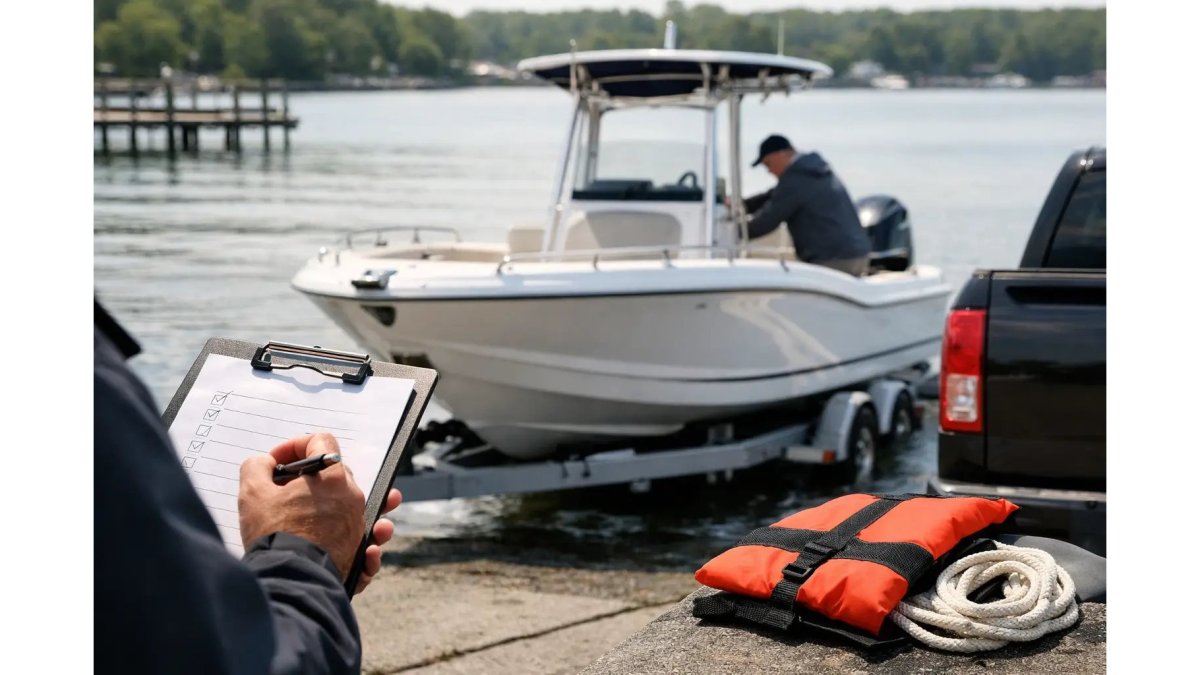
Affordable marine gear for center consoles starts with safety, lighting, and corrosion protection. Compare real prices and find gear that fits your layout.