
Is Marine Supply Pricing Transparent? A Buyer’s Guide
Marine supply pricing is transparent only when you check the full cost. Our Florida veteran’s checklist shows how to compare the full cost before you buy.
Use code SAVE25 for 25% off!
Discount may not be used for Weems and Path products Dismiss

A perfect Florida boating day can quickly get expensive when a corroded battery terminal, failed bilge pump, or sun-baked dock line lets you down. The right Florida boating supplies are not about filling every locker with gear. They are about carrying dependable equipment that suits your boat, your waters, and the way you actually spend time aboard.
Florida asks more of marine equipment than many places do. Saltwater reaches places you cannot see, summer heat punishes plastics and adhesives, afternoon storms arrive quickly, and long distances between ramps, marinas, and inlets leave little room for poor preparation. Buying with those conditions in mind helps protect your passengers, your boat, and your time on the water.
A center console that runs offshore from Jupiter needs a different setup than a pontoon used on a freshwater lake near Orlando. A flats skiff fishing mangroves has different priorities than a cruiser kept in a Gulf Coast marina. The best purchase is rarely the most expensive one. It is the one built for the job and maintained well enough to work when needed.
For saltwater boaters, corrosion resistance should guide almost every choice. Look for marine-grade tinned copper wire, heat-shrink connectors, stainless hardware suited to the marine environment, and components with sealed housings. Even then, “stainless” is not a lifetime guarantee. Rinsing, inspecting, and treating hardware remain part of ownership.
Heat and ultraviolet exposure deserve equal attention. The Florida sun degrades vinyl, life jackets, dock lines, coolers, electronics covers, and sealants faster. A low-cost item that cracks after one season isn’t a bargain if you have to replace it before the next spring launch.
Safety gear is the category where buying by price alone can create the worst trade-offs. Every boat should carry Coast Guard-required equipment appropriate to its size and use, but practical readiness goes beyond the minimum. Make sure your gear is accessible, current, and familiar to everyone who rides with you.
Life jackets should fit everyone who comes aboard, including children and occasional guests. Store them dry and within reach, not compressed under a pile of beach gear. An inflatable vest can be comfortable for regular anglers and captains, but it needs inspection and servicing. A standard foam vest may be the wiser choice for children, weak swimmers, and watersports passengers.
Visual distress signals, fire extinguishers, a sound-producing device, navigation lights, and a first-aid kit all deserve routine checks. Expiration dates matter. So do batteries. Before leaving the dock, test lights and verify that the fire extinguisher gauge is in range. It takes minutes and can prevent a ruined day or a serious emergency.
For coastal trips, add a reliable VHF radio and keep a charged handheld unit as a backup if your boat has the room and budget. A cell phone is useful, but coverage can fade offshore, batteries can die, and wet hands don’t always cooperate with touchscreens. Communication redundancy is good seamanship, not overkill.
Most breakdowns are not dramatic engine failures. They are ordinary issues that have been ignored long enough to stop a boat: a loose connection, contaminated fuel, a weak battery, a worn impeller, or a blocked bilge pump.
Keep a compact onboard maintenance kit with tools and supplies suited to your boat’s systems. This usually means a basic socket and screwdriver set, marine electrical tape, spare fuses, cable ties, hose clamps, a multi-tool, corrosion inhibitor, and absorbent pads. Add manufacturer-recommended engine oil and, when practical, a spare drain plug. The goal is not to turn the cockpit into a repair shop. It is to solve small problems before they strand you.
Electrical care earns special attention in Florida. Inspect battery terminals for corrosion, confirm battery straps are secure, and check that your bilge pump operates both automatically and manually. If your boat lives in the water, that pump is one of the most important pieces of equipment aboard. Replace questionable float switches and cracked hoses before storm season, not after a heavy rain exposes the problem.
Fuel treatment is another area where prevention is cheaper than repair. Ethanol-blended gasoline can attract moisture and create trouble in boats that sit for long periods. Use fresh fuel, follow your engine maker’s guidance, and maintain water-separating fuel filters. If you are unsure about a fuel issue, a qualified marine technician is worth the call. Guessing can turn a minor problem into injector, carburetor, or fuel-system work.
People often treat dock lines and fenders as afterthoughts until a windy afternoon proves otherwise. Choose lines sized for your boat and long enough to rig proper spring lines when needed. In Florida’s tidal areas, leave enough adjustment for changing water levels. Chafe protection is a smart addition wherever a line crosses a rough cleat, piling, or rub rail.
Fender size depends on the boat’s freeboard and the dock setup. Small fenders may be easy to store, but they offer limited protection for a heavier boat against fixed pilings. Keep them properly inflated and inspect the attachment points. A fender is only useful if it stays between the boat and the structure.
Anchoring deserves the same honest assessment. Sand, grass, mud, current, wind, and boat size all affect holding power. Carry an anchor suited to your typical bottom conditions, enough rode for the depth you run, and, where appropriate, a properly sized chain section. A compact sandbar anchor can be convenient for a shallow-water stop, but it is not a substitute for a primary anchor when weather changes or you need to hold position.
Anglers benefit from supplies that reduce friction during a busy day: corrosion-resistant rod holders, a well-insulated cooler, dry tackle storage, landing nets, washdown accessories, and a way to organize leaders and tools. Prioritize items that make fish handling safer and cleanup easier over gadgets that duplicate a job you already have covered.
Families and cruising boaters may value shade, non-skid deck mats, dry bags, drink holders, boarding ladders, and reliable coolers more. If you tow watersports gear, inspect the tow line, attachment point, and life jackets before every outing. A comfortable boat gets used more, but convenience should never block access to safety equipment or create tripping hazards.
Electronics should match your normal routes. A chartplotter and fishfinder can be a major advantage, especially around changing channels, shallow flats, and unfamiliar inlets. Still, electronics need a clean power supply, protected wiring, updated charts, and a backup plan. Carry paper charts or route notes for longer runs, and do not let a bright screen replace situational awareness.
Shopping carefully is not wrong. Boating is expensive enough without paying extra for a name on the box. But weigh price against service life, warranty support, installation requirements, and the consequences of failure.
Saving money on a cockpit accessory may make sense. Saving money on a bilge pump, battery cable, safety signal, or fuel-system component can be a different calculation. Read product specifications, compare materials, and ask whether the product is designed for a marine environment rather than simply usable near water.
At Boatsmans, that practical standard matters: dependable gear, fair value, and advice grounded in real time on the water. A trusted marine supplier should help you distinguish between equipment you truly need and equipment that only looks useful on a shelf.
The easiest way to manage supplies is not a once-a-year shopping spree. Check the boat after each trip. Rinse salt off exposed gear, empty trash and wet storage compartments, top off consumables, and note anything that needs repair. Before a planned offshore run or holiday weekend, do a more deliberate inspection of safety gear, fuel, batteries, weather tools, dock lines, and anchor equipment.
Florida boating rewards preparation because conditions can change quickly. Build your supply list around the trips you make most often, invest where failure carries real consequences, and replace worn gear before it becomes a dockside lesson. That leaves more of your day for the reason you bought the boat in the first place: getting out on the water with confidence.
Safe Boating,
William B.
Marine supply pricing is transparent only when you check the full cost. Our Florida veteran’s checklist shows how to compare the full cost before you buy.
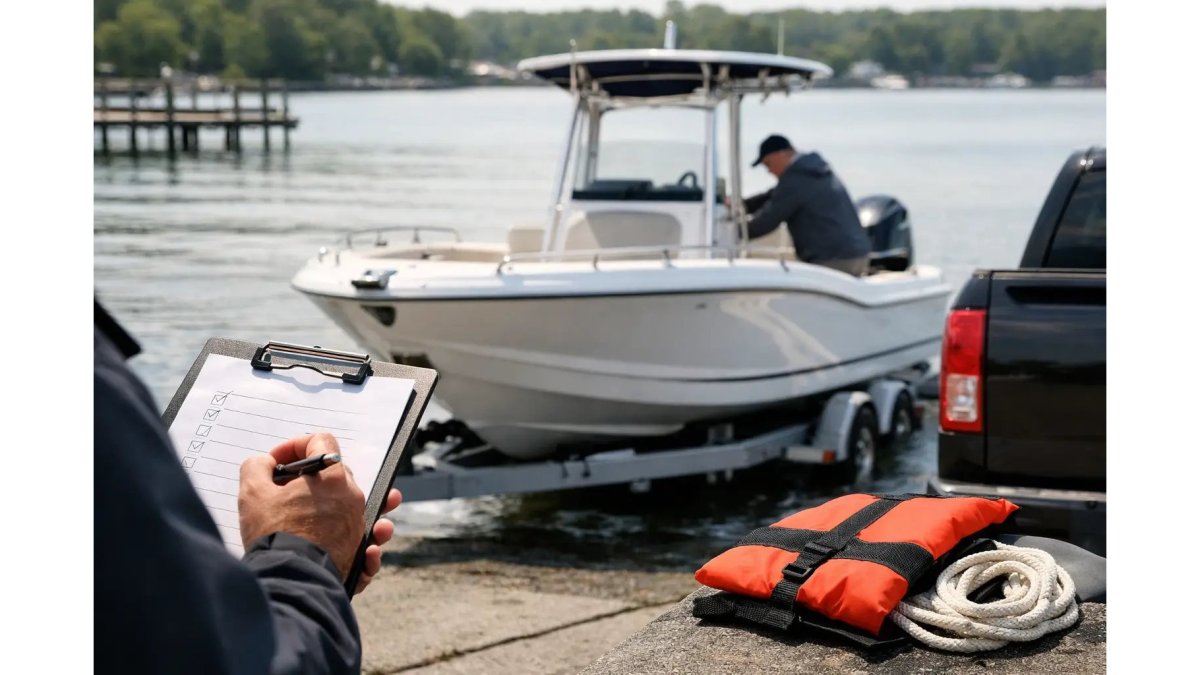
Affordable marine gear for center consoles starts with safety, lighting, and corrosion protection. Compare real prices and find gear that fits your layout.