
Is Marine Supply Pricing Transparent? A Buyer’s Guide
Marine supply pricing is transparent only when you check the full cost. Our Florida veteran’s checklist shows how to compare the full cost before you buy.
Use code SAVE25 for 25% off!
Discount may not be used for Weems and Path products Dismiss

A calm anchorage can turn uncomfortable fast when the boat starts sliding backward. Whether you are stopping for lunch on a Gulf sandbar, fishing a channel edge, or spending the night in a protected cove, boat anchors need to match your boat, bottom conditions, and the weather you may face later – not just the conditions when you drop them.
The right anchor is not necessarily the heaviest one on the shelf. Holding power comes from a combination of anchor design, correct sizing, enough rode, and a proper set. Get any one of those wrong, and even a quality anchor can drag.
Anchor manufacturers publish size recommendations based on boat length, often with a separate range for protected, moderate, and severe conditions. Use those charts as a starting point, then adjust honestly for your boat. A high-sided center console, cabin cruiser, or pontoon catches more wind than a low-profile skiff of the same length. Added gear, cruising load, strong tidal current, and a forecast that may change overnight all justify moving up a size.
For many Florida boaters, bottom type matters just as much as boat length. Sand is common around beaches and sandbars, soft mud shows up in creeks and backwaters, and grassy flats demand extra care. An anchor that bites quickly in clean sand may struggle in thick mud or skip across a grassy bottom. In seagrass areas, avoid damaging the bottom whenever possible. Use designated mooring options where available, choose bare sand patches, and retrieve the anchor carefully rather than powering it free.
Current also changes the equation. In tidal passes, inlets, and rivers, the boat may lie to current instead of wind. That is normal, but it means the anchor must resist forces as directions change. If wind and tide oppose each other, the boat can swing sharply as conditions shift. Leave adequate room from nearby vessels, docks, shorelines, and shallow water before you drop anchor.
No single anchor is best for every boat and every bottom. Most recreational boaters choose a primary anchor suited to their usual waters, then carry a second anchor or alternative setup for special situations.
A practical setup often includes a dependable primary anchor with a properly sized rode, plus a secondary anchor to hold the stern, create a controlled angle in current, or provide backup if the first anchor cannot set. Use a stern anchor thoughtfully. In open water or rough conditions, stern anchoring can expose the boat to following seas and waves. It is generally better reserved for calm, protected conditions.
A larger anchor can offer more holding power, but it can’t compensate for an undersized or poorly rigged rode. The rode is the complete connection between boat and anchor: chain, rope, shackles, thimble, and any swivel or connector used in the system.
Chain is especially valuable because its weight helps keep the pull on the anchor low and close to horizontal. That low-angle pull helps keep the anchor buried instead of lifting it off the bottom. Chain also resists abrasion where the rode contacts sand, shell, or rough ground. For most recreational setups, a length of chain connects to nylon anchor line rather than running chain all the way to the boat.
Nylon rope remains popular because it is strong, manageable, and stretches under load. That stretch acts as a shock absorber when a boat surges in chop. Three-strand nylon is a common choice for anchor rode because it handles well and can be spliced. Inspect it regularly for chafe, stiffness, sun damage, and flattened sections. A rode that looks fine from the deck may be worn near the anchor connection or where it passes through a bow chock.
Use galvanized or stainless components appropriate for the application, and make sure shackle pins are secured properly. A seized pin or a simple tie-wire safeguard can prevent a shackle from working loose over time. Just as important, rig the anchor so you can recover it. A retrieval line or trip line can help when anchoring near debris or structure, but manage it carefully so it doesn’t foul the propeller or drift into another boat’s path.
Scope is the ratio of rode deployed to the vertical distance from the bow cleat to the bottom. If the water is 10 feet deep and the bow roller is 4 feet above the water, the working depth is about 14 feet. At 5:1 scope, you would deploy roughly 70 feet of rode. Be extremely mindful of your “Swing Circle.”
For a lunch stop in calm, protected water, 5:1 may be workable if the anchor is set well. For an overnight stay, stronger wind, current, or chop, 7:1 is a more conservative target. More scope generally improves holding because it reduces the anchor’s upward pull. The trade-off is swing room. In a crowded anchorage, you cannot safely let out extra rode without considering every boat around you.
Do not guess at rode length. Mark it at regular intervals with colored markers, tags, or paint so you can deploy the amount you intend. A windlass counter can help, but physical marks remain useful confirmation. If your boat has an anchor locker, keep the rode organized so it runs freely, without knots or buried gear stopping deployment when you need it most.
Good anchoring starts before the anchor touches bottom. Check the chart, depth, tide, weather trend, and room to swing. Look for cables, restricted areas, channels, and other hazards. In Florida, pay particular attention to afternoon thunderstorms, rapidly building wind, and tidal changes that can leave a boat much closer to shoal water than it appeared on arrival.
Approach your chosen spot slowly, stop the boat, and lower the anchor under control. Do not throw it. Tossing an anchor can foul the rode or land it on top of a pile of line, preventing a clean set. Let the boat drift or ease backward while paying out rode, then gently apply reverse power to dig the anchor in.
Once you feel the anchor bite, gradually increase reverse pressure. Watch fixed references on shore, use your GPS anchor alarm, and confirm the boat isn’t moving. A quick glance is not enough. Give it several minutes, especially if current is changing. If the anchor drags, retrieve it fully, clear mud or grass from the flukes, and try again in a different spot rather than simply dropping more line on top of a poor set.
Secure the rode to a proper bow cleat using a reliable cleat hitch. Do not leave the strain on a windlass. A windlass is designed to raise and lower ground tackle, not serve as the permanent load-bearing point while at anchor. Use a snubber or bridle where appropriate to transfer load to strong deck hardware and reduce shock loads.
Anchor gear deserves the same pre-trip attention as life jackets, VHF radios, and navigation equipment. Keep a sharp utility knife accessible in case a line becomes dangerously fouled, but never cut a rode casually. An anchor buoy can mark your position or support certain retrieval methods, while gloves protect hands from wet line, shell, and sharp hardware.
A well-equipped boat also has a backup plan. Carrying a secondary anchor, spare line, and a few correctly sized shackles can prevent a minor failure from ending the day. If you use an anchor light overnight, test it before dusk and confirm your battery system can support it.
Boatsmans carries anchor, rode, chain, docking, and onboard safety gear selected for the practical demands of recreational boating. Choose components as a system, inspect them often, and practice setting your anchor before you need it in wind, current, or fading light.
A good anchor setup rarely draws attention when everything is calm. Its value becomes clear when the tide turns, the breeze stiffens, and your boat stays exactly where you put it.
Safe boating,
William B.
Marine supply pricing is transparent only when you check the full cost. Our Florida veteran’s checklist shows how to compare the full cost before you buy.
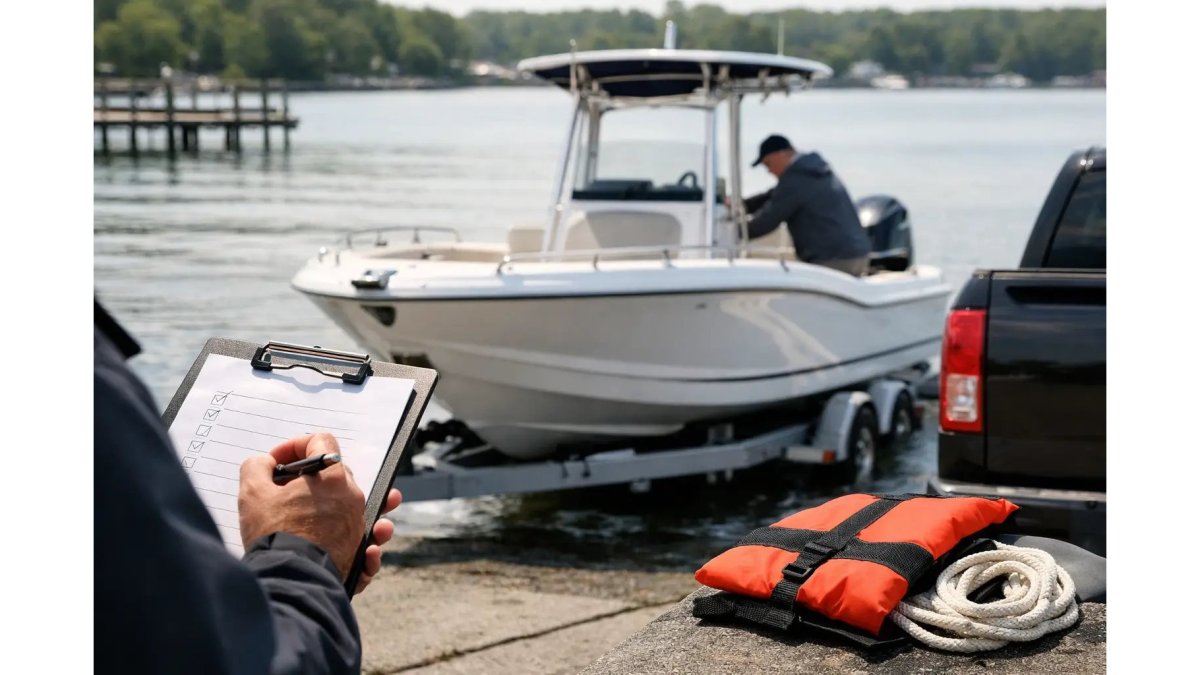
Affordable marine gear for center consoles starts with safety, lighting, and corrosion protection. Compare real prices and find gear that fits your layout.